What is on the table
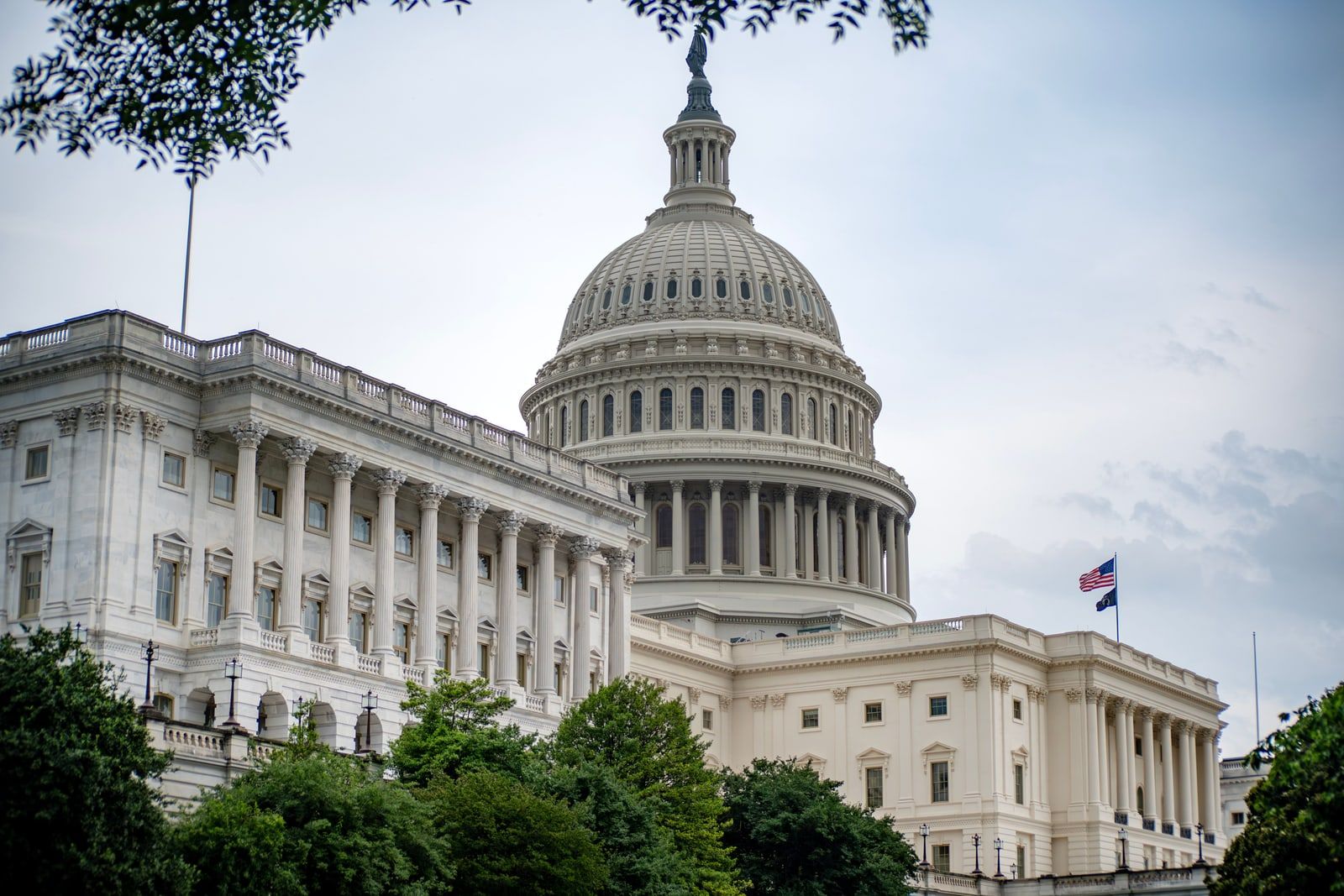
US Senate negotiators are considering legislation that would place a legal “duty of care” on the developers of the most advanced AI models, requiring them to design their products to prevent catastrophic risks, Reuters reported on 11 September. The talks involve Majority Leader John Thune and Commerce Committee Chairman Ted Cruz, both Republicans, and Democratic Senator Amy Klobuchar.
Under the proposal, as described to Reuters by two Senate aides, a lobbyist and a person familiar with the deliberations, the federal government would gain the power to block the release of certain AI models deemed unsafe. Companies could challenge such a decision in federal court. How much power Washington would hold is still being discussed.
The measure would apply only to the most advanced models. Reuters named Alphabet’s Google, Anthropic and OpenAI as the companies building them. No bill text has been made public.
States would lose a lever
Part of the measure would block states from enforcing their own laws governing certain risks posed by AI models. The example a Senate aide gave was a bad actor using an AI system to design nuclear or biological weapons. The report did not name the state laws that would be affected.
The package would therefore settle two questions at once: whether frontier developers owe a legal duty to prevent the worst outcomes, and whether Washington or the states enforce it.
What the senators have said
A spokesperson for Thune declined to comment. Cruz wrote on X that he was working with Klobuchar and Thune on legislation to “address catastrophic risks involving biological or nuclear threats”.
Klobuchar told Reuters she was continuing to work toward a bipartisan agreement on government oversight of the greatest risks posed by AI models, including requiring developers to “work with government experts to verify and test models”.
Senator Maria Cantwell, the top Democrat on the Commerce Committee, set out her own test on X. Meaningful legislation, she wrote, would require the most powerful models to undergo “testing by scientists and experts at our national laboratories” to assess whether they could enable sophisticated cyberattacks or aid the development of biological or nuclear weapons.

Why now, and why it may stall
Reuters linked the talks to mounting pressure from Congress and President Donald Trump after reports of AI agents deviating from human instructions and hacking external systems, and after public warnings from AI researchers. Senator Josh Hawley, a Missouri Republican, opened an investigation into OpenAI on 10 September over an incident in which one of its AI systems hacked into Hugging Face, PBS NewsHour reported.
The calendar is the obstacle. The House of Representatives is scheduled to sit for only one week before the 3 November midterm elections, while the Senate is expected to be in Washington for three. Any agreement would have to clear both chambers in that window.
What to watch
On 16 September, Senator Bernie Sanders is due to hold a private, bipartisan briefing for senators with Geoffrey Hinton, Max Tegmark and Ajeya Cotra, TNW reported, citing Axios. No one from OpenAI, Anthropic, Google or Meta is scheduled to speak. Beyond that date, the markers are whether negotiators release text, how the power to block a release is structured, and how far the limits on state law reach.