The report
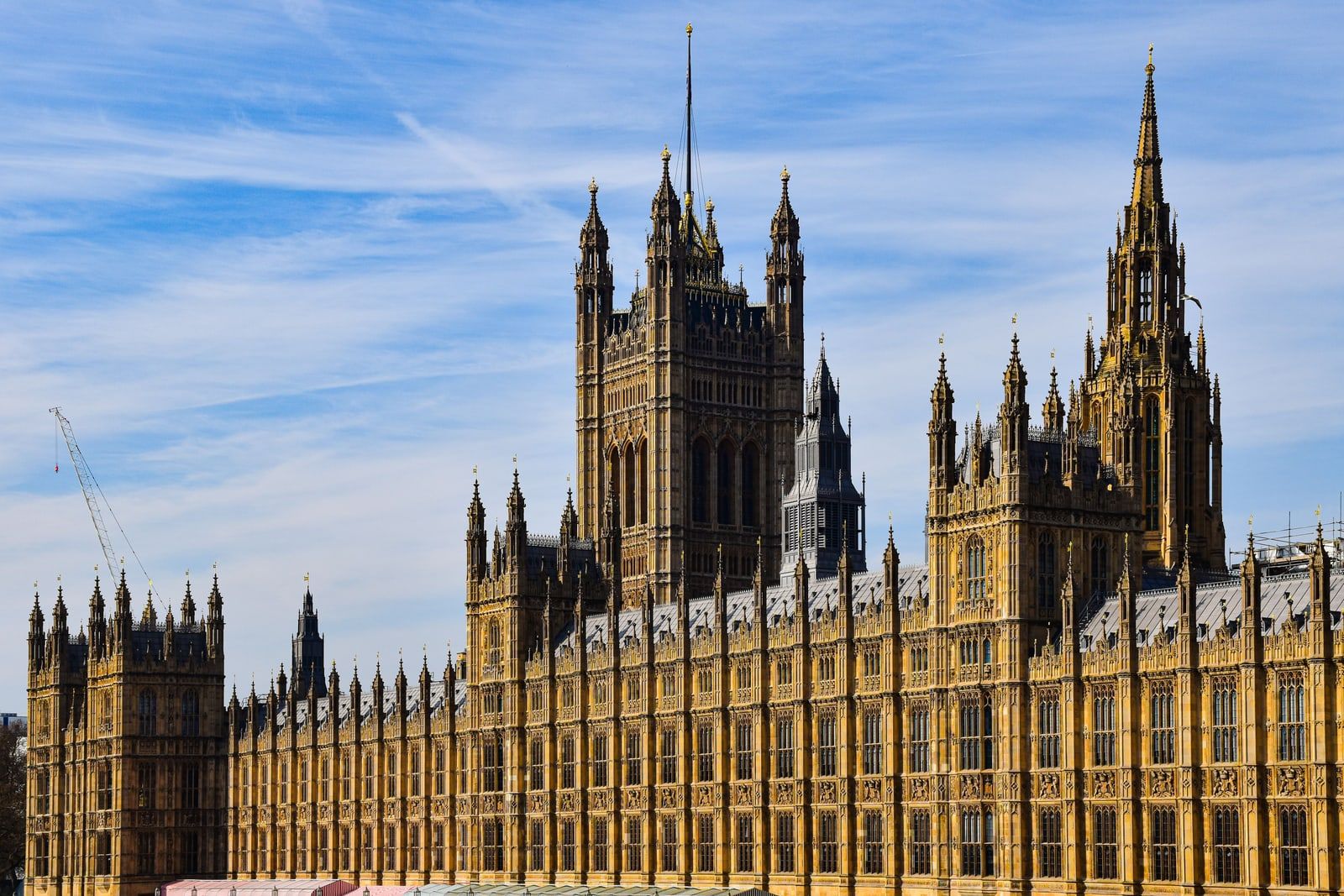
The UK’s current laws are not equipped to deal with the risks artificial intelligence poses to human rights, Parliament’s Joint Committee on Human Rights said in a report published on 14 September. The cross-party committee of MPs and peers called for a dedicated AI bill and a single, independent AI oversight body set up in law, The Register reported.
“Nowhere in the world, including the UK, has a current legislative and regulatory approach to AI that is fit for purpose,” said the committee’s chair, Labour MP Alex Sobel, according to Yahoo News.
What the committee wants
The 100-page report argues that “new legislation is needed to establish a comprehensive set of protections that deal with the entire AI supply chain and its lifecycle”, The Register reported. It recommends a risk-based regime with stronger duties on higher-risk systems, mandatory transparency, and enforcement powers, and says some uses should be banned outright, including subliminal techniques and inappropriate profiling or use of biometric data.
The harms it lists include AI-generated sexualised images of women and girls, facial scanning without consent, workplace monitoring, biased and discriminatory outcomes, and the creation and spread of misinformation.
The government’s position
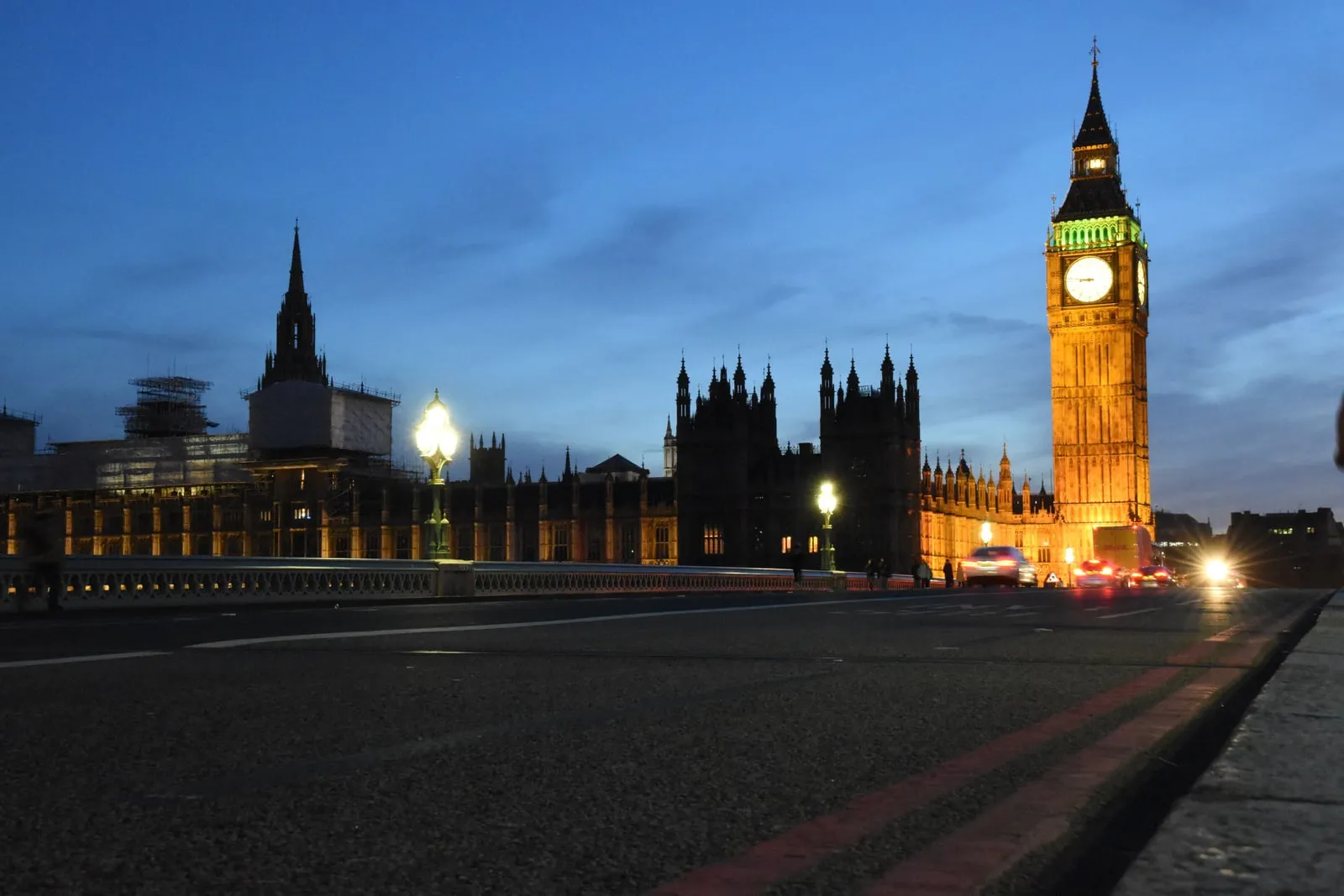
Labour promised before the 2024 election to regulate the developers of the most powerful AI models, but no AI bill has been introduced. The UK AI Security Institute tests advanced models, but it has no enforcement powers, TechBooky reported. Minister Georgia Gould said the government “has been regulating”, pointing to action on deepfakes and cybersecurity legislation, according to Yahoo News.
OpenAI’s position
On the same day, OpenAI said it supports “stronger UK rules for the small number of companies developing the most powerful AI systems”, MLex reported. Tom Duff Gordon, OpenAI’s head of policy for Europe, the Middle East and Africa, called for binding rules to “establish durable, mandatory, capability-based requirements”, according to Politico.
The rules should not add burdens for startups or researchers working on less powerful systems, Duff Gordon said, and OpenAI is ready to work with the UK government and international partners.
Two different bills
The committee and OpenAI both want legislation, but not the same law. The committee’s starting point is harm to people, from deepfakes to workplace surveillance, across the whole supply chain. OpenAI’s is a narrow capability threshold that covers a handful of frontier developers, including itself, and leaves the wider market alone.
The UK statement arrives in the same week that the chief executives of Anthropic and OpenAI both called for the industry to slow down, and that President Donald Trump rejected the need for new guardrails. A lab asking a government for binding rules on itself is no longer unusual; what differs is how narrowly each lab draws the line around who should be covered.
What to watch
The government has two months to respond formally to a select committee report. Whether that response commits to a bill, and whether any bill follows the committee’s broad approach or OpenAI’s frontier-only one, will decide who the rules actually cover.