What was announced
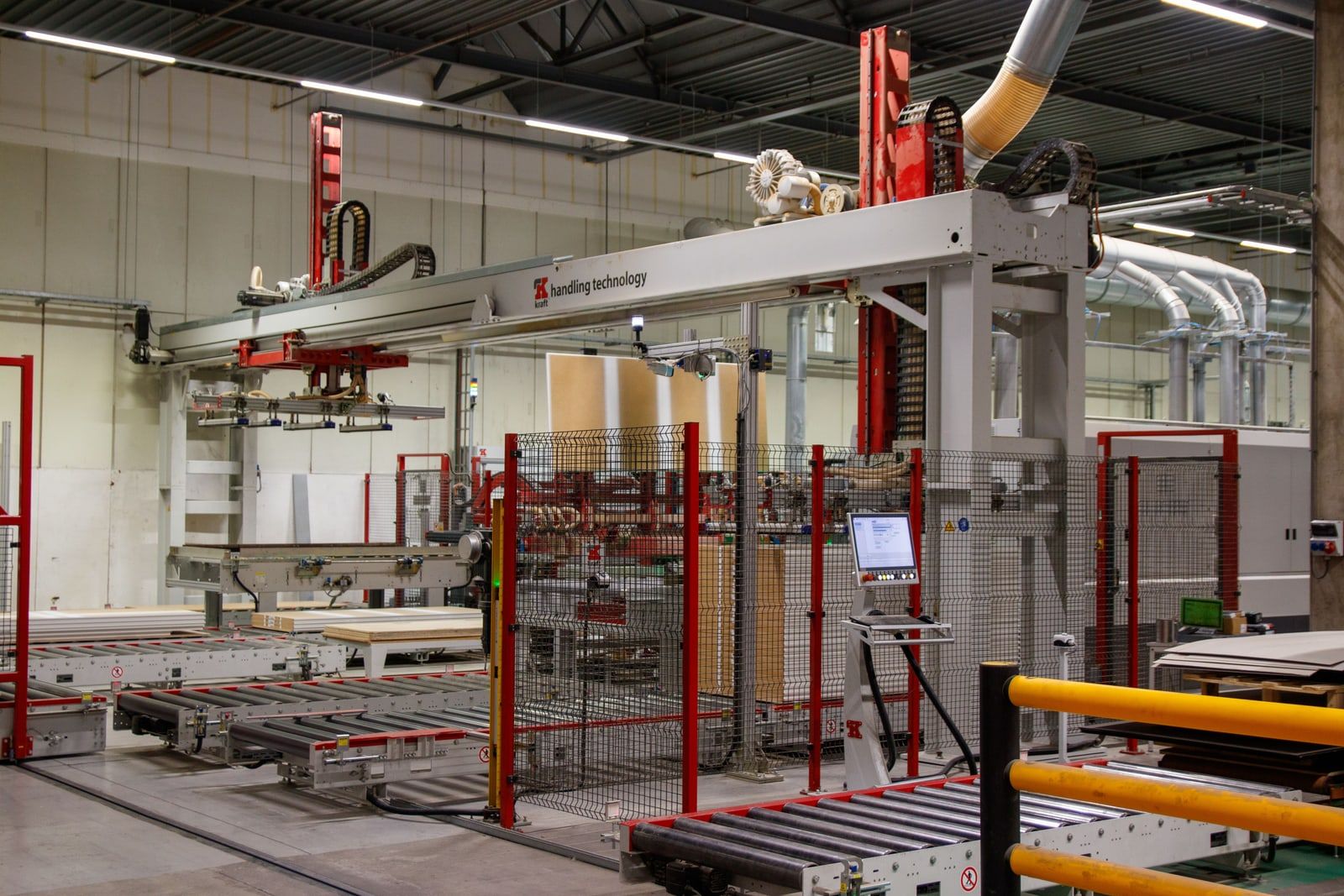
Siemens and Nvidia have published the first results of the manufacturing partnership they announced at CES in January, developed and tested in live production at Siemens’ electronics plant in Erlangen, Germany. The announcement, dated 19 October and timed to Nvidia’s GTC conference in Berlin, puts numbers on two applications.
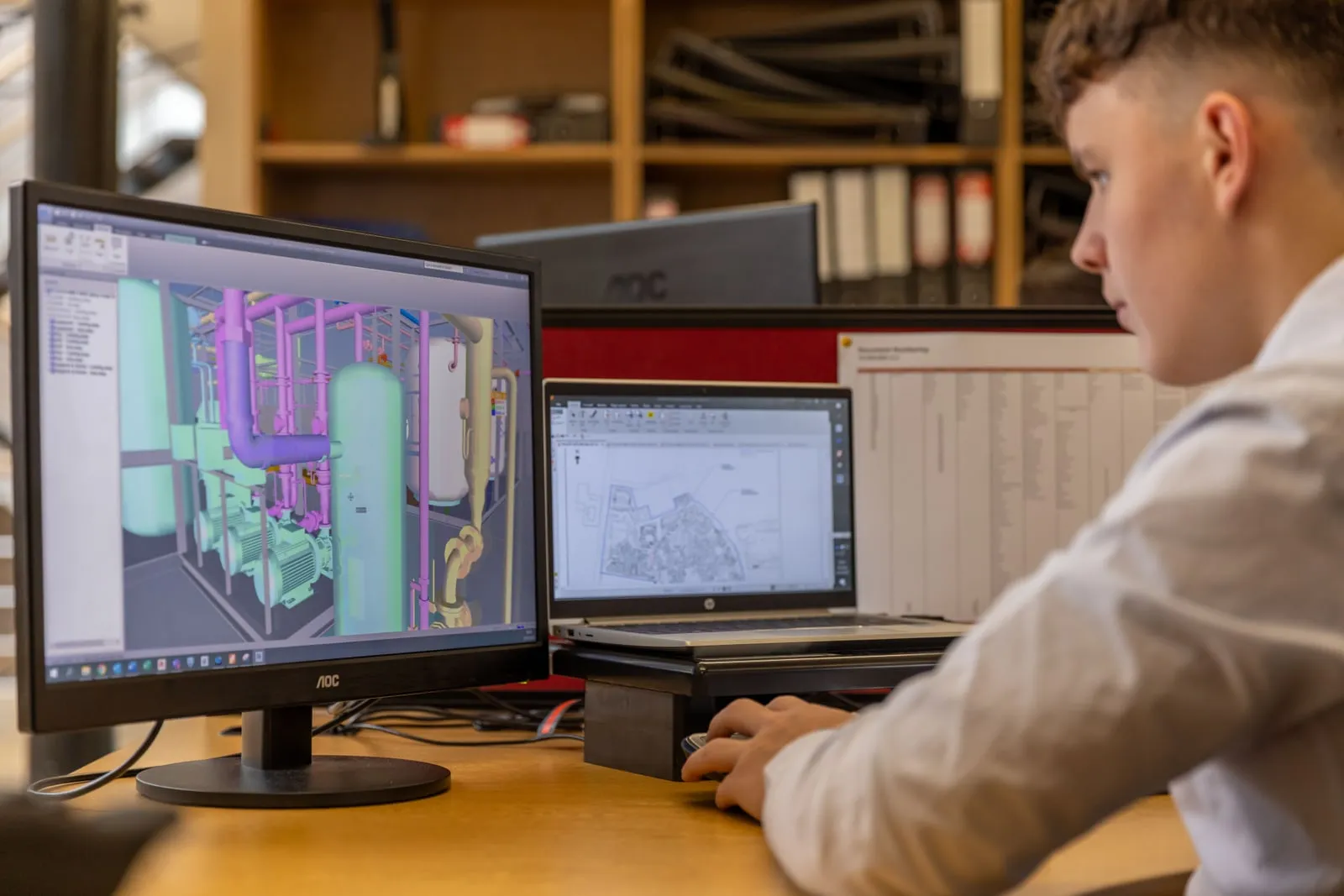
The first is production planning. When new orders arrive, an agent built with Nvidia’s Factory Operations Blueprint generates production scenarios automatically and shows planners the consequences of each against defined performance indicators — available materials, line capacity, delivery commitments, and the time and cost of switching between products. Proposals are validated in a digital twin of the full facility before anything is implemented. Siemens puts the saving at “up to 20 percent” on end-to-end agent-based production planning.
The inspection number
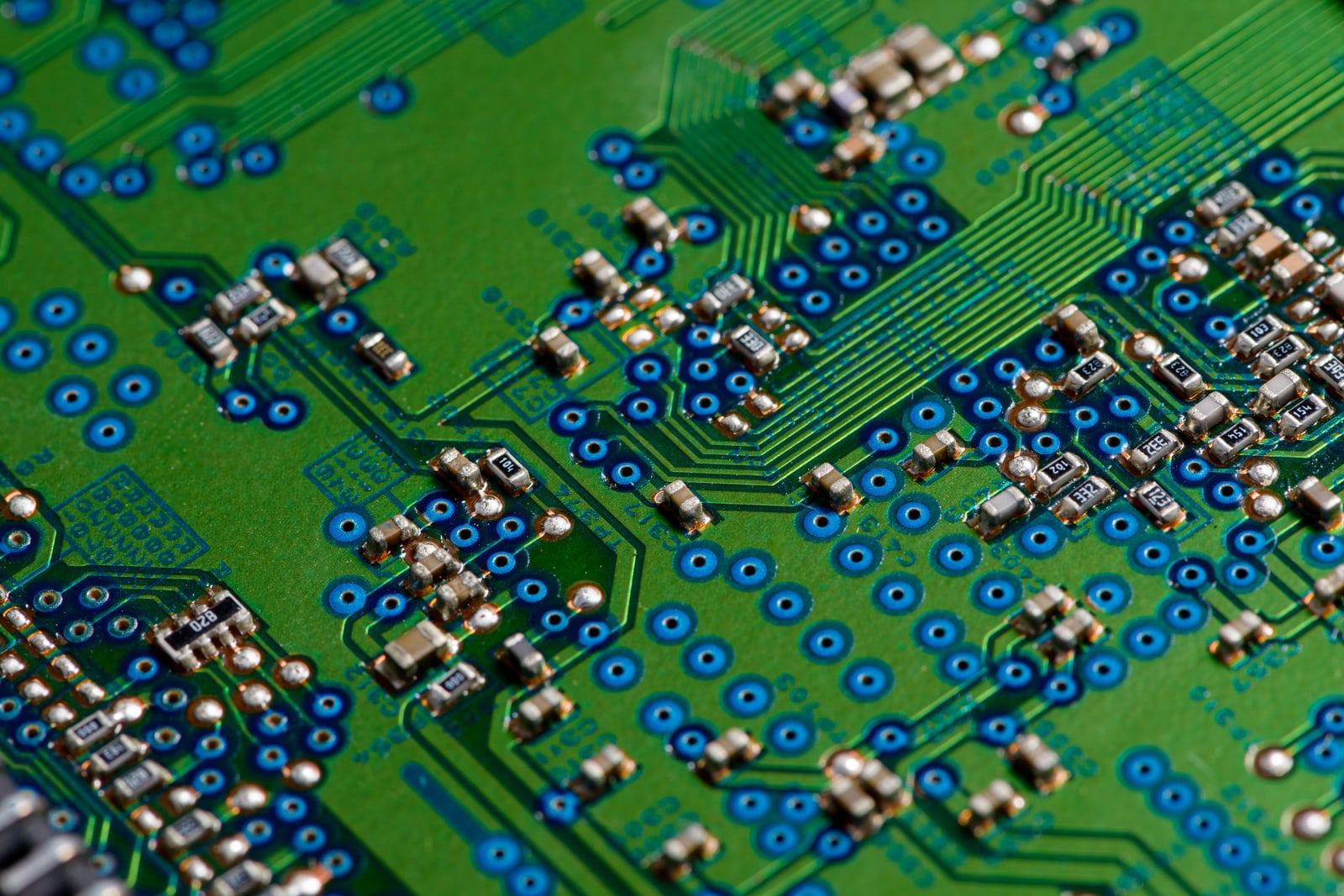
The second application is the more concrete one. Preparing an optical inspection system for a new printed circuit board assembly has historically required a physical prototype: engineers trained the quality-checking system on a board that existed, which Siemens says could take several weeks.
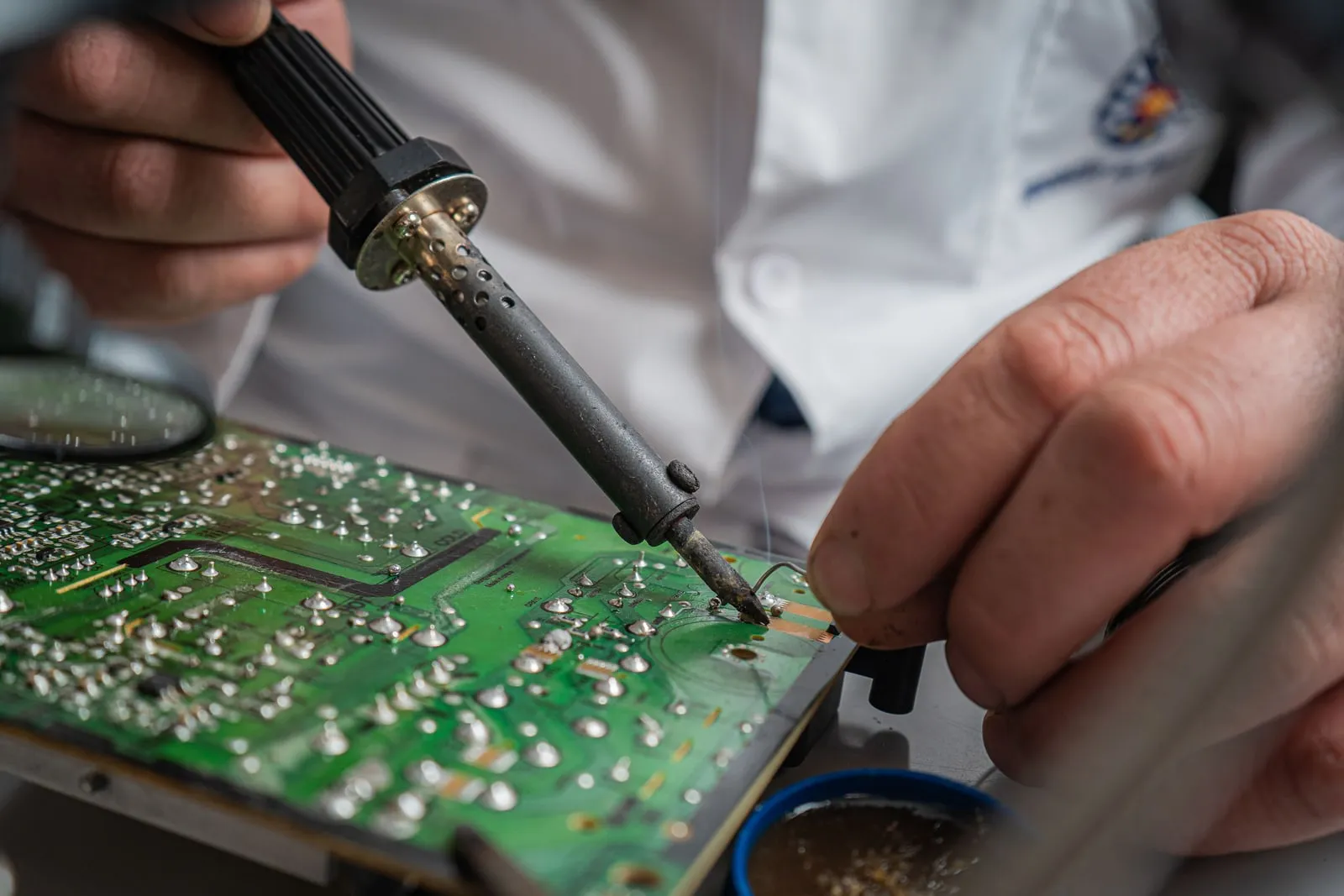
Siemens’ Teamcenter and Process Preparation X now work with Nvidia’s Cosmos world models to generate photorealistic images of good and defective boards from the digital twin, so the inspection program can be built before any board is made. Siemens says virtual production preparation can cut engineering effort by “up to 85 percent” and time-to-market by “up to 40 percent” for new assemblies.
Every figure has a ceiling on it
All three of those numbers are Siemens’ own, and all three are maxima rather than measurements. The release does not say what the typical reduction was across the boards the team actually prepared, how many assemblies the trial covered, or over what period.
One number in the release is not hedged: Siemens reports a 7 percent annual productivity increase at the Erlangen plant. It is presented as a fact about the site rather than as a result of this work, and the release does not connect the two. The plant opened in 1971, employs about 1,000 people, receives roughly 3,000 customer visits a year and already runs more than 100 AI algorithms across production, logistics, quality inspection and maintenance. Siemens is putting about €500 million into the site through 2030.
Who approves
The release is explicit that a human stays in the loop on the planning side. Nvidia’s own GTC Berlin write-up adds the detail: planners receive the scenarios and their trade-offs, a production controller reviews and approves the plan, and only then does the agent apply permitted changes through the connected planning system. The agent proposes; it does not commit.
What the two sides said
Cedrik Neike, a member of Siemens’ managing board and president of Digital Industries, framed the work as “bringing artificial intelligence out of the data centers and into the factories”, adding that at Erlangen “the future of industry is not just discussed; it is becoming reality today”.
Rev Lebaredian, Nvidia’s vice president for physical AI simulation, put the pitch more narrowly: “Factories need to handle change as well as they handle repetition.” He said the two companies are “building a blueprint for autonomous factories everywhere”.
What to watch
Siemens says the joint team produced its first AI offerings in under ten months, which is fast for industrial software. The useful test is whether either application leaves Erlangen. Siemens has not named a customer deployment, a general availability date or a price for the planning agent or the inspection pipeline, and no independent party has measured either. Until one does, the 85 percent is a ceiling, not a result.