What shipped
Nvidia released Isaac ROS 5.0 at ROSCon in Toronto on 22 September. Isaac ROS is a free, open-source set of GPU-accelerated packages built on the Robot Operating System, and the release moves it to ROS 2 Lyrical on Ubuntu 24.04. Nvidia also contributed a new standard data-handling interface to ROS 2 Lyrical for efficient hardware acceleration across GPUs.
The substantive additions are what Nvidia calls Isaac skills: reusable units covering setup, manipulation and fine-tuning. FoundationStereo is a skill for adapting stereo perception models to a particular camera and environment. FoundationPose is now an inference library that Nvidia says tracks object positions up to 5.5 times faster. A pick-and-place workflow ships as a standalone skill.
Written to be read by a model
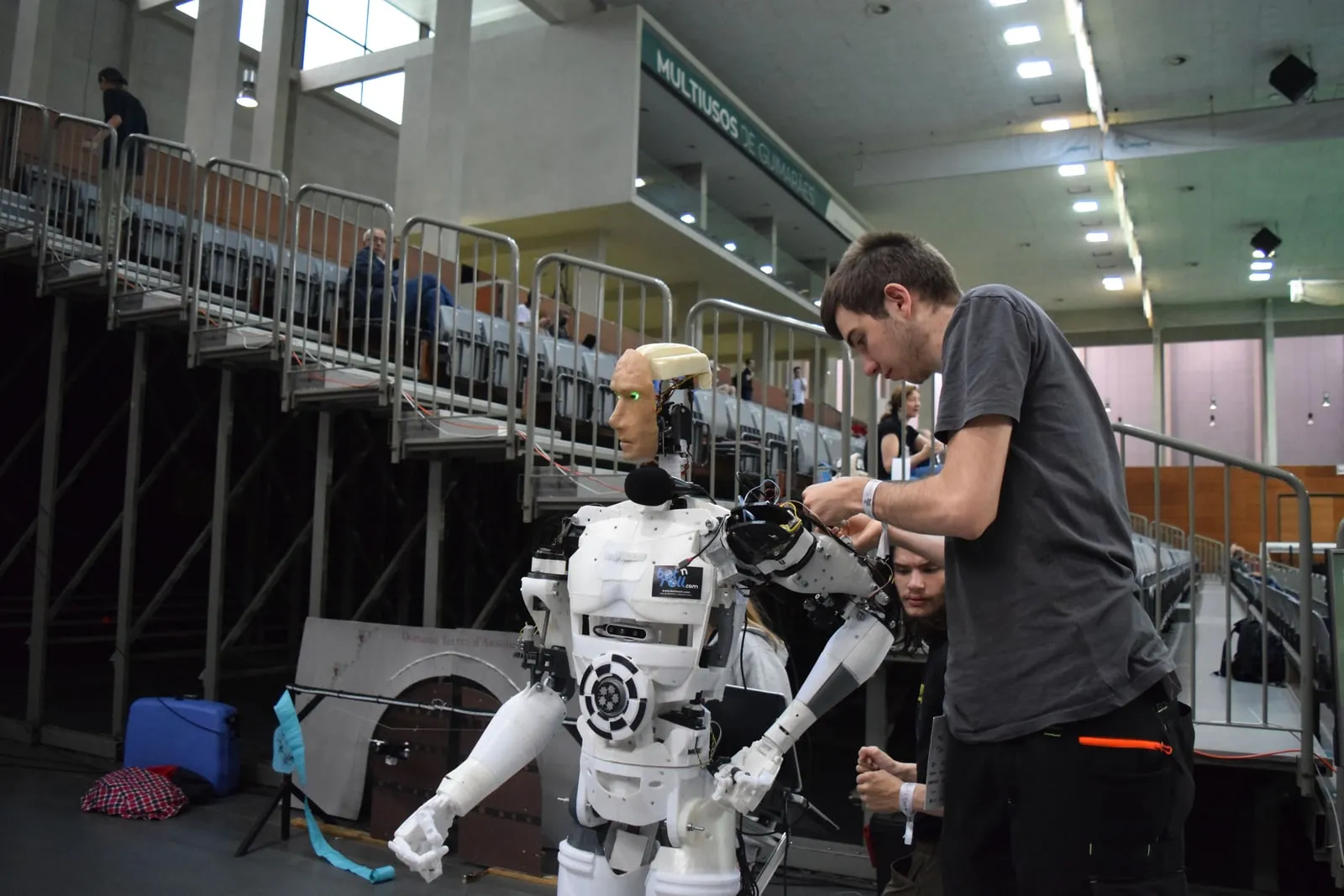
The framing is the interesting part. Nvidia describes the release as bringing agentic workflows to robotics development, and the skills and documentation are explicitly described as agent-ready — written so that a coding assistant can find and use them without a human translating.
“You can release your agents and have them do all the work of getting the scripts ready, setting up the environment,” said Katie Washabaugh, Nvidia’s product marketing manager for robotics simulation.
That is a modest claim, and it is the honest one. Nothing here makes a robot smarter. It makes the setup — environment configuration, build scripts, wiring a perception model to a specific camera — something a developer can delegate. In robotics that work is a large share of the calendar, and it is the part that keeps small teams from shipping.
Who is using it
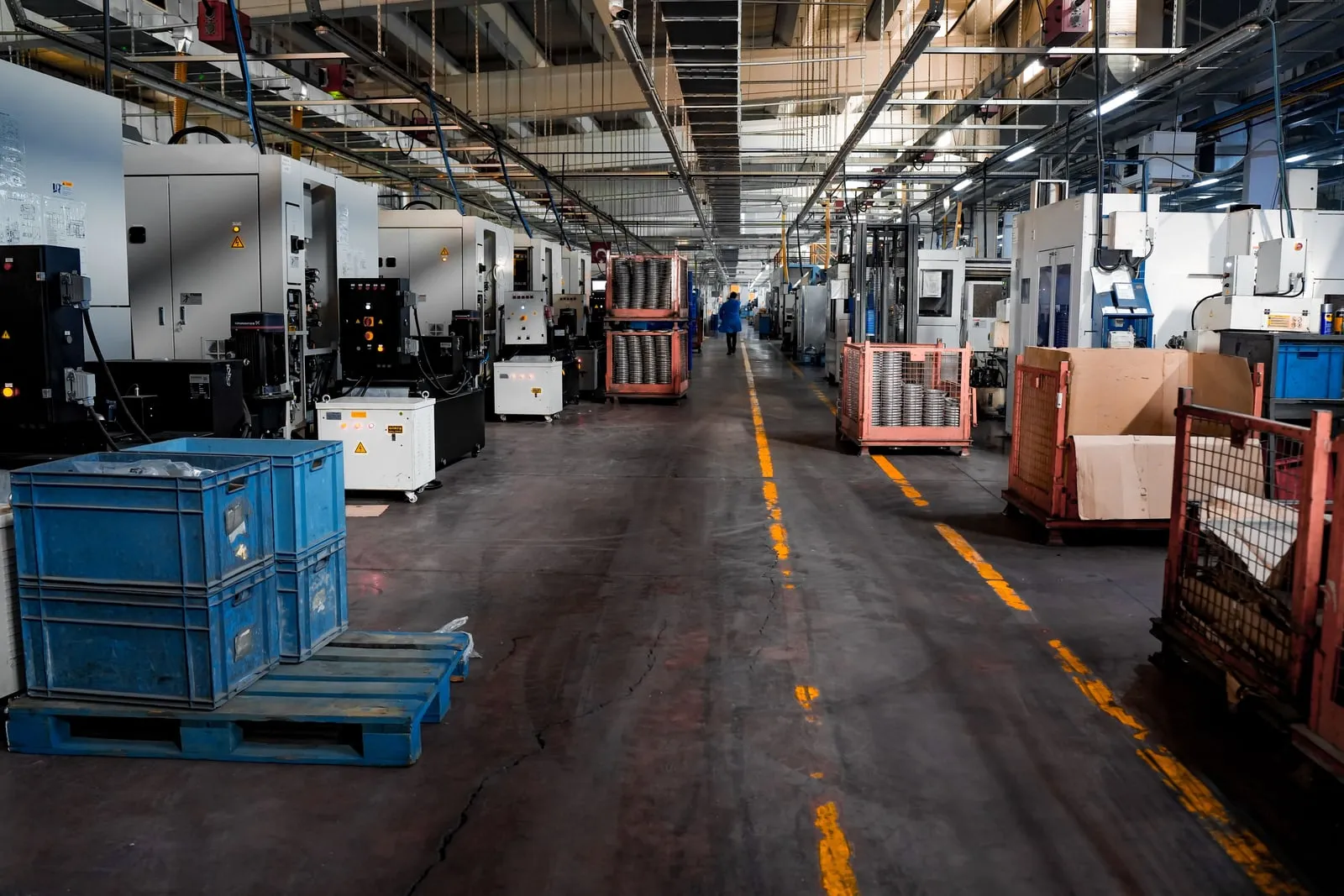
Nvidia names RealSense, Intrinsic, Flexiv, Universal Robots, ROBOTIS, Mentee Robotics, Magna and EKUMEN among those building on the release, with what the company calls a manufacturing-first focus in the ecosystem. It runs across the Jetson line, from Jetson Orin Nano to Jetson Thor, and is available on GitHub.
The timing puts it next to Intrinsic Core, which Alphabet’s robotics unit open-sourced under Apache 2.0 at the same conference. Two of the largest companies in the field released open robotics infrastructure in the same week, and Intrinsic appears on both lists.
Neither release is a product announcement in the usual sense; both are attempts to own the layer everyone else builds on. The measure of whether this one worked is not adoption of Isaac ROS, which is already widespread, but whether the agent-ready framing holds up — whether developers actually hand the setup to a model, or quietly keep doing it themselves.