What was released
Intrinsic, the robotics software company owned by Alphabet, announced Intrinsic Core at ROSCon 2026 in Toronto on Tuesday and published it under the Apache 2.0 licence. The code is on GitHub, where the repository describes it as an open, local runtime, SDK and hardware-agnostic real-time control framework for industrial robotics.
Apache 2.0 is the permissive end of the licence spectrum. It allows commercial use, modification and redistribution, including inside closed products, which means a rival integrator can build on this without asking Alphabet for anything.
What is in the box
The release is a set of ROS-compatible components rather than a single application. Intrinsic Control is a hardware-agnostic real-time control framework that adapts a robot’s trajectory mid-move from sensor feedback. Pose estimation, built on Nvidia’s FoundationPose, handles six-degree-of-freedom detection of parts. Motion planning generates collision-free paths without hand-programming joint positions, and grasp planning adapts a gripper using live sensor data.
Around those sit simulation services based on Gazebo, camera calibration, and the intrinsic-ROS drivers for supported robots, grippers and cameras. Hardware support named at launch includes Universal Robots and FANUC.
The machine-shop argument
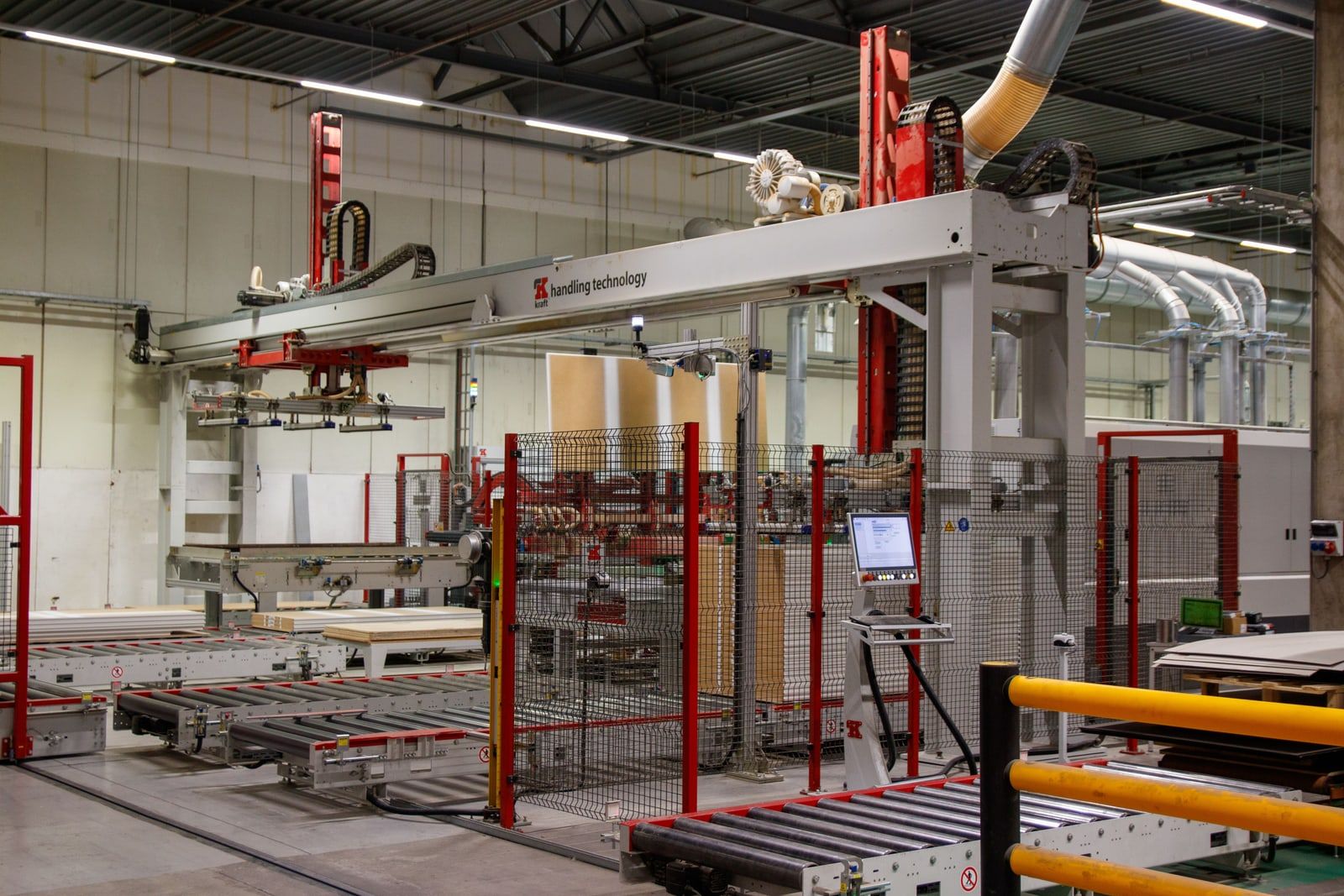
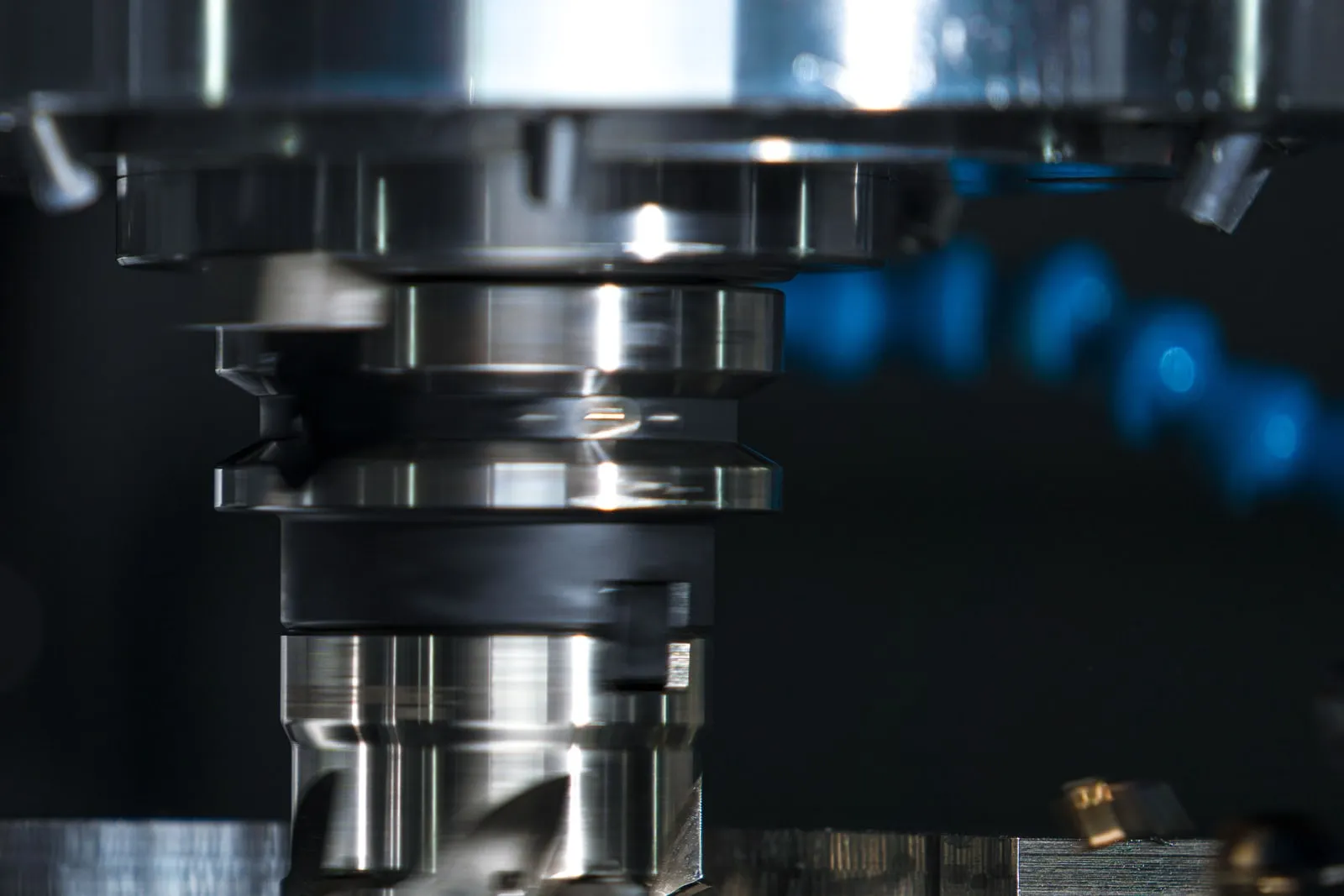
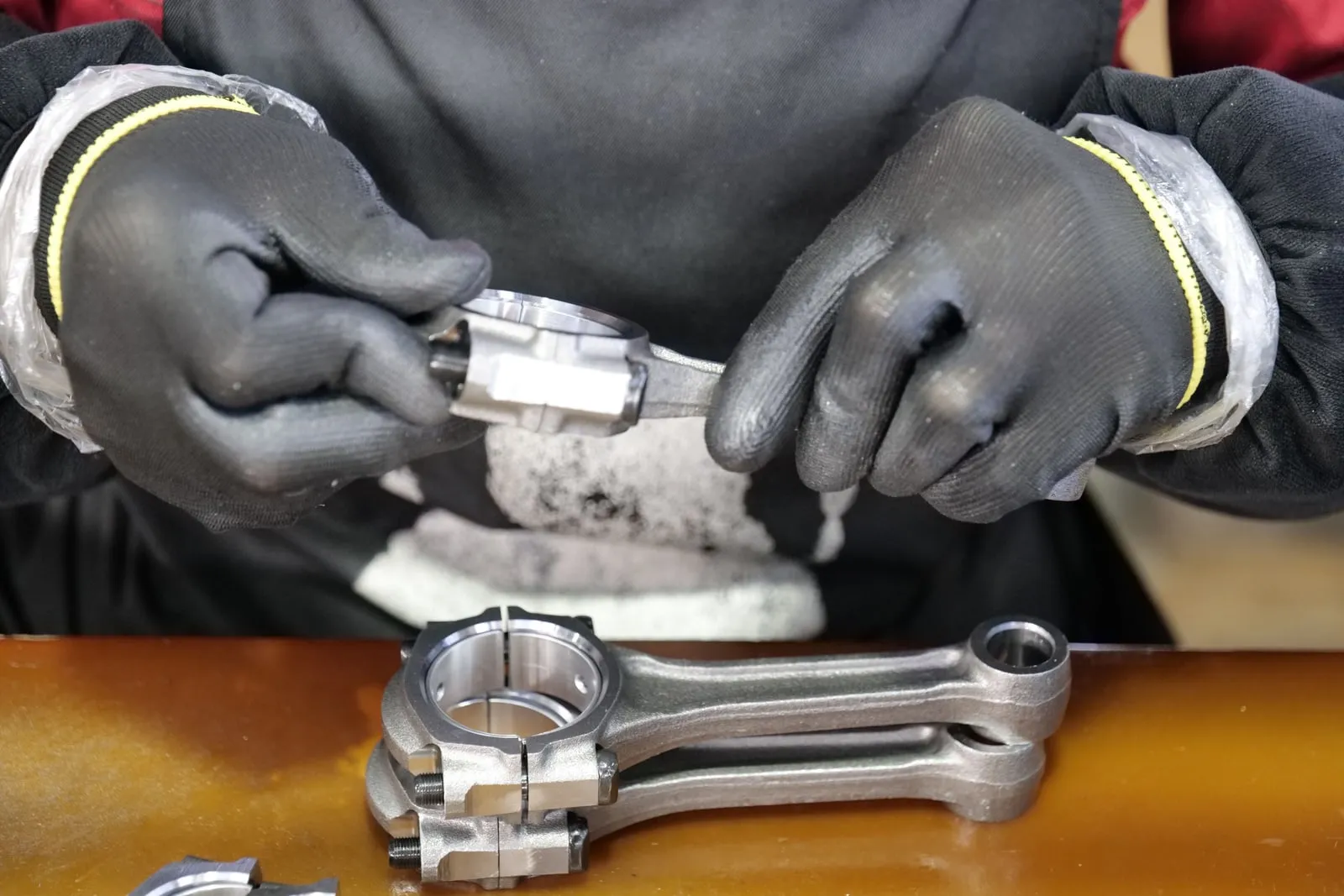
Intrinsic also published the Open Machine Tending Solution, a reference design for CNC machine tending that can be customised across different hardware. Machine tending — loading a part into a machine, taking the finished one out — is the most commonly automated task in a metalworking shop and the one where integration cost usually kills the business case.
SiliconANGLE reported that only 8% of the tens of thousands of machine shops in the United States and Europe currently use any automation, held back by cost and technical barriers. That figure is the market Intrinsic is aiming at: the shops that never buy a robot because the integration quote is larger than the robot.
Why Alphabet gives this away
Intrinsic was founded in 2021 inside Alphabet’s X and was folded into Google’s operations in February 2026, according to SiliconANGLE. Open-sourcing the control layer follows a familiar pattern: the layer that is expensive to maintain and hard to differentiate on becomes shared infrastructure, and the company keeps the parts above it.
It also positions Intrinsic Core against the existing ROS ecosystem rather than beside it. ROS already has motion planning and drivers; what it has not had is a maintained, industrial-grade real-time control framework from a company with Alphabet’s resources behind it.
What to watch
Whether the robot makers whose hardware is not on the supported list write their own drivers, and whether anyone outside Alphabet ships a product on this stack. An Apache-licensed repository with one corporate committer is a release; one with independent contributors is a platform.