What it does
Nvidia has released a beta of PAIR, the Personal AI Router, a free and open-source tool that discovers the computers on a local network and distributes AI inference requests to whichever ones are not currently busy. It was announced at IFA 2026 in Berlin and described by The New Stack on 3 September.
PAIR does not run models itself. It uses the Ollama or LM Studio installation already present on each machine, discovers peers over mDNS, and checks each node’s current load before handing it a job. A machine in the middle of a game gets skipped; a machine sitting idle gets the work.
The supported hardware is broad by the standards of Nvidia software: Windows, macOS and Linux, with Nvidia GeForce RTX 20 Series and newer, RTX PRO from Turing onward, DGX Spark, and Apple silicon from M4.
The limitation that defines it
PAIR is a router and a scheduler, not a fabric. It cannot shard a large model across several small GPUs, it does not pool VRAM into one address space, and it cannot split a single inference request across two machines. Every node needs enough memory to hold the model on its own.
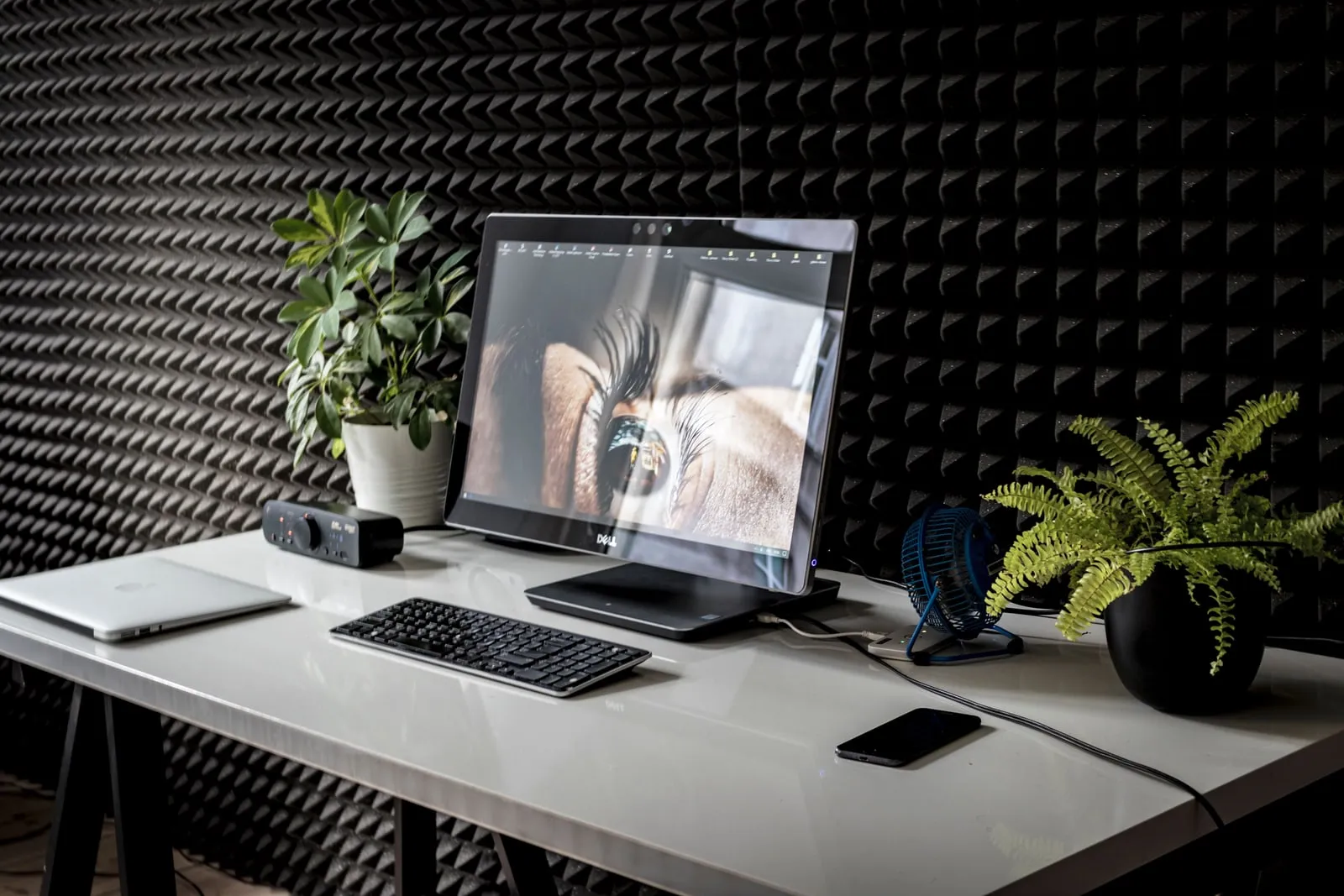
That rules out the use most people would want first — running a model too large for any one machine — and leaves the use that is actually common in agentic work: many independent calls at once. A multi-agent workflow issuing five subagent requests does not need one big accelerator. It needs five things that can answer in parallel, which is exactly what a household with two gaming PCs and a Mac already has sitting idle.
The numbers Nvidia published
Nvidia’s own figures, which have not been independently verified, report up to a 1.9x throughput gain with llama.cpp on an RTX 5090, 1.2x with vLLM on an RTX PRO 6000, and up to 1.4x with vLLM across two DGX Sparks.
Those are queueing gains rather than capability gains, and they scale with how parallel the workload is. A single chat turn sees nothing. A workflow that fans out sees roughly what the parallelism allows, minus the network.
Why this is more interesting than it looks
The strategic logic is not subtle. Local inference has a hard ceiling set by the memory in one consumer card, and that ceiling is why serious agent work runs in the cloud. PAIR does not raise the ceiling; it widens the floor, and it does so with software that costs nothing and works with the two runtimes hobbyists already use.
It is also, quietly, a reason to own more than one Nvidia card. A tool that makes a second RTX machine useful is a tool that makes a second RTX machine purchasable.
What to watch is whether the open-source release attracts contributions that push past the design’s limits — a community fork that does shard models across nodes would be a different product, and Nvidia has not said it intends to build one.