“AI independence” in drug research
Roche used its pharma investor day in Zurich on Monday to set out plans for autonomous AI-driven laboratories, according to reporting from the event. Aviv Regev, executive vice-president of Genentech Research and Early Development, said the company is pursuing what she called “AI independence” in research and development, and that construction of the autonomous labs has started.
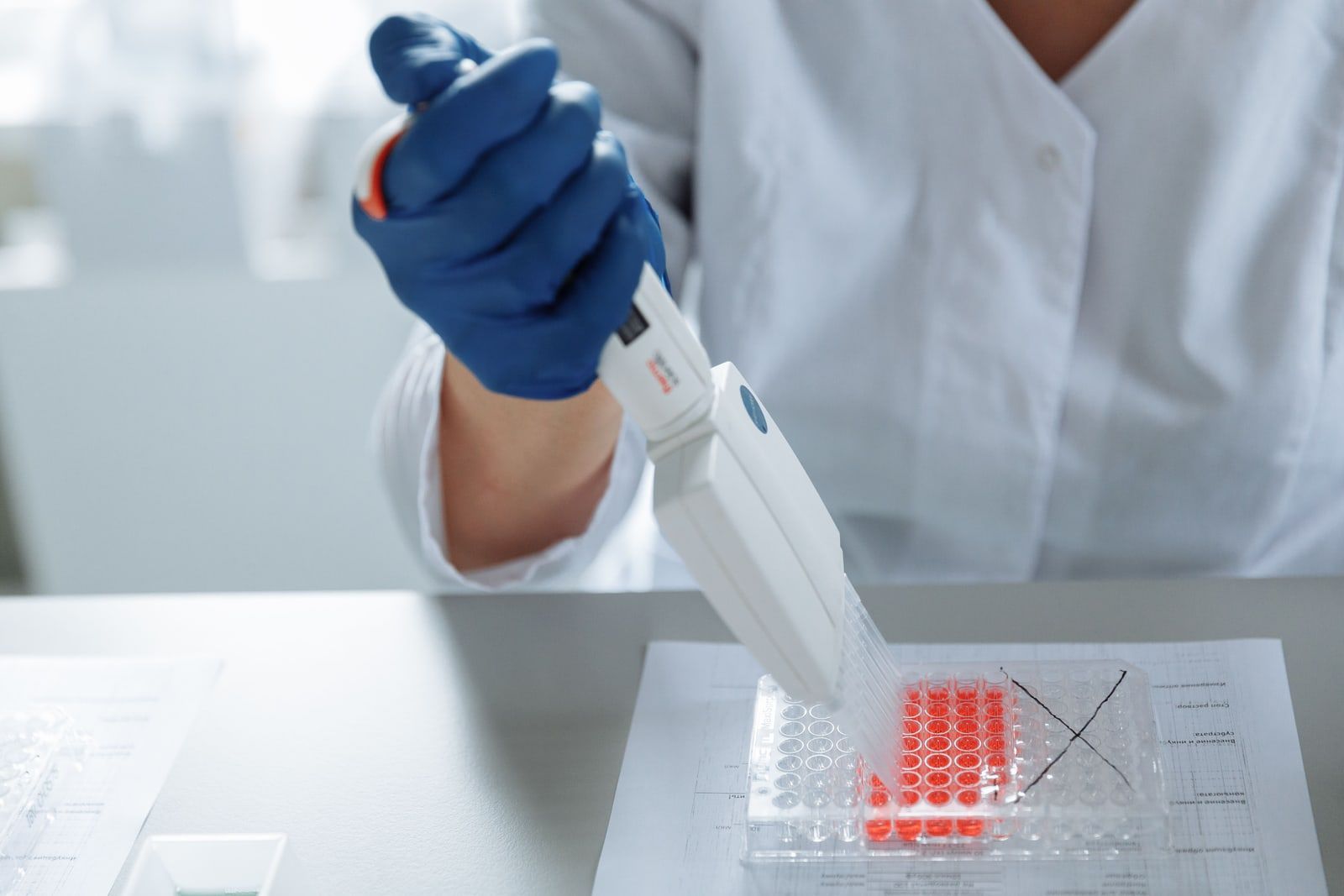
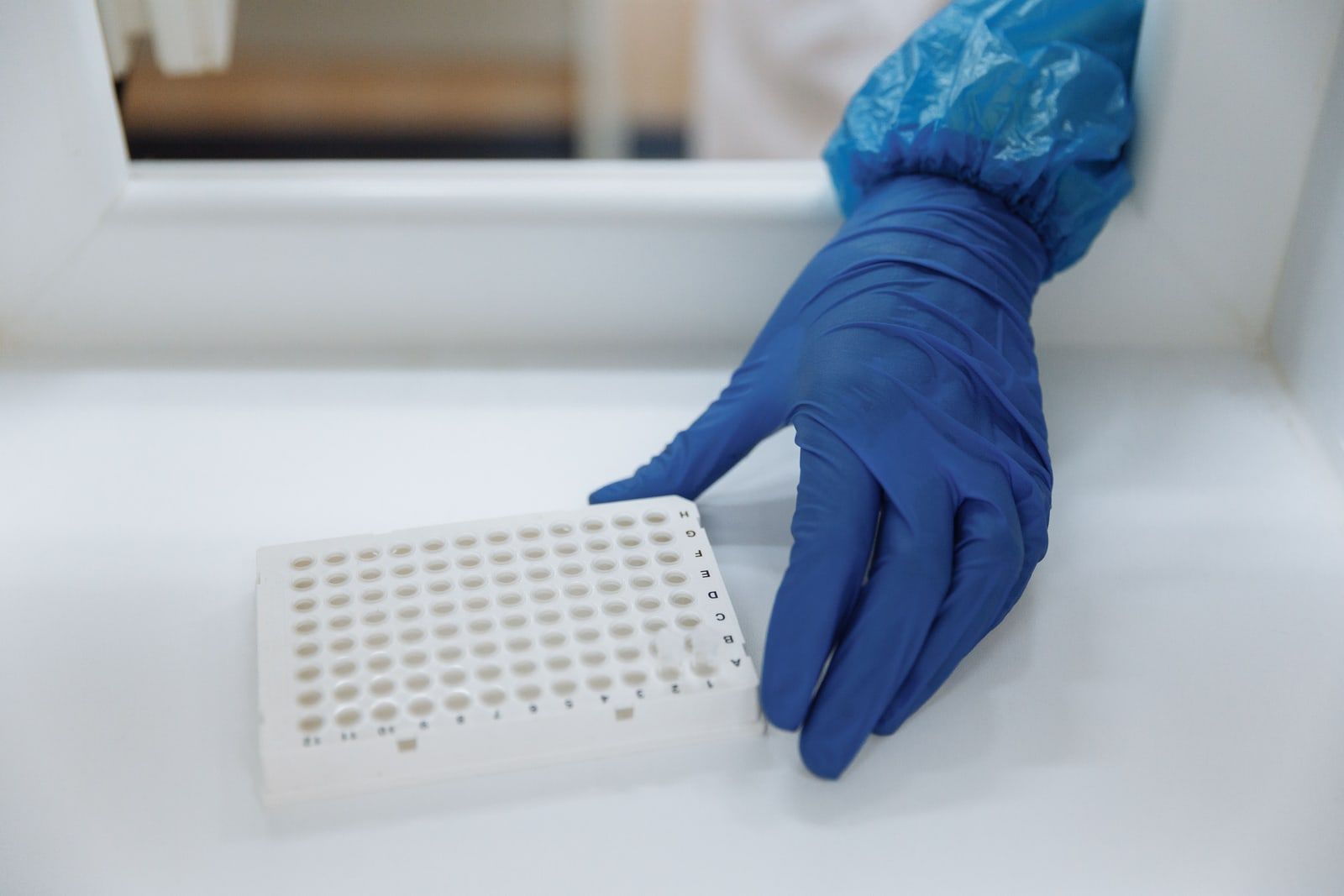
The method Roche describes is a loop rather than a prediction engine. Models generate predictions from experimental and clinical data; the predictions are tested in the laboratory; the resulting data goes back into the models. Roche calls this lab-in-the-loop.
The numbers Roche is claiming
The figures below are Roche’s own, presented to investors, and have not been independently verified.

The company said its Phase III clinical trial success rate rose above 80 per cent so far in 2026, against 65 per cent in 2025. It said 40 per cent of pipeline decisions taken between the fourth quarter of 2025 and the second quarter of 2026 included a tracked contribution from AI or computational methods, and that its Target Nexus tool remains on course to contribute to 80 per cent of research portfolio decisions by the end of 2026.
Roche also said about 2 billion Swiss francs of research and development savings will be redirected into programmes and productivity work, and set a target of up to 20 new molecular entities reaching market by 2030.
A Phase III success rate jumping 15 points in a year is the kind of number that usually reflects portfolio composition as much as method. Roche has not published the breakdown.
The hardware behind it
The compute side is more concrete. Roche has added 2,176 Nvidia Blackwell GPUs across sites in the United States and Europe, taking its total footprint past 3,500 accelerators.
That is small by frontier-lab standards and large by pharmaceutical ones. It is also the part of the announcement that is verifiable: chips arrive on a date and sit in a building.
What to watch
Roche is not the first drug company to describe AI-run laboratories, but the “lab-in-the-loop” framing puts a testable claim on the table: that the value comes from the experimental feedback rather than the model. The check on that is the pipeline. Twenty new molecular entities by 2030 is four years away and countable.
The nearer test is whether the 80 per cent Target Nexus figure holds when the year closes in three months.