What shipped
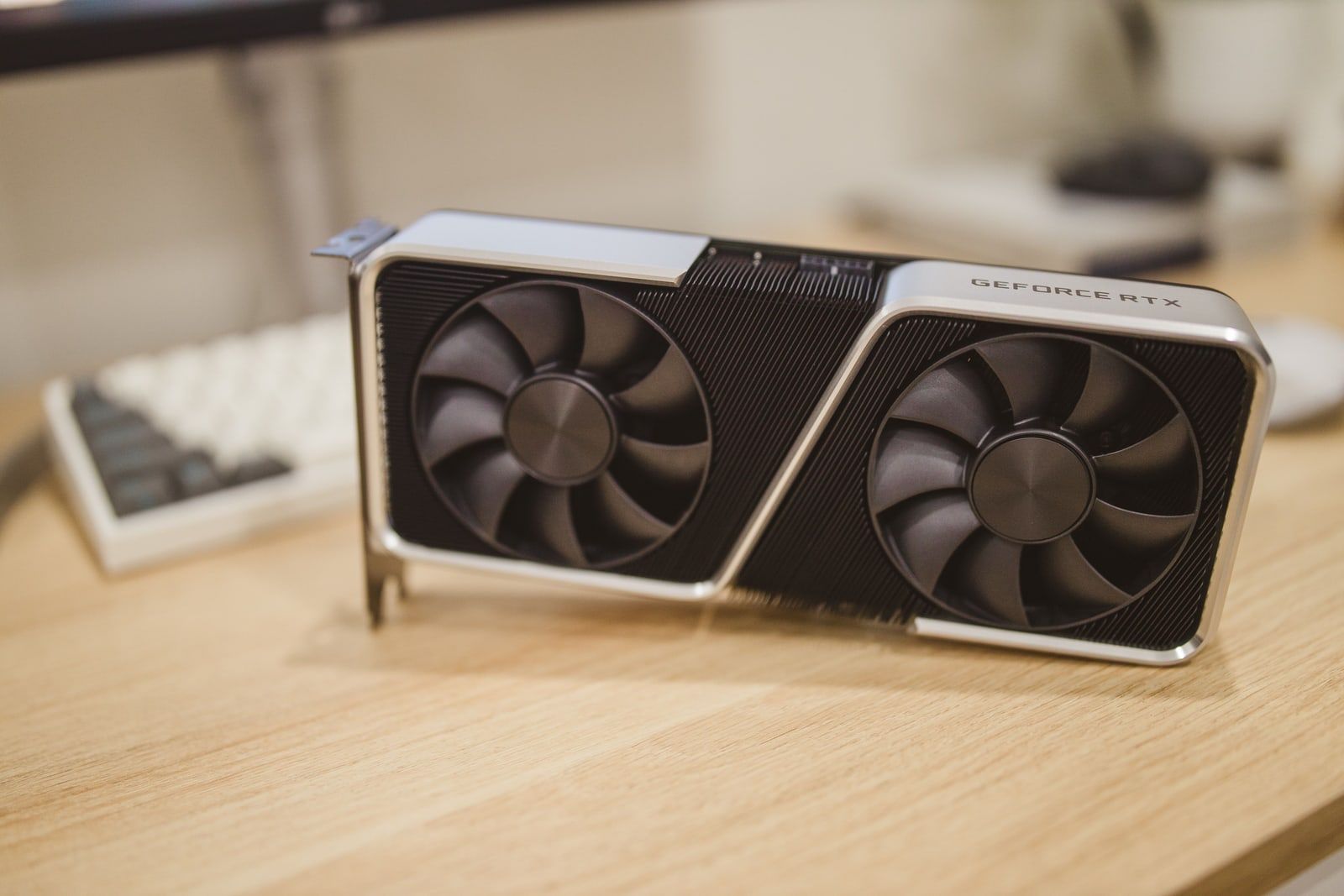
Nvidia announced general availability of RTX Spark laptops on 16 October, sold through OEM websites and major retailers. The lineup is eight machines from seven manufacturers: the ASUS ProArt P14 and P16, the Dell XPS 16, HP’s OmniBook Ultra and OmniBook X 14, the Lenovo Yoga Pro 9n, Microsoft’s Surface Laptop Ultra, and MSI’s Prestige N16 Flip AI+ and Prestige N16.
The common part is the silicon. Each is built on a single superchip pairing an Nvidia Blackwell RTX GPU with an Nvidia Grace CPU, with MediaTek collaborating on the custom CPU design. Nvidia’s headline figures are up to 128GB of unified memory shared between CPU and GPU, and up to 1 petaflop of FP4 AI performance.
The memory is the point
Unified memory is what makes the claim interesting. On a conventional laptop the discrete GPU has its own pool, often 8GB to 24GB, and a model that does not fit in it either spills to system memory at a heavy speed cost or does not run. A shared 128GB pool removes that ceiling for a class of models that previously needed a workstation.
Nvidia names one: Nemotron 3.5 Bolt 74B-A9B 24GB, a 74-billion-parameter model it describes as tuned for tool calling and multistep tasks, supported on compatible configurations. That is the substance behind the release’s claim that the machines can run frontier AI models locally — and it is worth noting the release gives no tokens-per-second figure and no TOPS number to put next to the petaflop, so there is no published throughput to check the claim against.
Jensen Huang, Nvidia’s founder and chief executive, said in the release that the PCs are “built for the work they do today and the personal AI agents they’ll work with next.”

Two prices on two Nvidia pages
The 16 October press release says the laptops start at $2,599, with pricing and configurations varying by region. Nvidia’s own newsroom listing for the follow-up blog post the next day, 17 October, says the laptops start at $2,399 — a $200 gap between two pages published by the same company a day apart.
Nvidia has not said which figure supersedes the other, and the difference is the sort of thing a regional variation or a specific configuration could explain. Buyers comparing the line should check the OEM listing rather than either Nvidia page.
Where this sits
This is the consumer end of a strategy Nvidia has been building out all month. On 15 October the company released Nemotron 3.5 Super VL, an open 120-billion-parameter model, alongside two edge models including the Bolt 74B-A9B that these laptops run. The laptop launch is the hardware that the smaller of those models was sized for.
The release also quotes Microsoft’s Yusuf Mehdi along with Nous Research, Adobe and 2K, which is the shape of the pitch: Windows OEMs, a creative software stack, and local agents as the reason to pay workstation money for a laptop.
What to watch
The number that will settle whether this is a category or a specification sheet is throughput — how many tokens a second a 74-billion-parameter model actually produces on a machine running on battery. Nvidia has not published it. Independent reviews of the eight machines will, and that is when the petaflop figure gets tested against something a buyer can feel.