A programme called SINI
The US National Science Foundation said on 8 October that it will shortly release a funding opportunity worth up to $75 million over five years for what it calls Super Intelligence-Native Instruments, or SINI.
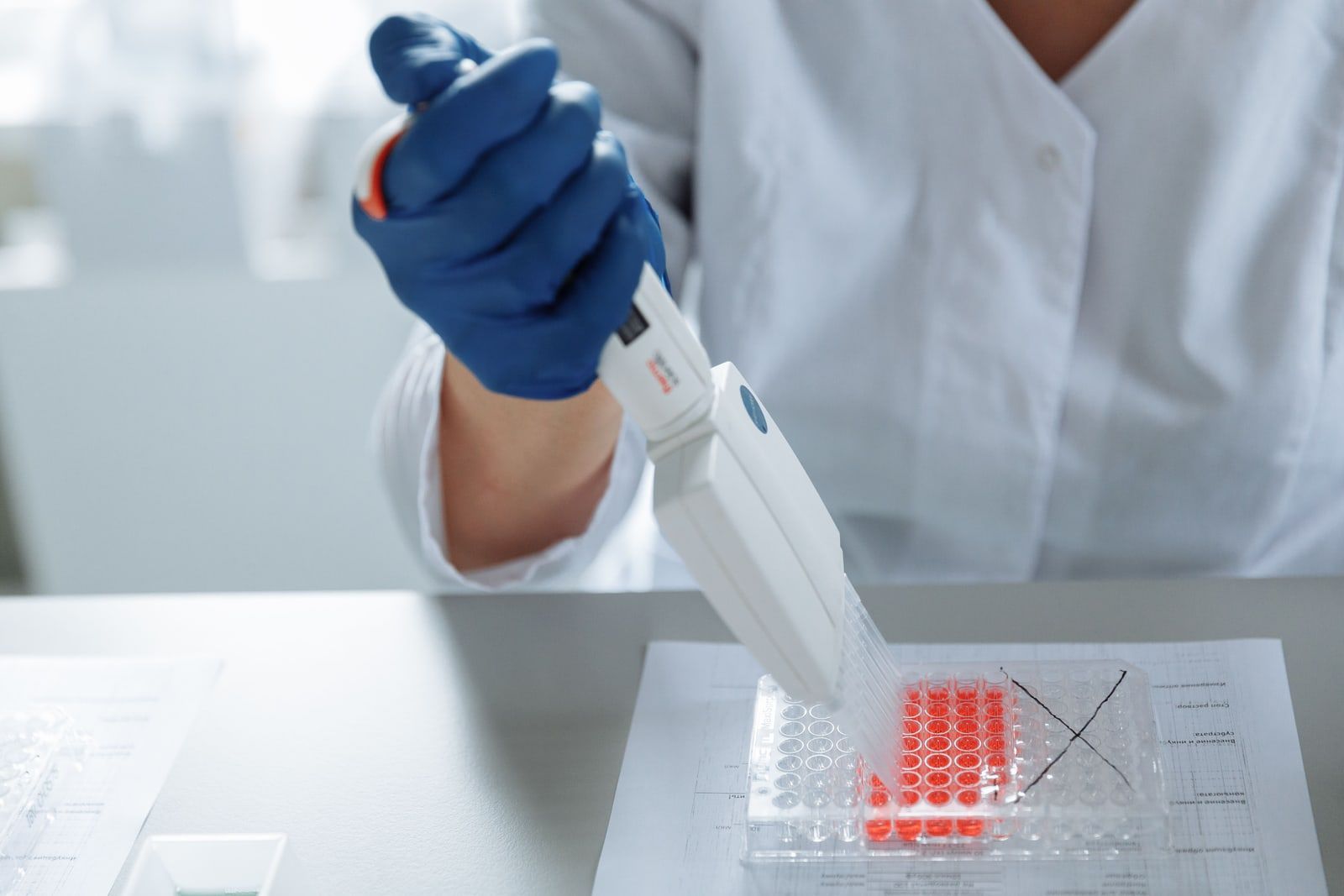
The announcement describes digital-first scientific instruments built for what the agency’s own text calls “super intelligence-driven scientific discovery”, and ties the opportunity to the NSF Programmable Cloud Laboratories Network announced in July. Awardees would extend that network with instruments designed from the start for remote operation and machine-readable output rather than for a scientist standing at a bench.
The money itself is unremarkable by the standards of this year’s AI spending. What is new is the name. Until now the White House’s September executive order rebranding artificial intelligence as “super intelligence” had shown up in statements, press releases and job titles. It is now in the title of a funding programme that American laboratories will have to apply to by that name.
The rename is working its way down
The American Institute of Physics’ bulletin for the week of 12 October reports that an NSF official told a webinar that grant materials may swap “AI” for “Super Intelligence”, and that programme directors may make the changes themselves. That is the mechanism by which an executive order becomes the vocabulary of a research proposal: not a mandate, but a programme officer editing a solicitation.
NSF’s release does not explain or defend the term. It simply uses it, in the programme name and in the body text, alongside ordinary language about automation and research workflows. There is no indication in the release that the instruments being funded are different from the ones a differently named programme would have funded.

What else is in the package
SINI arrived with a batch of other initiatives, which NSF presents as supporting the White House’s “Science: A New Golden Age” report — a document the release describes as the first comprehensive rethinking of the US science and technology enterprise in more than 80 years. They build on $1.5 billion in investments NSF announced in August.
The others are: an Office of Metascience, a testbed for studying how research communities respond to new review and funding mechanisms, which NSF says will publish its experiments and findings; a Quantum+X Grand Research Challenge, a prize competition run with an industry partnership and aimed at energy, biotechnology and finance; a Synthetic Multicellularity Prize Grand Challenge, a multistage competition in synthetic and engineering biology; an NSF X-Labs Consortium whose founding partners represent more than $300 million in commitments of floor space, instrument access and direct support; National Math Stars, $30 million over four years and fully matched by private philanthropy, to expand talent identification and test a digital maths platform for families; and NextGen Workforce, covering accelerated bachelor’s-to-doctoral programmes and interdisciplinary graduate training.
Of those, only SINI and National Math Stars carry a dollar figure and a duration. The release gives none for the Office of Metascience, either prize challenge, or NextGen Workforce, and says more detail will follow in the coming days. NSF published a separate joint metascience statement with UK Research and Innovation on the same day.
The thing to watch is the solicitation itself. A programme name is cheap; a solicitation has eligibility rules, review criteria and a deadline. When SINI’s text appears, it will show whether “super intelligence-native” is a label applied to instrument automation that was already planned, or a requirement that changes what an eligible proposal looks like.