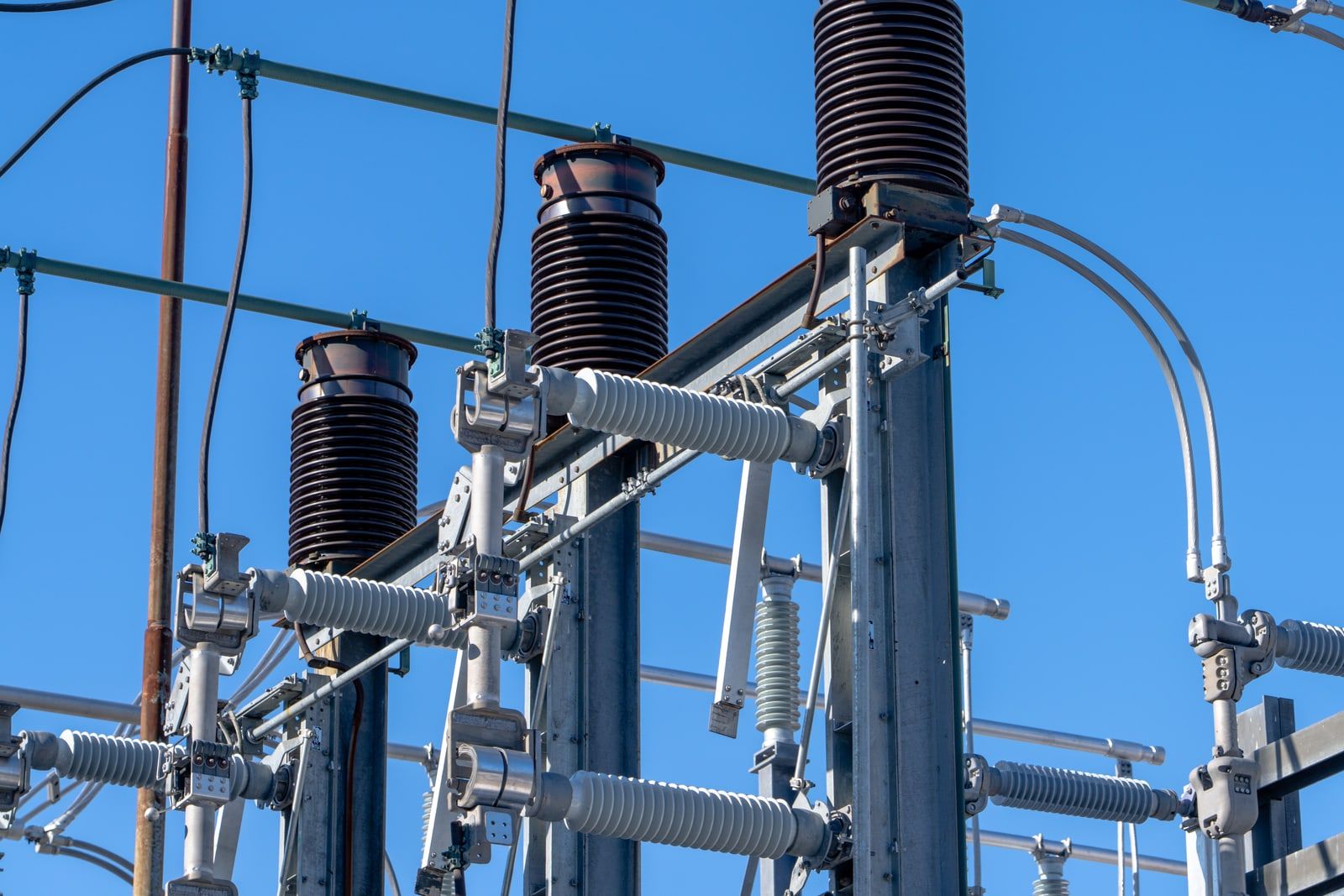
From web traffic to Meta’s biggest training site
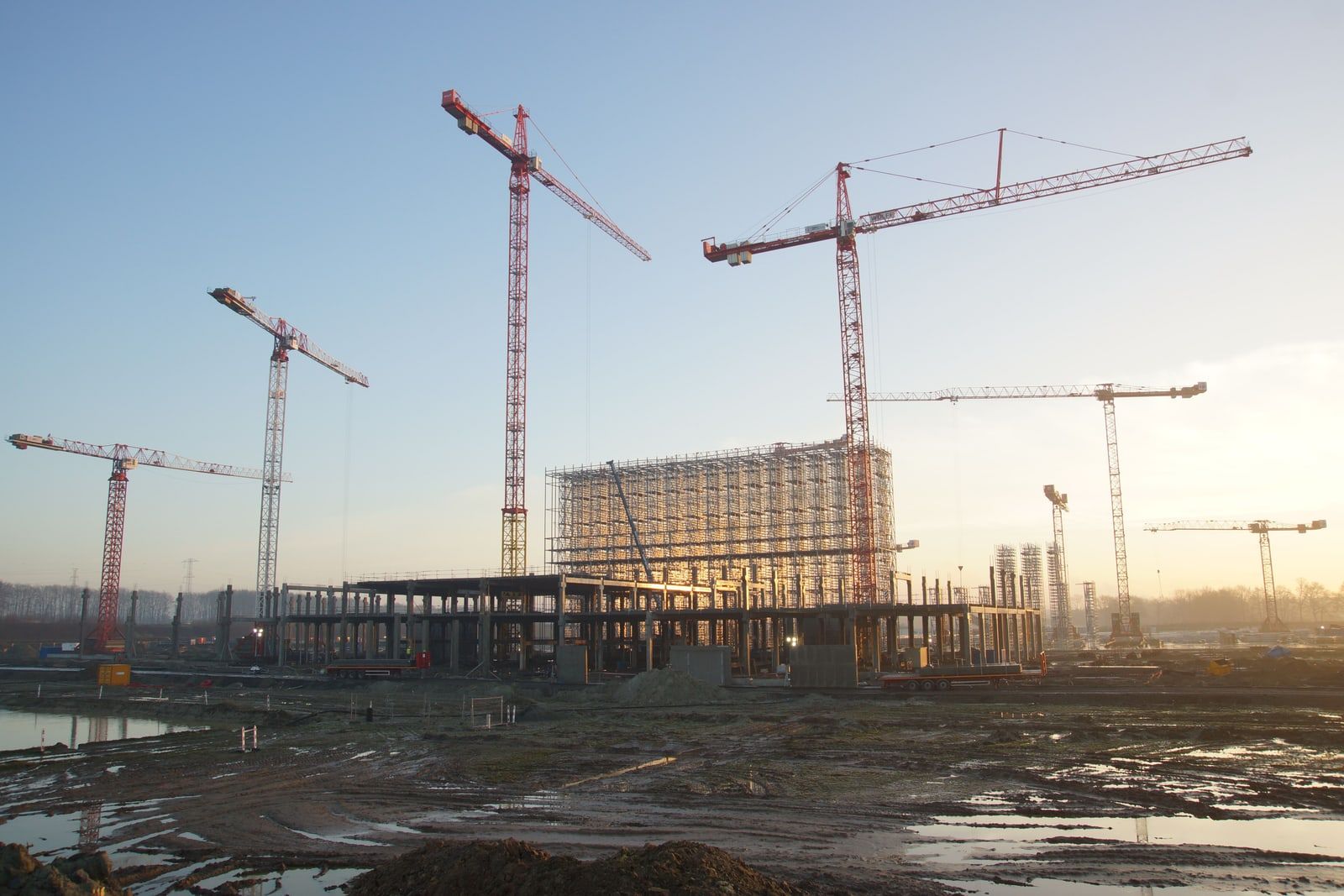
Meta has published its first detailed engineering account of Prometheus, the cluster in New Albany, Ohio that it is building out toward roughly one million GPUs. Two years ago, according to the post, the site was a conventional data centre carrying web traffic.
Phase one is finished. Meta says it was used to train the Muse family of foundation models, including Muse Wonder, which the company describes as aimed at personal and professional agentic tasks. The deployment running today is described only as “hundreds of thousands” of GPUs.
The one figure the post does not give is the campus total in megawatts. “Gigawatt-scale” sits in the title and in the project’s own framing, and the text goes into detail on power per rack and on how the cluster behaves against the grid — but it never states what the site draws.
Three generations of rack on one campus
Meta names three rack platforms. Catalina, built on Nvidia’s GB200 NVL72, pairs two racks to hold 72 Blackwell GPUs with 192GB of HBM3e each, and draws about 120kW per rack pair. Clemente, on GB300 NVL72, fits 72 GPUs into a single rack with 288GB each, clears an exaFLOP of peak FP4, and draws about 135kW — for what Meta puts at a 5 to 10% performance gain over GB200.
The platform still to come, San Miguel, uses Nvidia’s Vera Rubin NVL72 with 288GB of HBM4 per GPU and 2.52 EFLOPS of FP4 per rack. Meta says it will draw more than 170kW a rack and deliver 10 to 20% better performance per watt than GB300. Each GPU in the fleet pulls roughly 1,400W under load.

Failure is the design constraint
The engineering problem Meta spends most of the post on is not throughput but interruption. An NVL72 scale-up domain is nine times larger than the eight-GPU domain it replaces, so each fault takes down nine times as many chips.
Meta’s own figures: goodput above 85% for pre-training and above 90% for the reinforcement learning phase of Muse Wonder. Mean time between interruptions reached about 47,000 GPU hours during training runs and later passed 54,000 with firmware fixes. Interruptions peaked near 1,000 per 8,000 GPUs per day in mid-2025, which Meta says is a 99% reduction to today’s rate. The stated target is two per 8,000 GPUs per day, or roughly 100,000 GPU hours between failures.
Paying for that means carrying idle silicon. Each rack runs a 64-GPU slice with eight in-rack spares, on top of about 2% reserve racks. A run with 32,768 active GPUs therefore occupies 523 NVL72 racks holding 37,656 GPUs — about 13% above the active footprint.
The grid feels the training run
Synchronised training swings load by 30 to 40%, moving tens of megawatts within seconds. Meta lists four mitigations: a Dynamo Dimmer that caps GPU power gradually, battery backup units in the racks, capacitor trays, and facility-scale battery energy storage.
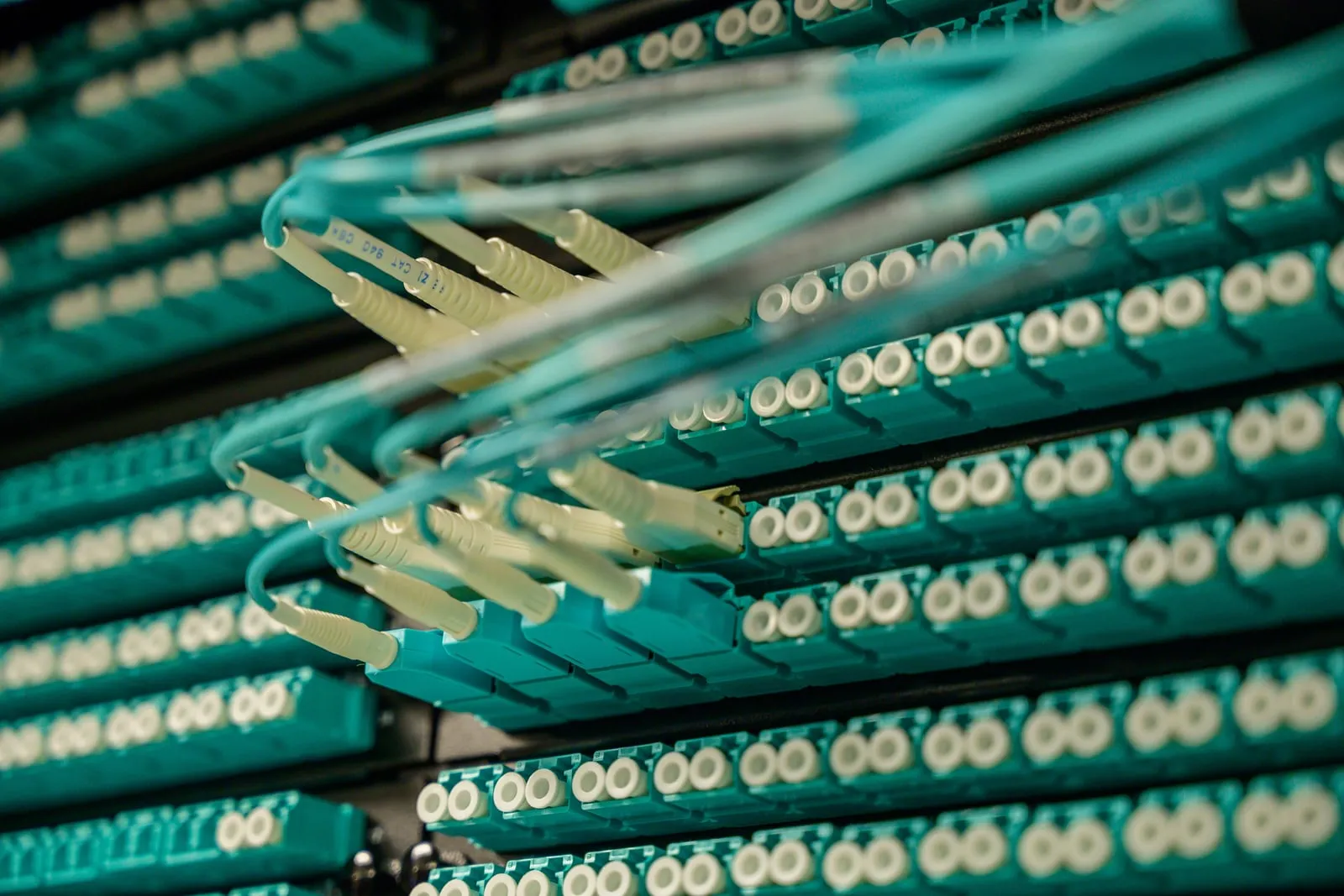
Networking is the other scaling story. Building-level Ethernet fabrics reach 20,736 GPUs each, and Meta has moved from a Disaggregated Scheduled Fabric to a Non-Scheduled Fabric on 51.2T switches. A Backend Aggregation layer links buildings from two kilometres out to more than 100, carrying multiple petabits per second between region pairs.
Meta says it pays the full cost of energy at New Albany and matches its usage with new clean and renewable generation. The next site is Hyperion, in Richland Parish, Louisiana, with closed-loop liquid cooling and a full grid connection through the utility Entergy.
Two things are worth watching: whether Meta ever publishes a capacity figure for Prometheus, and whether the 100,000-hour reliability target survives the arrival of 170kW racks.