What the two companies are putting in
Mercedes-Benz and Nvidia said on 16 October that they are extending their partnership to co-develop the next generation of driver assistance and automated driving systems. The announcement is unusually specific about which parts come from where.
Mercedes brings vehicle engineering, its safety expertise and MB.OS, the operating system that carries new driving functions and handles over-the-air updates. Nvidia brings three things: the Hyperion compute and sensor architecture, the Alpamayo Stack driving software, and Halos, a safety system.
The division is the interesting part. MB.OS works with Hyperion’s in-vehicle computing and sensors, which means the German carmaker keeps the layer the driver experiences and the update path, while the American chipmaker supplies the compute, the sensing and now the driving policy itself.

Two safety stacks, not one
Alpamayo Stack is described as full-stack driving software with AI reasoning, covering point-to-point urban assistance, active safety and automated parking. That is the system that decides what the car does.
Halos is the part worth noticing. Nvidia describes it as a parallel safety stack that adds redundancy and guardrails on top of the Mercedes-Benz safety foundation — a second, independent system whose job is to constrain the first. Running a reasoning-based driving policy alongside a separate stack built to override it is the architecture the industry has been converging on, and it is the same shape as the containment work going on in software agents: do not only train the system to behave, build something outside it that can stop it.
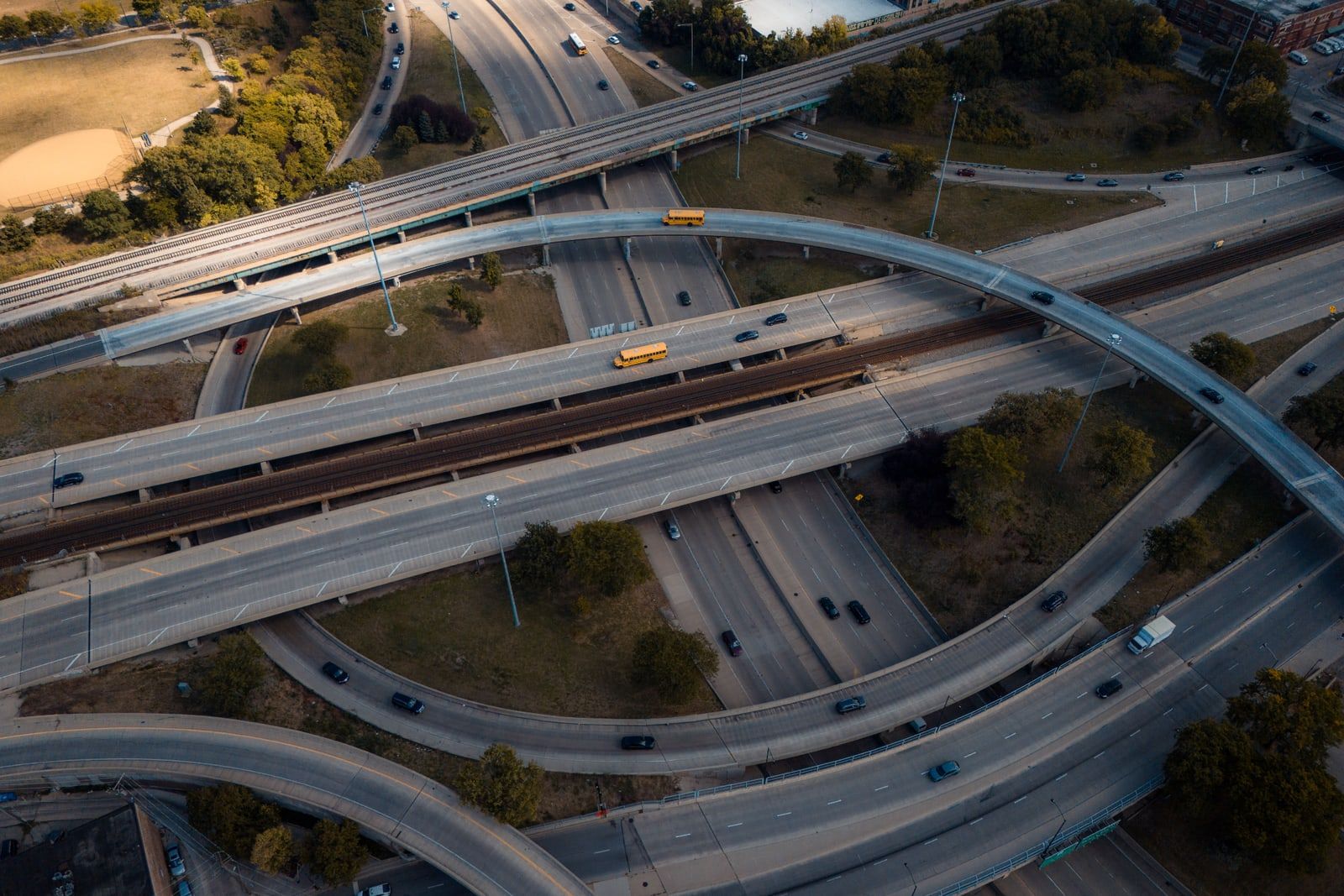
Together, the two companies say, these support advanced driver assistance and future SAE Level 4 applications, including robolimousines.
What is not in the release
Quite a lot. The announcement names no vehicle models, no launch dates, no deployment timeline for Level 4 or robolimousine services, and no financial terms. The only chip-level detail is the Hyperion platform name.
The absence of a date matters more than the absence of a price. “Future SAE Level 4 applications” is a direction of travel, and carmakers have been pointing in that direction for a decade. What is concrete here is the software supply decision: Mercedes has chosen whose driving stack it will build on for the next generation, and that choice is harder to reverse than a chip order.
A relationship that already runs through the factory
Jörg Burzer, the Mercedes-Benz board member and chief technology officer, called Nvidia the company’s most important strategic partner in automated driving, and noted that the two previously developed the first Mercedes-Benz urban point-to-point assistance system in the western world. Ali Kani, Nvidia’s vice president for automotive, framed the work in terms of accelerated computing giving vehicles the intelligence to understand their surroundings and reason through complex driving situations.
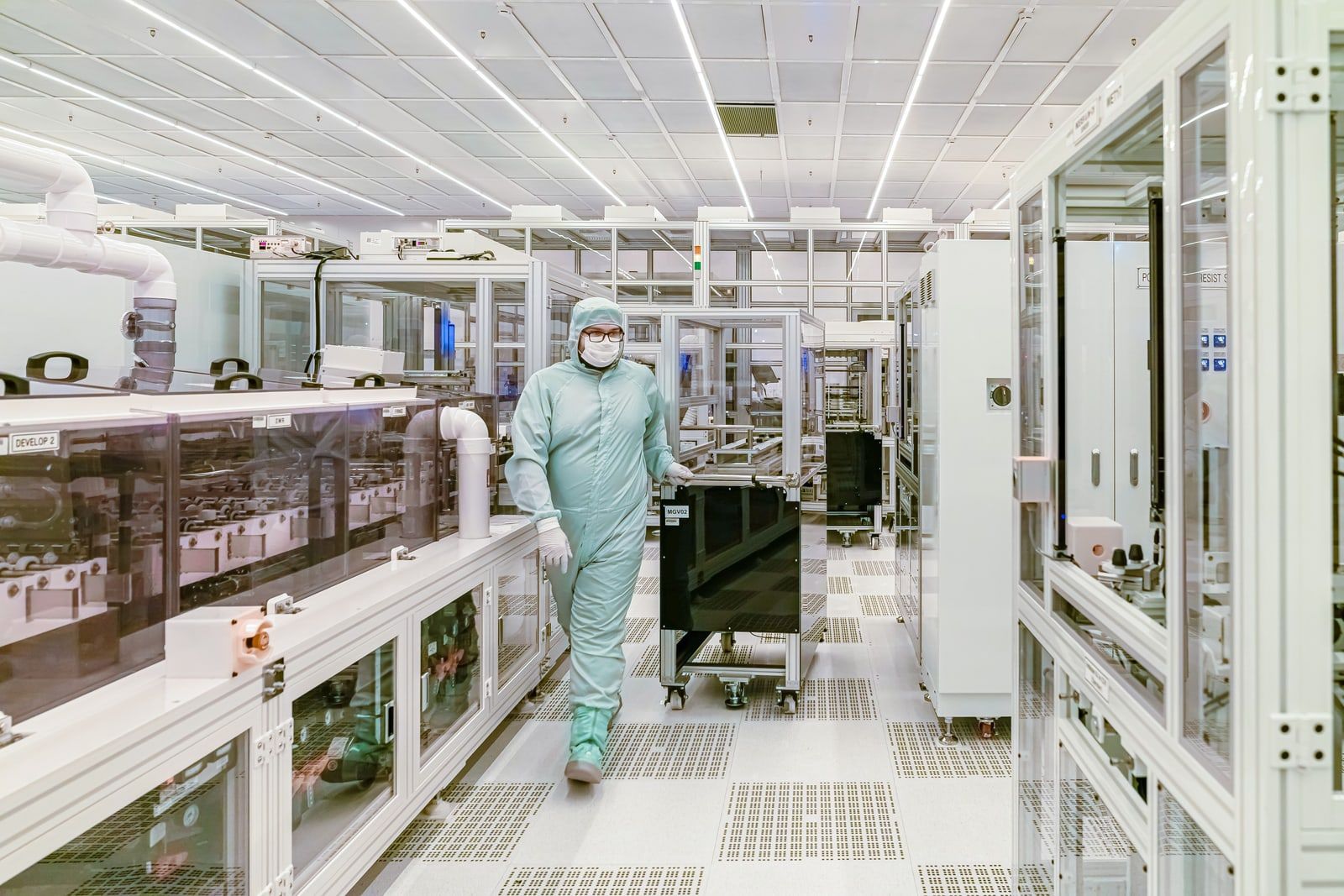
The partnership is not confined to the car. Mercedes already uses Nvidia technology for vehicle engineering simulation and inside MO360, its digital production ecosystem, which runs from virtual planning through to AI applications across roughly 30 production sites on four continents. The group employs about 164,000 people and sold more than 2.1 million passenger cars and vans in 2025.
What to watch
The first checkable milestone will be a named vehicle with a stated function and a date. Until then, watch for what Mercedes says about where Alpamayo’s decisions end and Halos’s authority begins — a redundant safety stack is only meaningful if its override conditions are specified — and for whether any regulator asks the same question before a Level 4 system reaches a public road.