Board met into the evening
Nvidia’s board of directors met on Wednesday to decide whether to remove Jensen Huang as chief executive, CNBC reported, confirming a Wall Street Journal report that the directors were preparing to force him out. CNBC said the meeting stretched into the evening. Nvidia has not announced a decision, and did not respond to CNBC’s request for comment.
The directors opened an independent investigation on 8 November into reports that Huang had been targeted by a foreign intelligence operation, and retained the law firm Wachtell, Lipton, Rosen & Katz. The board’s own statement at the time said Huang fully supported the review and had committed to cooperating with it. Wednesday’s meeting was the first indication that the directors were weighing his job rather than only the conduct behind it.
What has been reported, and by whom
Two separate relationships are at issue, and Nvidia has confirmed neither.
The Financial Times and the New York Times reported that Huang had been romantically involved with Alice Huang, a woman US intelligence officials believe works for China’s Ministry of State Security. The New York Times then reported a relationship between Huang and Kimberly Powell, Nvidia’s vice-president of healthcare. CNBC said Powell did not respond to a request for comment.
Huang emailed staff on Sunday. “I was unfaithful to my wife,” he wrote, in an email quoted by CNBC. “My actions hurt her and our children. There is no excuse for what I did.” He has not publicly addressed the intelligence allegation.

The share price
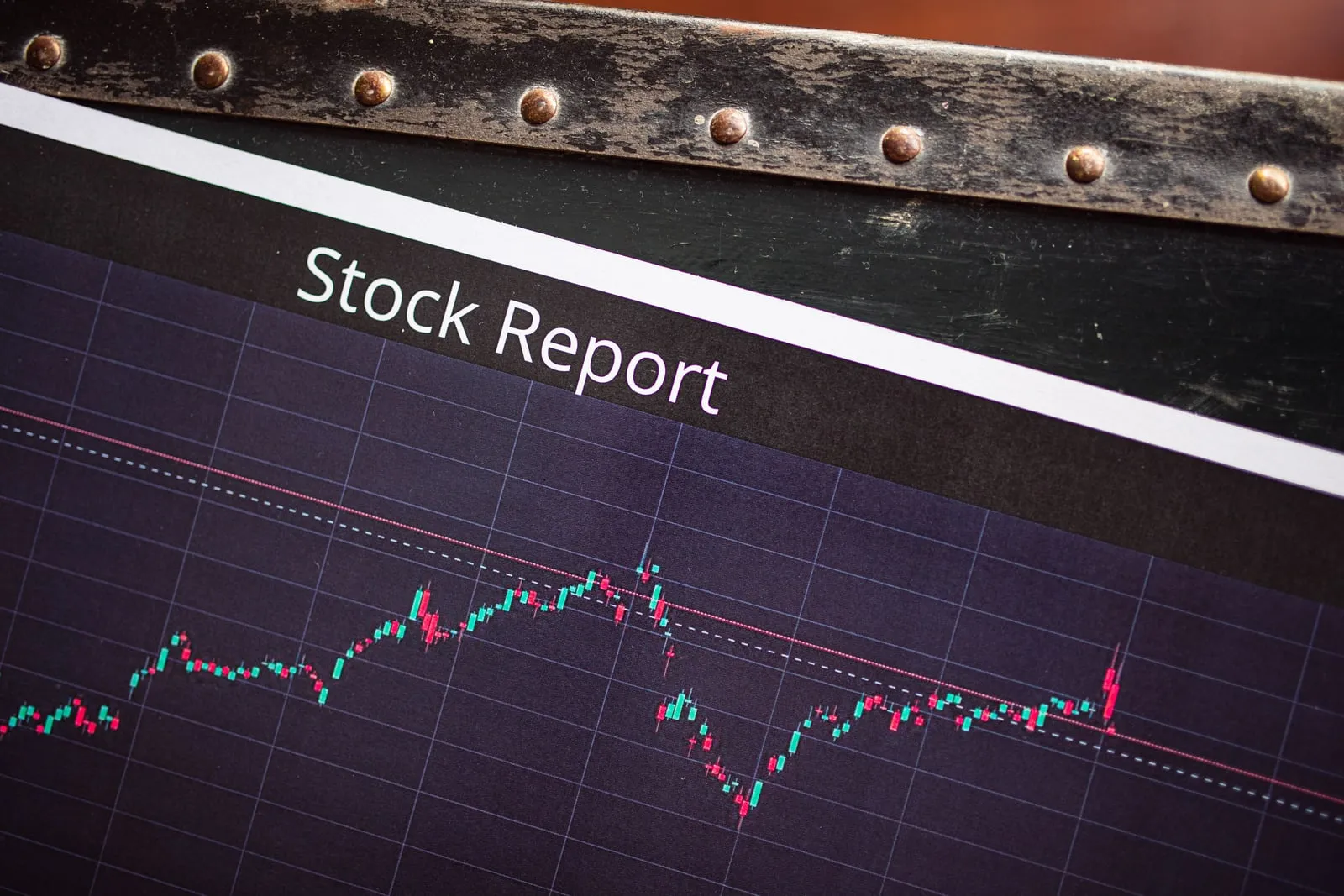
Nvidia closed Wednesday’s regular session at $173.73, up from $168.89 on Tuesday, according to Nasdaq’s historical data. The fall came afterwards: CNBC said the shares dropped more than 9% in after-hours trading once the Journal’s report landed.
Even before that, the stock was down about 7% for the week and on course for a sixth consecutive weekly decline. That slide started with investor nervousness about AI infrastructure spending after the US midterm elections, not with anything about the chief executive — Nvidia closed at $186.64 on 6 November and at $168.89 on 10 November.
Huang’s own stake offers little protection. CNBC reported that he holds roughly 70 million shares personally, with most of his holding co-owned with his wife, Lori Huang, or held in trusts, leaving him without the kind of voting control that has insulated other founder-chief executives.
What happens next
Nvidia reports third-quarter results on 17 November, having guided to revenue of about $108bn. The company has not said who will present them. Three Republican committee chairmen have asked to be briefed by Huang on 18 November, and Senator Kevin Cramer has called on him to resign.
Whatever the board decides lands on the single largest supplier of AI training hardware, and on a company whose chief executive has personally argued US export policy toward China in public and in Washington. The concrete thing to watch is a filing: the departure of a chief executive at a company of Nvidia’s size has to be disclosed to the Securities and Exchange Commission on a Form 8-K within four business days.