What the record shows
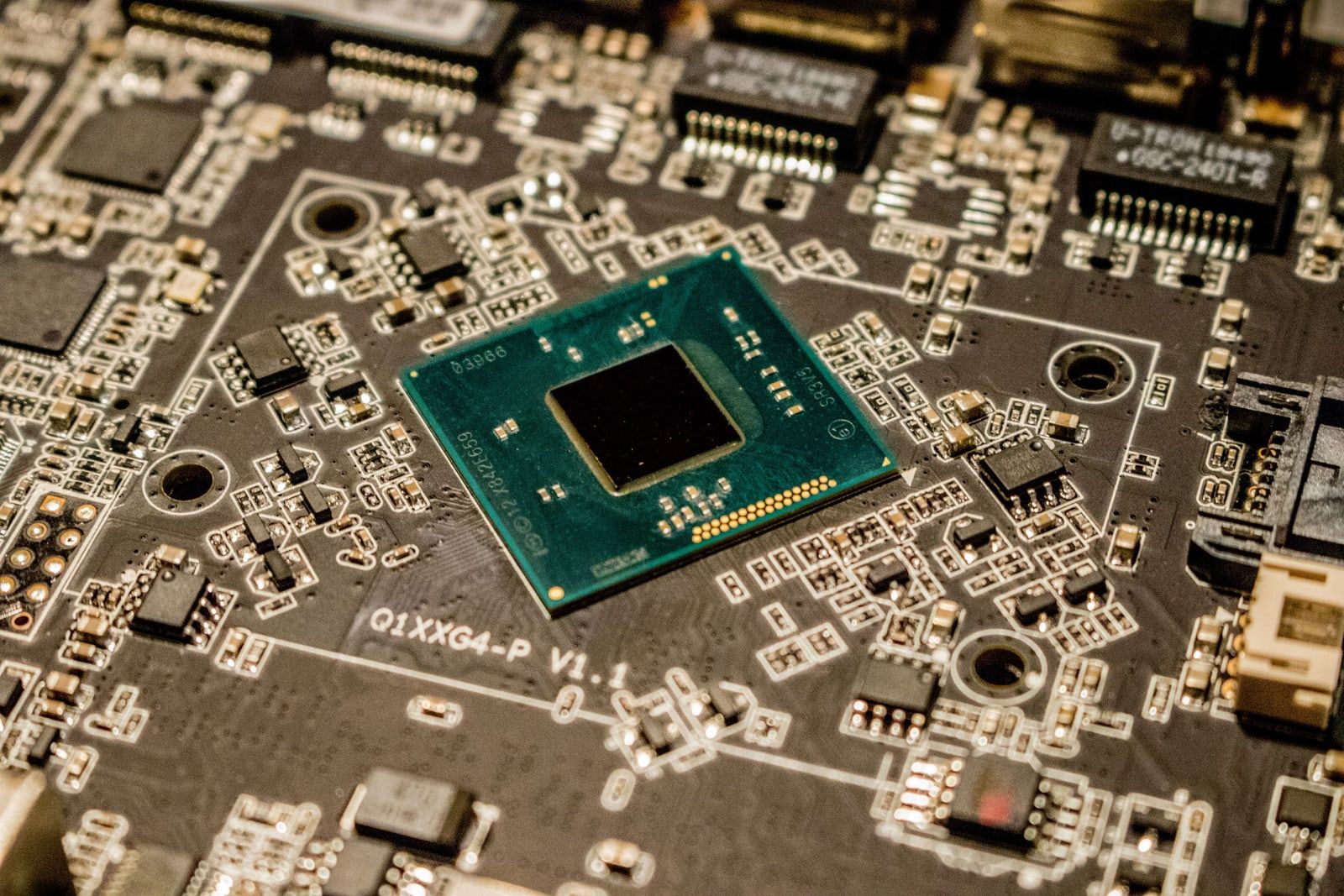
Northwestern Polytechnical University in Xi’an bought two Nvidia H200 chips for 874,700 yuan, about $123,000, according to a procurement record dated 21 October on the university’s own website and reported by Reuters.
The purchase was made for the university’s management school, and the seller was Shaanxi Bosuan Network Technology — a Chinese company, not Nvidia. Reuters said it could not determine contact details for the supplier.
Northwestern Polytechnical is one of China’s “Seven Sons of National Defense”, a group of universities with research programmes in military aircraft, missiles and satellites. The US Commerce Department added it to the Entity List in 2001 over alleged missile-proliferation activity and military research, and tightened the restrictions in 2019 so that export licences for controlled US technology are generally denied.
Renting, not only buying
The two chips are the smaller part of the finding. Reuters reported that the same university obtained access this year to H200s and other high-end Nvidia processors through five contracts for rented computing capacity bought from Chinese companies. Its cybersecurity school awarded two seven-month contracts in January covering servers fitted with eight H200 chips each.
Renting is the gap that purchase controls do not close. A Chinese cloud operator that lawfully holds Nvidia hardware can sell time on it to an entity that could not import the hardware itself, and the transaction leaves a procurement record rather than an export record.
Reuters said its review covered 26 Chinese procurement and corporate records from this year, and found other universities and research institutions obtaining restricted Nvidia chips or Nvidia-powered compute through domestic suppliers. Several had defence or military research ties.
Where the policy stands
The Trump administration began allowing some H200 exports to China on a case-by-case basis in January. That change did not lift the separate Entity List restrictions that apply to organisations such as Northwestern Polytechnical, which is the distinction the records put under pressure: the chip can now lawfully enter the country, and the controls that remain are the ones governing who inside it may hold it.
Nvidia has argued publicly that continued US sales to China preserve American technological leadership and keep Chinese customers dependent on American hardware. The company has not commented on this specific purchase.
What to watch
The timing is awkward for Nvidia. Its board spent Wednesday evening deciding whether to remove chief executive Jensen Huang over allegations reported by the Financial Times and the New York Times that he had been targeted by a foreign intelligence operation. Three Republican committee chairmen have asked for a briefing from Huang on 18 November, and Senator Kevin Cramer has called on him to resign.
The concrete question for policy is whether the Commerce Department responds to the rental route. Adding named Chinese cloud providers to the Entity List, or attaching end-user conditions to H200 licences, would be the visible move. Nothing of the kind has been announced.