Local approval first, state permit second
Massachusetts Governor Maura Healey signed an executive order on 8 September that reverses the usual order of operations for data centre development in the state. Under the order, a developer must reach a community benefits agreement with the host municipality, meeting state standards, before state permitting agencies will advance the project at all, GBH reported.
The order also bars non-disclosure agreements between state agencies and data centre developers, closing off the confidentiality that has kept the terms of many such projects out of public view.
The 25-megawatt line
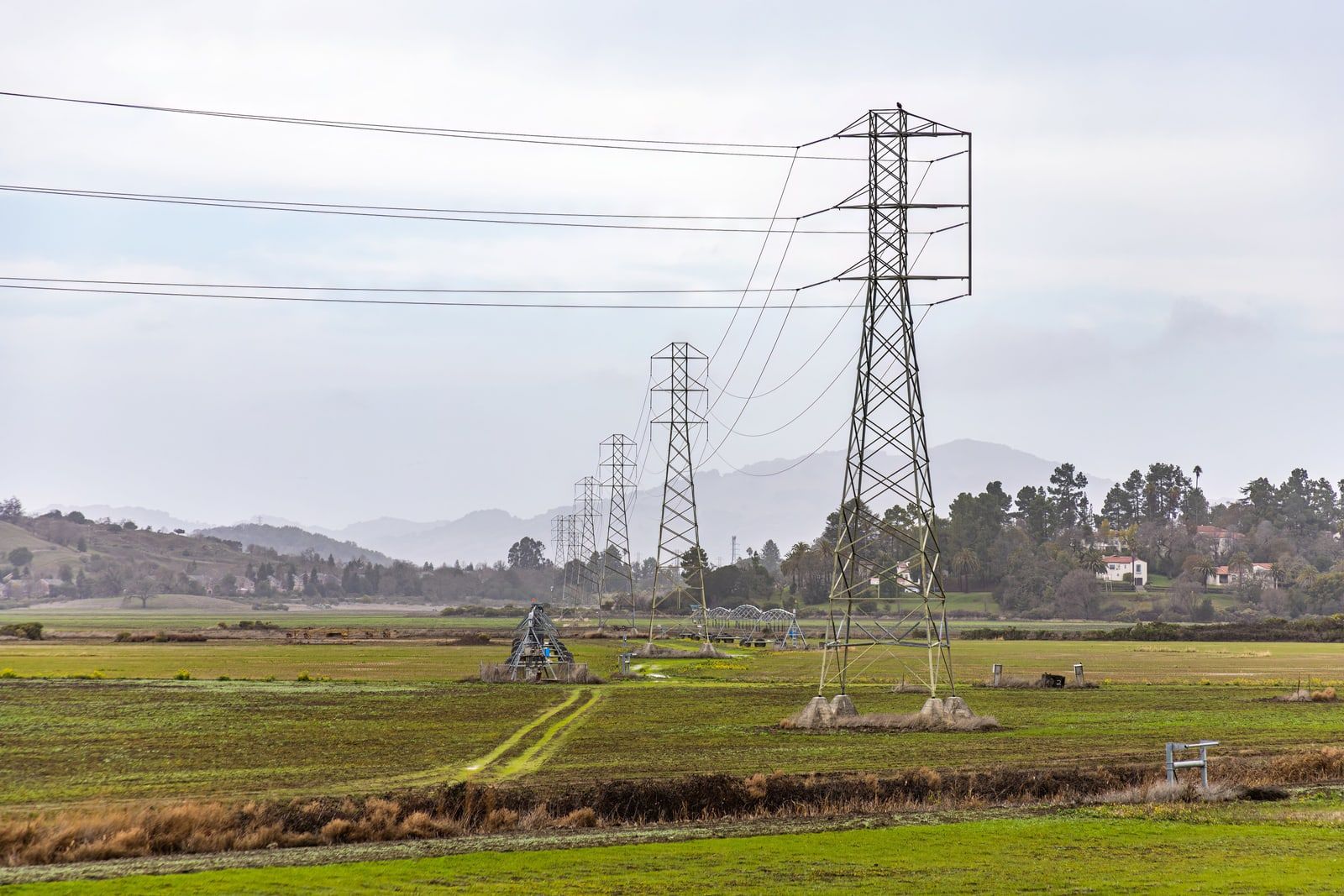
Projects with peak electricity demand above 25 megawatts must show they comply with the administration’s data centre framework in order to be permitted. TechCrunch reported that the framework requires those facilities to meet 100 percent of their electricity demand with clean generation — well above the state’s general clean energy law, which requires 40 percent by 2030 and rises from there.

There are three ways to satisfy it: build clean generation on site, fund new clean generation nearby, or pay into a new Ratepayer Protection Fund. The fund exists to compensate ordinary electricity customers for the power a data centre consumes until it has its own supply in place.
Healey put the logic plainly. “We’d like to have data centers be able to provide their own clean energy on day one,” she said. “And if they can’t, then they’re going to need to pay ratepayers for the energy that they consume until their own supply is in place.”
Part of a pattern across states
The order follows the administration’s earlier pause on data centre tax incentive applications, and TechCrunch reported that the sector’s sales tax exemption is paused pending the rules that implement it.

Massachusetts is not acting alone. Texas now requires audits for new facilities, and New York has halted construction of data centres above 50 megawatts. Three states with very different politics have arrived at the same conclusion in a few months: the grid cost of AI infrastructure is a state-level problem, and the developer should carry it.
What to watch
The number that matters is how many projects clear a community benefits agreement. A rule that makes each town a gatekeeper can either produce carefully negotiated projects or produce none at all, and Massachusetts will find out which within a permitting cycle.