A bigger number and a wider brief
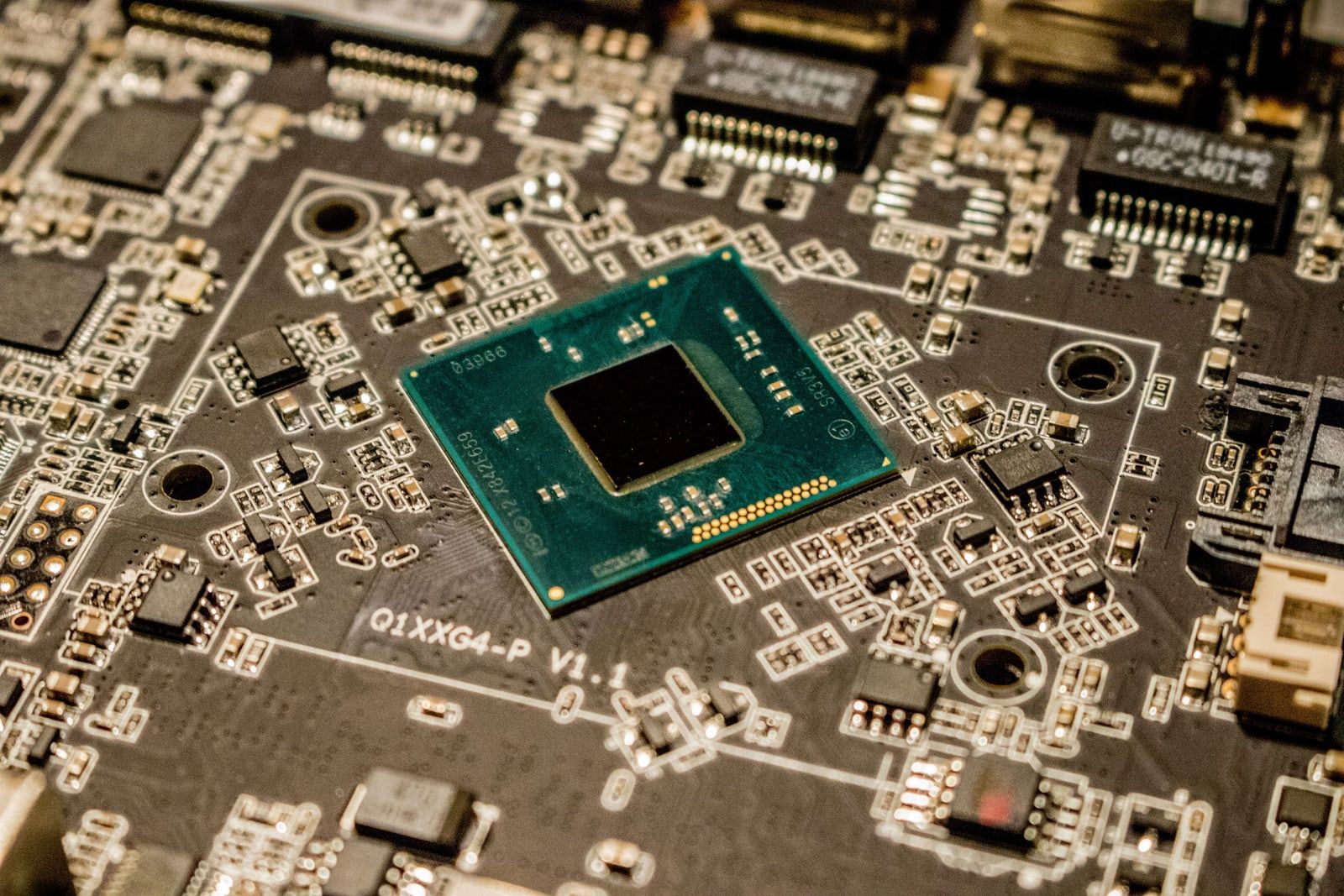
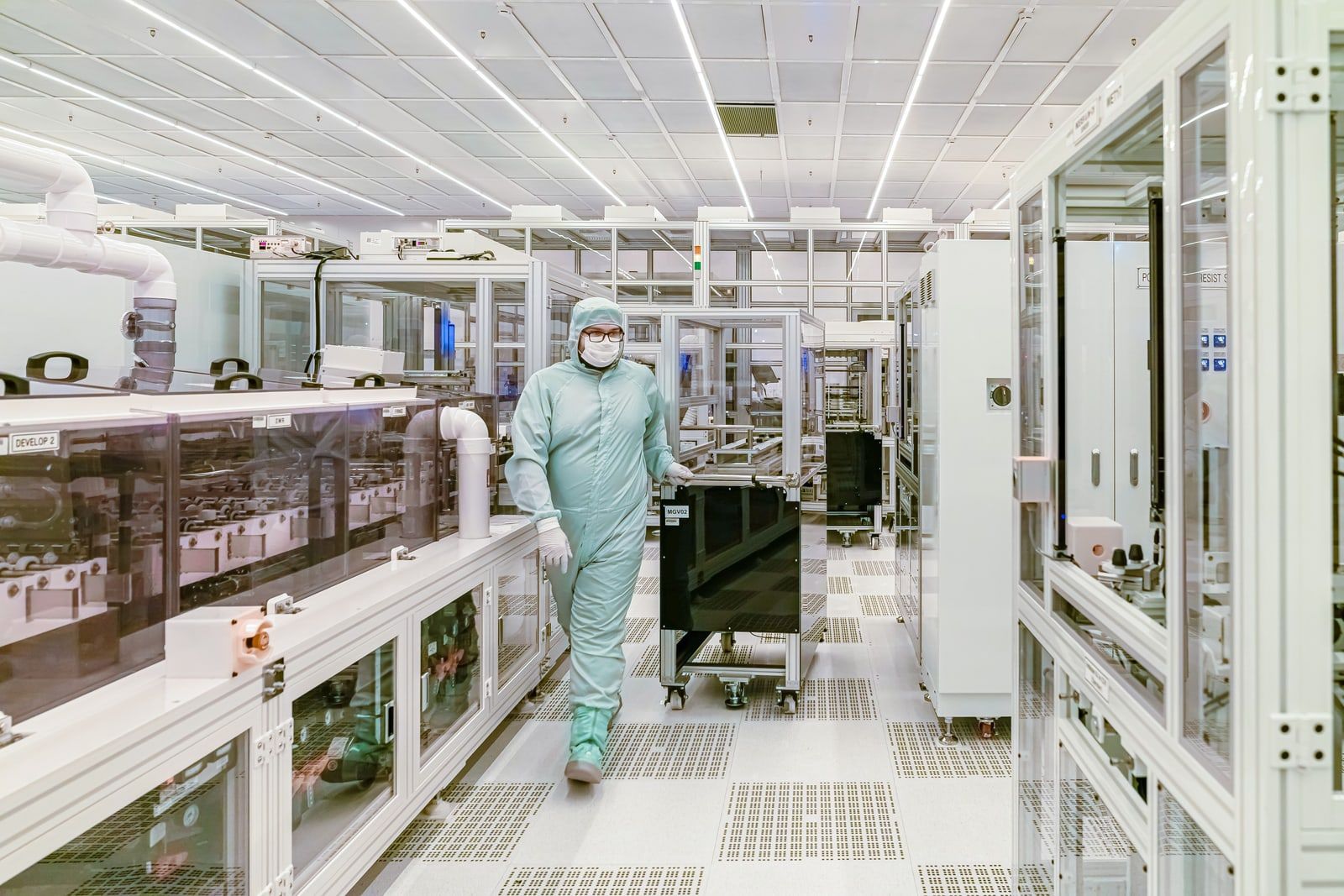
India launched the second phase of its semiconductor mission on 17 September at SEMICON India, raising the programme’s outlay from roughly $8bn to about $13.5bn and stretching it over twelve years.
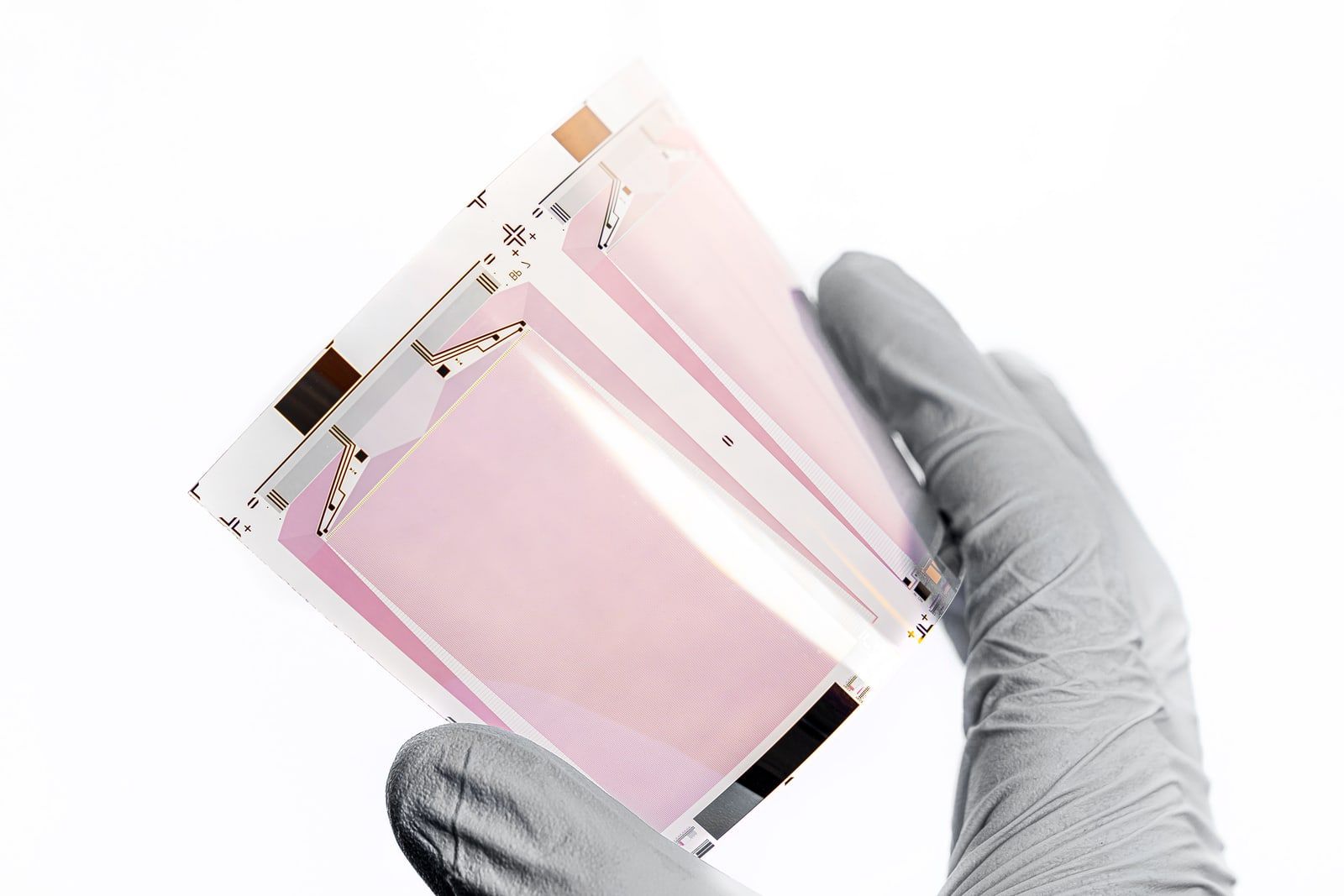
The change that matters more than the money is the scope. Phase one was aimed at getting wafer fabs and assembly and test plants built. Semicon 2.0 is organised around six pillars — chip design, machines and materials, fabs, advanced packaging, research and talent — which brings semiconductor equipment, materials, domestic intellectual property and design startups inside the programme for the first time.
The self-sufficiency target
The government’s stated aim is for domestic production to meet about 75% of India’s semiconductor demand by 2030. That is a demand-side target rather than a capability one: it says nothing about which process nodes the output is at, and India’s announced fabs are not at the leading edge.
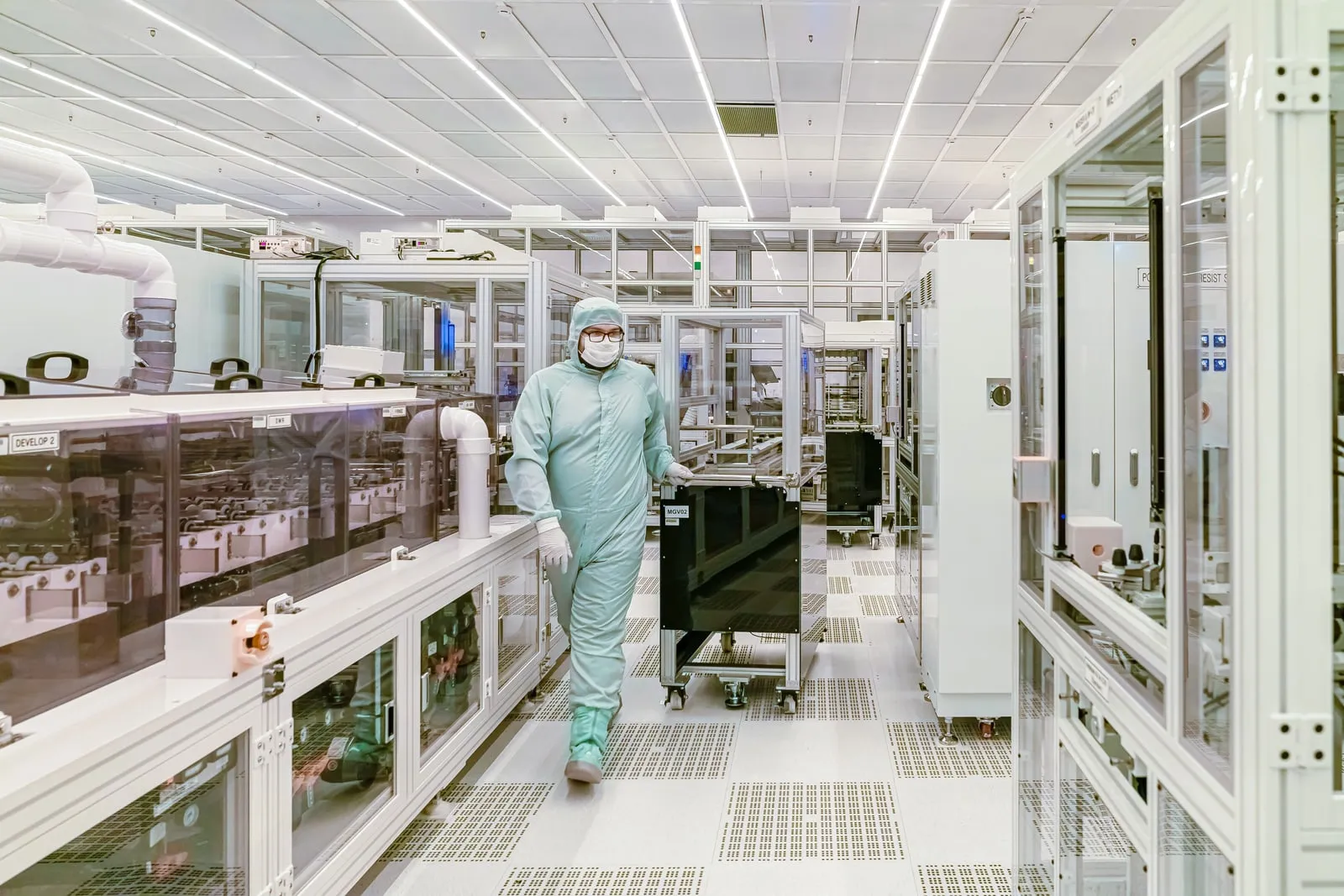
Two equipment makers commit
The same week, two of the three companies that dominate semiconductor manufacturing equipment announced India plans.
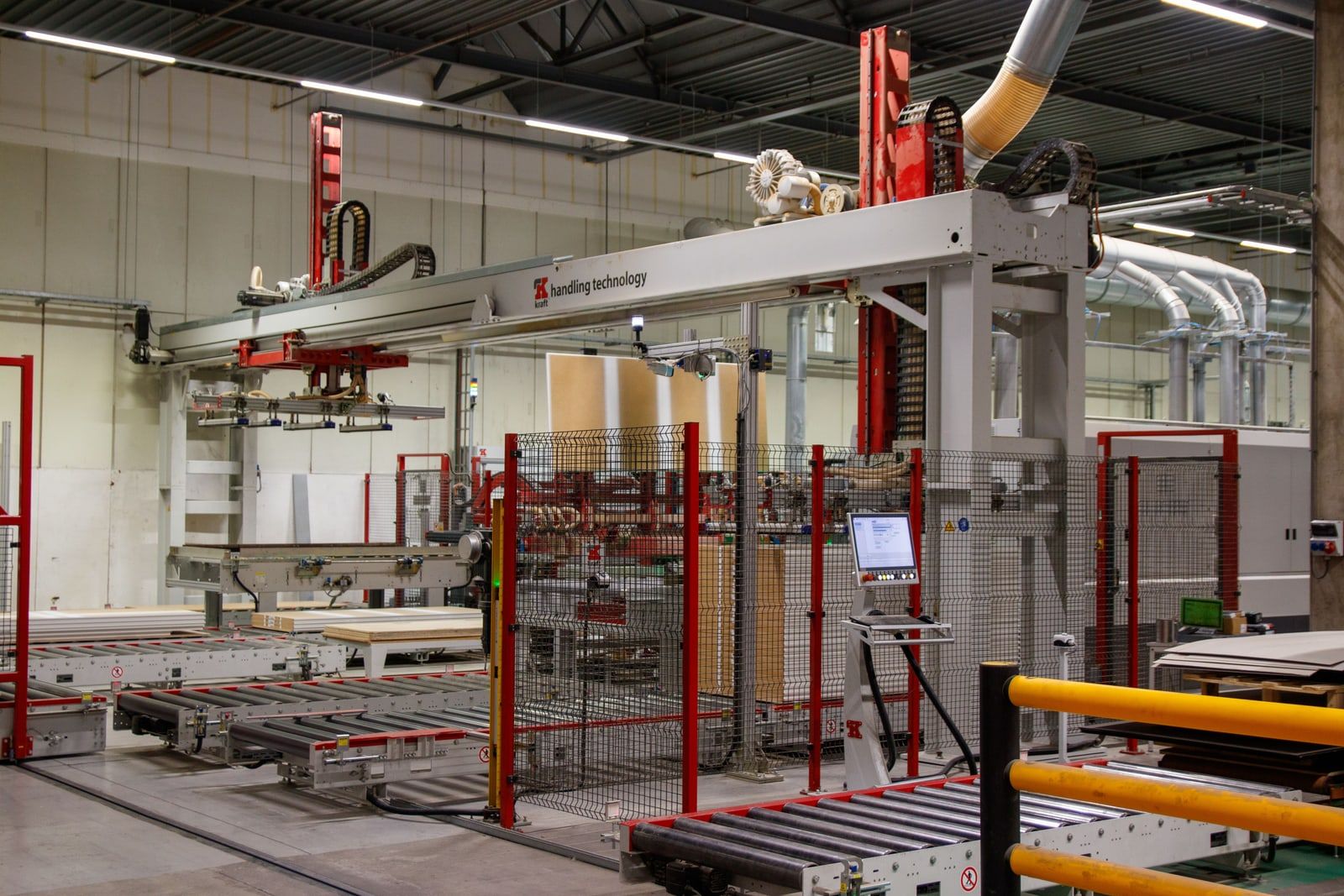
Applied Materials said it would invest $5bn in India over the next decade under a plan it calls India Vision 2035, including a 140-acre research park, and said it intends to grow its India-based supply-chain capacity tenfold by 2035. Lam Research said it would put roughly ₹10,000 crore into its first silicon component manufacturing facility in the country, covering silicon ingot production and processing for leading-edge nodes.
Equipment and materials are the part of the supply chain India has the least of, and the part that takes longest to build, which is why their presence in the pillar list is the substantive change.
The AI connection
This is industrial policy written in the shadow of AI demand. The global shortage is not in design talent but in fabrication capacity, advanced packaging and high-bandwidth memory — the same constraints that have pushed up Chinese chip prices this month and had Korean memory makers arguing with their government over power bills.
India is not competing for frontier AI accelerator manufacturing. It is trying to own a share of the layers underneath, where the barriers are lower and the demand is just as durable.
What to watch
Whether the announced investments convert into commissioned plants. Phase one’s record on this is the fair benchmark: announcements have consistently run ahead of production, and two more plants were reported entering production alongside this launch.