A pledge, not a PAC
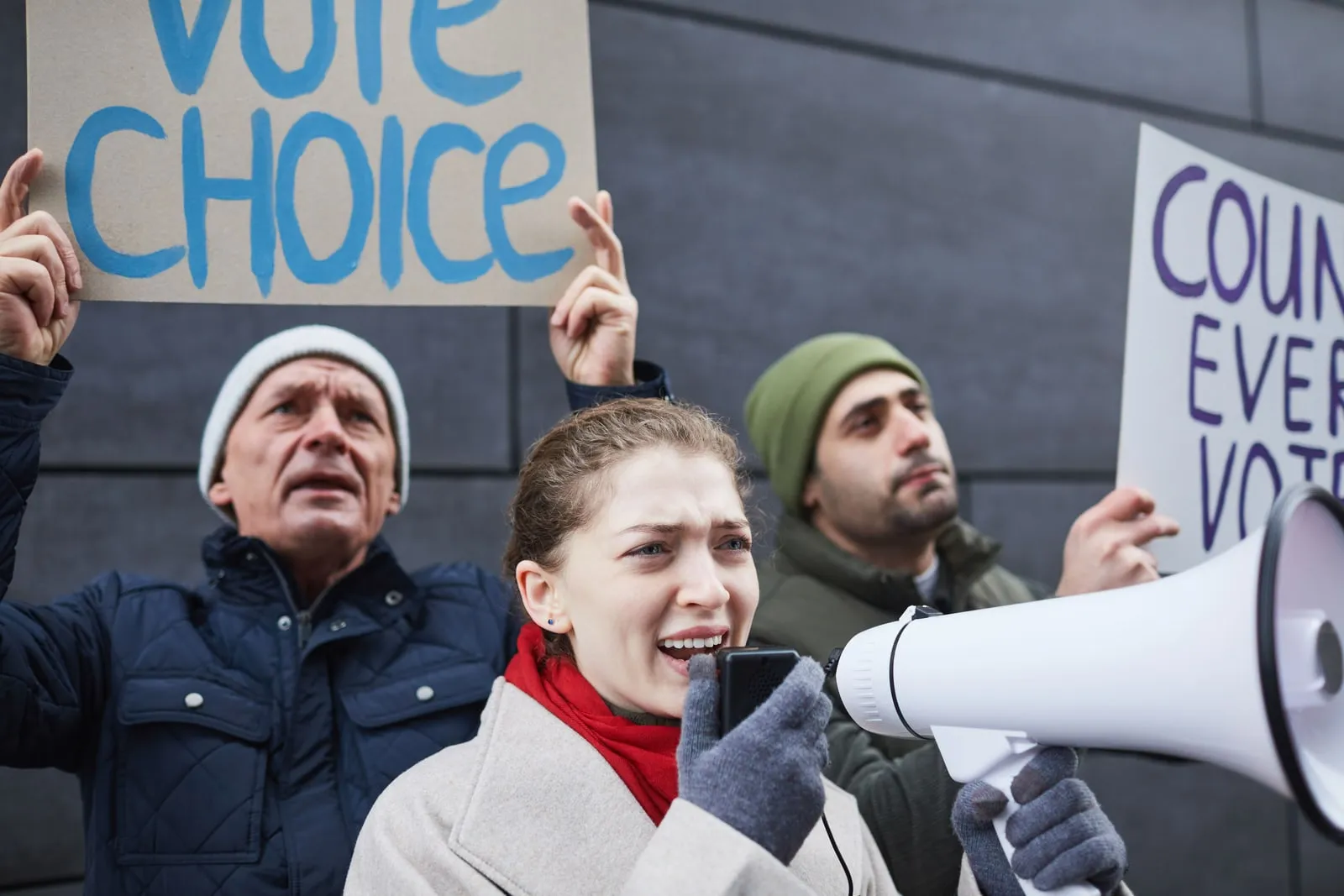
A coalition of 52 progressive organisations launched a campaign on Wednesday asking candidates and elected officials to refuse contributions from Leading the Future, the super PAC network that backs candidates favouring light-touch AI regulation and opposes those who want tighter rules.
The campaign is called Stop Bleeding the Future and is led by QuitGPT, a grassroots group that has spent the year protesting outside OpenAI offices and lobbying against federal preemption bills. The pledge commits signatories to refuse all money from the PAC and to condemn its efforts to stop what the coalition calls commonsense AI laws.
The inaugural signatories are Senator Ed Markey, Representative Greg Casar and eight congressional candidates. Representative Pat Ryan of New York’s 18th district has also signed, telling The Register that “the Big Tech oligarchs behind Leading the Future only care about their profits.”
The money on the other side
Leading the Future launched in 2025 and its network has raised more than $140m for the 2026 election cycle, which makes it one of the largest single-issue political operations in recent US history. Its backers include Andreessen Horowitz, OpenAI president Greg Brockman and Palantir co-founder Joe Lonsdale.
That sum is the whole argument on both sides. The PAC’s case is that state-by-state AI rules will fragment the market and that federal preemption is the fix. The coalition’s case is that a hundred and forty million dollars of industry money is itself the reason to distrust the fix.
Why a pledge rather than a counter-PAC
The coalition has nothing approaching $140m and is not trying to raise it. A pledge works differently: it converts industry money from an asset into a liability by making acceptance of it a thing an opponent can name in an advert.

Whether that works depends entirely on whether AI is salient to voters in a way that makes the association costly. Pew published data on Thursday showing that 71% of Americans expect AI to reduce the number of jobs, up seven points in two years. That is the sort of number a campaign like this is built on.
What happens next
The test is arithmetic. Ten signatories is a start, not a bloc; the number to watch is how many more sign before the midterms, and whether any of them are incumbents in competitive seats rather than safe ones. Refusing money you were unlikely to receive is cheap. Refusing money you could have used is the signal.
The other thing to watch is whether the pledge stays narrow. It currently names one PAC network. A version that asked candidates to refuse all AI industry money would be a much harder document to sign, and a much more consequential one.