A research agreement, not a purchase
The US Coast Guard has told the Federal Register it intends to enter a Cooperative Research and Development Agreement with a company called LOOKOUT to test what the notice calls “Super Intelligence (SI) situational awareness tools” on Coast Guard sensor feeds during search and rescue operations.
The notice of intent, filed on 23 October and published under docket number USCG-2026-0374, says the goal is to “assess Super Intelligence for automated target detection and establish a reliable coverage-factor value supporting data-driven Lateral Range Curve (LRC) results for Search and Rescue (SAR) operations.” The Lateral Range Curve is the function search planners use to express how likely a sensor is to spot an object at a given distance — the number that decides how wide a search pattern has to be.
Comments are due by 25 November, through regulations.gov.
The term appears nowhere in the abbreviations list
The notice opens with a Table of Abbreviations, as Coast Guard notices do. It defines three: CG for U.S. Coast Guard, DHS for Department of Homeland Security, and U.S.C. for United States Code. It does not define SI, the term in the document’s own title and the thing the whole agreement is about.
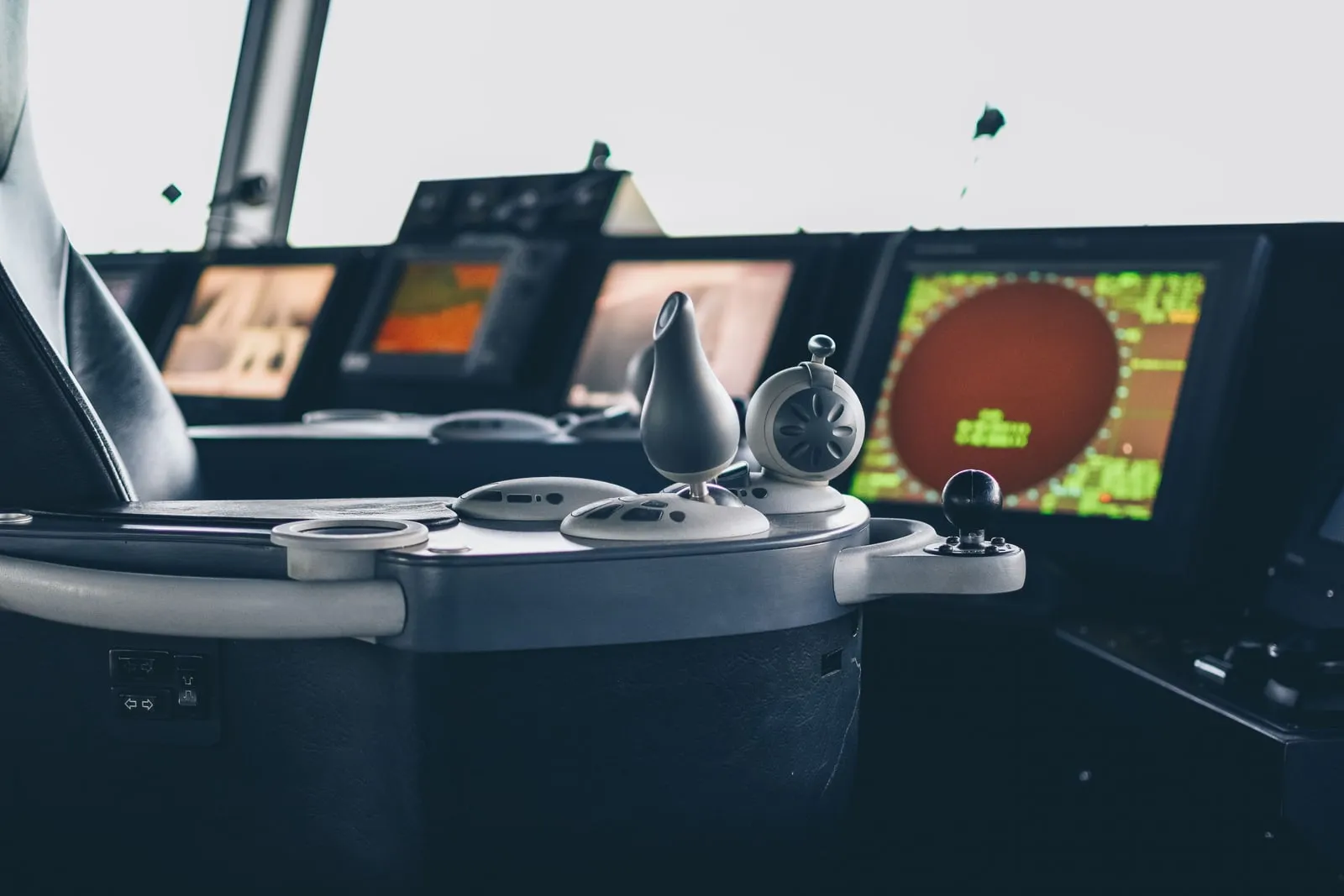
The body of the notice is less dramatic than the headline. In section IV, describing what the two parties will actually do, the same technology is called “artificial intelligence enabled situational awareness tools designed to augment existing SAR workflows and generate critical performance data to inform future operational adoption.” Nothing in the document describes a system that reasons, plans or generalises. What it describes is automated detection, classification and tracking of targets in video.
The requirements point the same way. Proposed tools must be “high technology-readiness-level, commercially available, self-contained, portable, capable of edge computing, and compatible with video-feed-agnostic sensors.” That is a specification for a box that runs on a boat, not for a frontier model.
What the Coast Guard says it wants
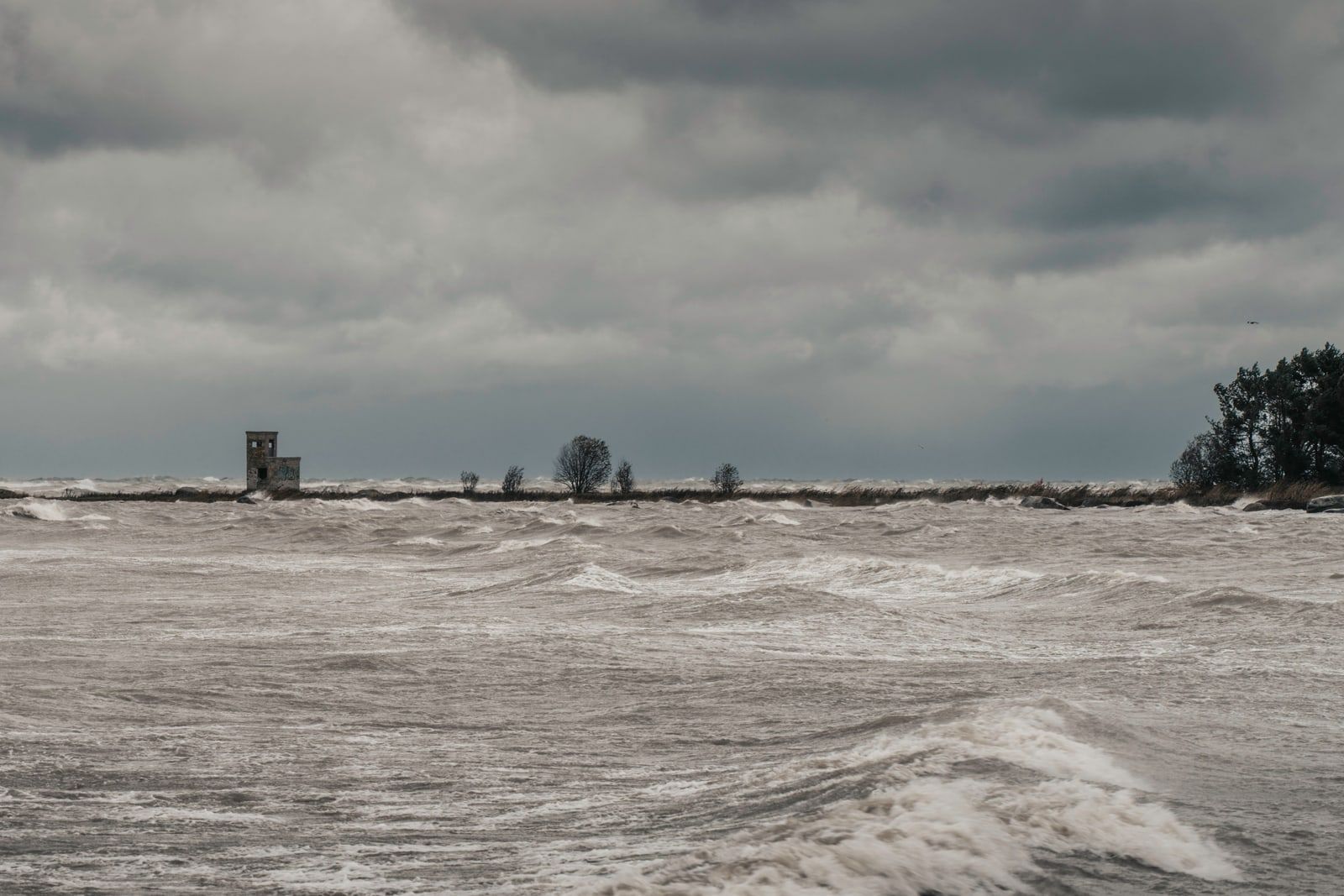
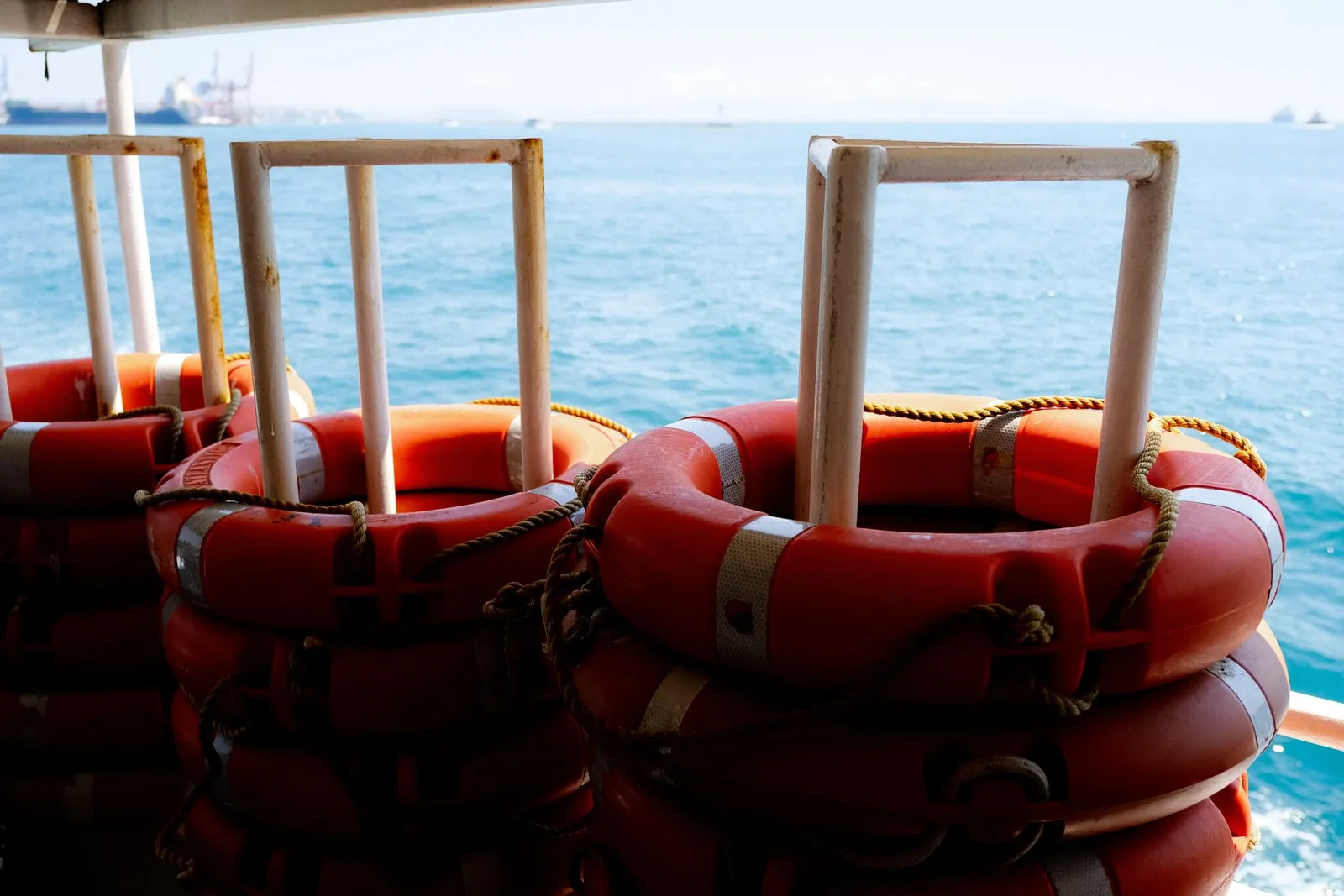
The operational case in the notice is specific. The service says incorporating these tools “may allow the CG to automatically detect, classify, and track targets while addressing variables, such as low light, fog, precipitation, and rough sea states” — the conditions under which human lookouts are least reliable and under which people in the water have the least time.
A second goal is measurement rather than capability: the Coast Guard wants to “characterize SI system confidence and operational performance, to build a measurable evaluation tool that could reduce the CG’s barrier to integrate SI tools.” In other words, it wants a way to decide whether to trust the output before it builds the output into a search plan.
No money changes hands
A CRADA is not a contract. The notice is explicit that CRADAs are authorised under 15 U.S.C. 3710a, that “the Federal party does not contribute funding,” and that “CRADAs are not procurement contracts. Care is taken to ensure that CRADAs are not used to circumvent the contracting process.”
The Coast Guard’s contribution is staff, travel and “data feeds as required to support test objectives.” LOOKOUT’s side is staff, travel, installation of equipment and software, technical support and a share of the summary report. The Coast Guard says it is considering LOOKOUT because the company “has demonstrated its technical ability and availability of SI tools that are ready to be deployed, evaluated and operated in a CG test environment with CG sensor feeds,” while adding that it does not wish to exclude other viable participants.
Other proposals are capped at five single-sided pages. “Special consideration will be given to small business firms and consortia, and preference will be given to business units located in the United States.”
What to watch
The comment window closes on 25 November, and the Coast Guard says it will not respond to comments in the Federal Register but will reply to commenters directly and “may modify our proposal in light of comments.” The notice is signed by Captain P.J. Granati, commanding officer of the Coast Guard Research and Development Center.
The substantive thing to watch is the coverage factor. If the agreement produces a defensible number for how reliably an automated detector spots a person in the water in fog, that number will end up inside search planning software, and it will change how large an area the Coast Guard searches for how long. That is a bigger deal than what the technology is called.