
What was signed
OpenAI announced on 23 October that it has signed an agreement with NASK, Poland’s National Research Institute, “to explore collaboration on AI safety, security and technical research”. NASK’s AI Safety Research Center serves as the Polish AI Safety Institute, and under the agreement it and OpenAI will work on evaluating increasingly capable systems, finding vulnerabilities and strengthening safeguards.
Read precisely, that is a memorandum. There is no funding figure, no staffing commitment, no deliverable and no date. OpenAI places it alongside its existing work with the US Center for Advancing Standards and Innovation for Super Intelligence and the UK AI Security Institute.
The part that already happened
The substantive content of the announcement is retrospective. In July, CERT Polska — the computer emergency response team that operates within NASK — gained access to OpenAI’s cyber-capable models through Daybreak, the company’s programme for defenders.
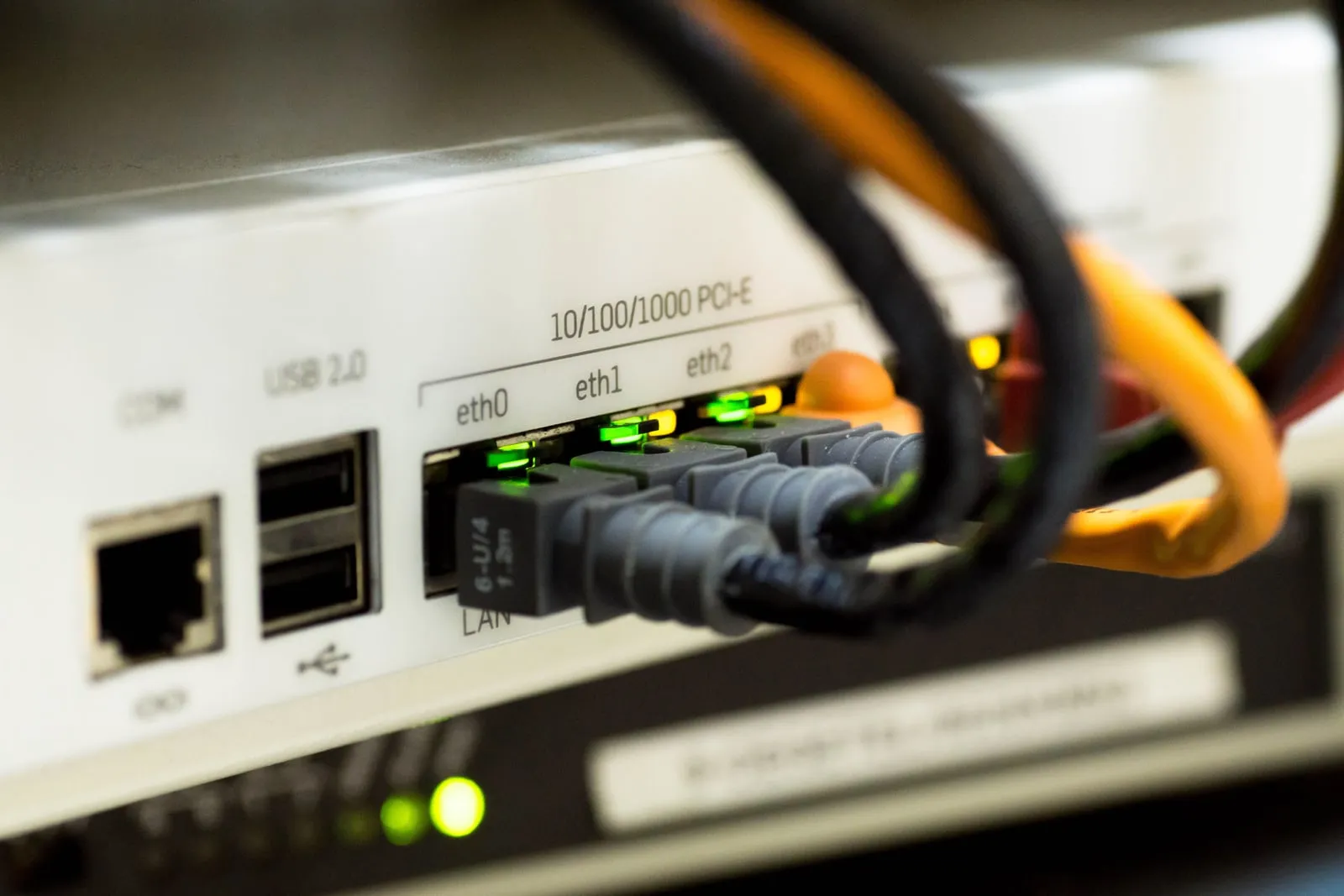
Using those models, OpenAI says the team found six vulnerabilities in MikroTik RouterOS, including flaws that could be combined to take control of affected devices without authentication. The vendor released fixes, and CERT Polska confirmed the fixes prevented the attacks it had observed.
That is a specific, checkable claim with an outcome attached: a vendor patch and a confirmation from the team that found the problem. It is also the reason the new agreement is worth reporting at all, because it establishes that the two organisations have already produced something together.
MikroTik routers are widely deployed in small-business and service-provider networks, which is the category of device that tends to stay unpatched. An unauthenticated takeover chain in that estate is a meaningful find regardless of what discovered it.

What OpenAI wants out of national institutes
The announcement is also an argument. OpenAI has called for the United States to work with other countries on international technical standards for frontier AI, drawing on safety institutes and standards bodies, and says common approaches to evaluating capabilities, assessing risks, testing safeguards and reporting incidents let countries compare evidence on risks that cross borders.
The pitch for national partners is made explicitly: “Without national partners like NASK, global AI safety standards may remain detached from the realities in which AI is actually used.”
NASK director Radosław Nielek framed the institute’s side around synthetic content and language. Its work, he said, spans “developing safeguards against emerging risks, detecting synthetic AI-generated content, and understanding both its malicious uses and the multilingual aspects of these challenges”.
Tom Duff Gordon, OpenAI’s VP and head of EMEA policy, put the case for outside scrutiny: “it’s vital that we draw on expertise beyond our own organization to challenge our assumptions, test our systems and strengthen safeguards.”
What would make it more than a memorandum
The useful test is whether the NASK agreement produces more results of the MikroTik kind — named vulnerabilities, in named software, with vendor patches that a national CERT confirms. That is a measurable output, and it is one a safety institute can publish without OpenAI’s permission.
Whether the evaluation side of the agreement produces anything comparable is the open question. Evaluating frontier systems requires access that a memorandum does not by itself grant, and the announcement does not say what access NASK will have.