What was published
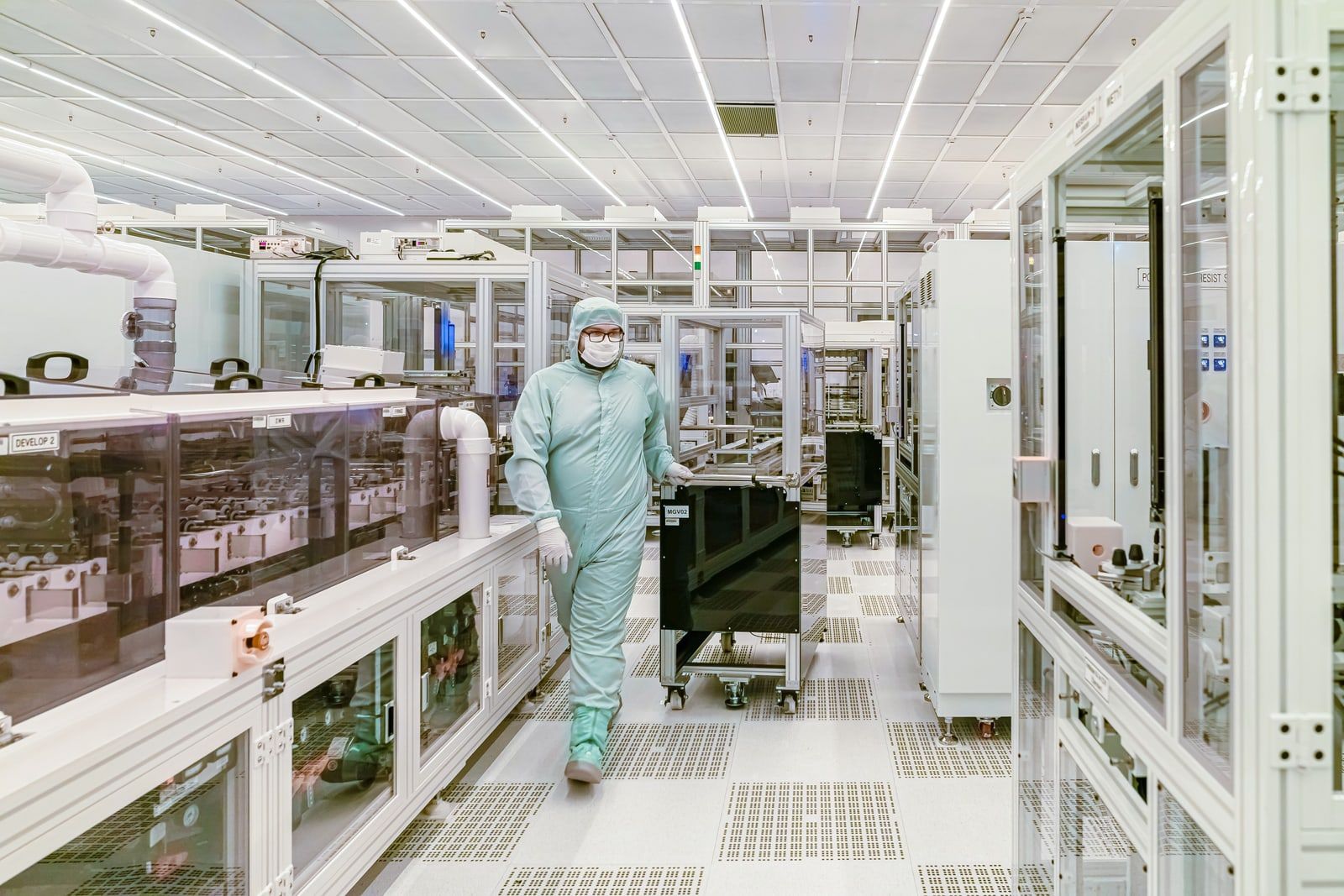
China’s Ministry of Industry and Information Technology and the National Development and Reform Commission, the state planner, have issued a development plan for the electronic information manufacturing industry for the 15th Five-Year Plan period, 2026 to 2030. The plan was published on 15 September.
By 2030, companies in the sector with annual revenue of at least 20 million yuan should have combined revenue above 30 trillion yuan, China Daily reports, with research and development spending at 3.5% of revenue. The plan names integrated circuits, advanced computing, consumer electronics, basic electronics and energy electronics as the fields where China should build competitive strengths.
According to the Global Times, the target implies adding about 10 trillion yuan of revenue in five years. The ministry says the industry’s first-half revenue was 9.41 trillion yuan, up 18.5% on a year earlier, and profit rose 96.9% to 577.7 billion yuan.
Chips come first
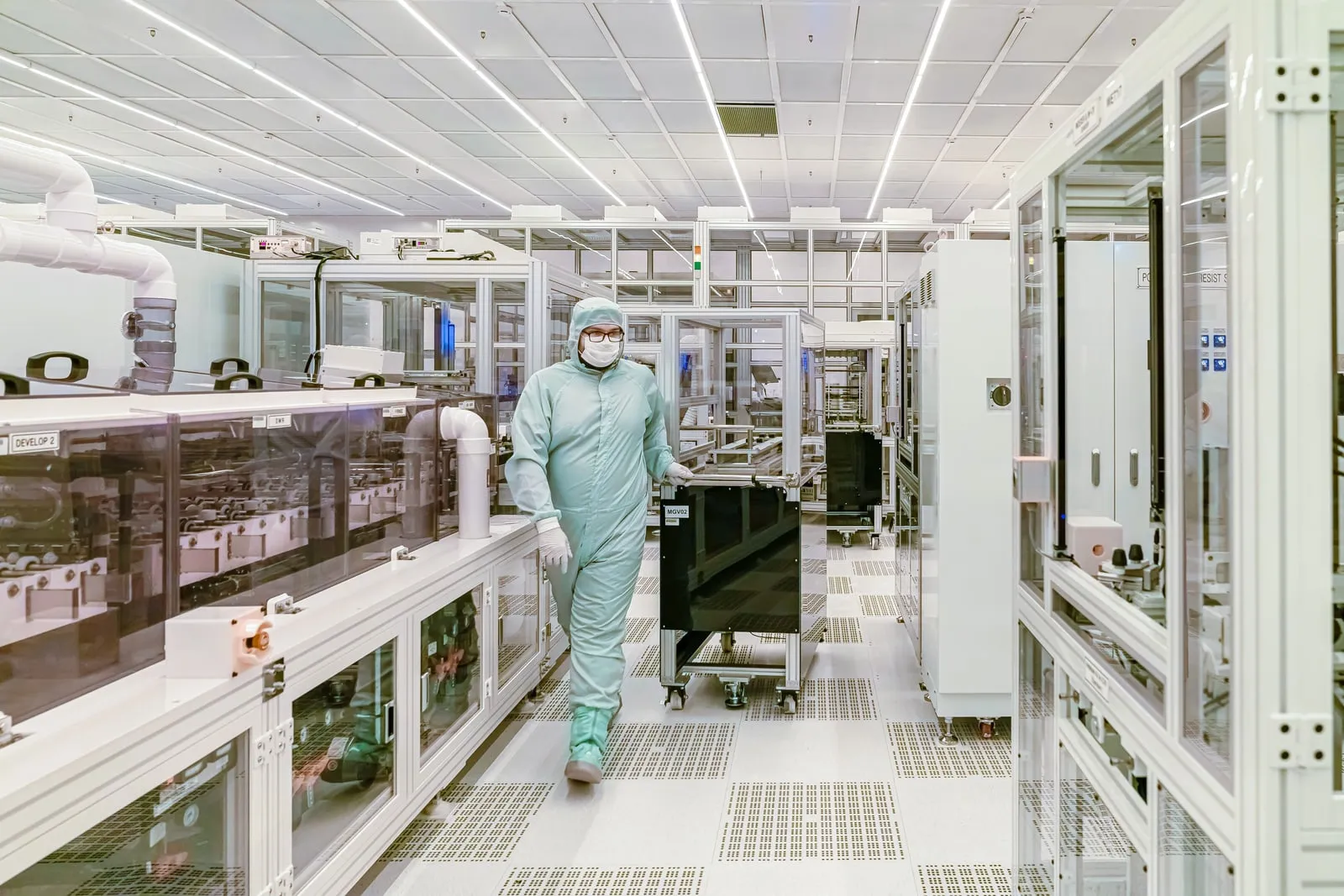
The plan has 17 tasks and nine specific projects. The first priority under strengthening industrial foundations is achieving full-chain breakthroughs in integrated circuits, to meet the needs of AI, next-generation communications, aerospace and intelligent devices.
The Global Times says that chain covers high-performance processors, high-density memory and reliable analog chips, improving mature manufacturing processes while advancing leading-edge ones, ultra-wide-bandgap semiconductors such as gallium oxide and diamond, and electronic design automation tools.
“The new plan has explicitly written the words ‘solving choke points’ into its 17 key tasks,” Zhang Xiaorong, director of the Beijing-based Cutting-Edge Technology Research Institute, told the paper. Zhang said the biggest gaps are in lithography machines, design software, high-end materials and advanced chip manufacturing.
Computing and AI
Beyond semiconductors, the plan prioritises new computing approaches, including in-memory, quantum and space-based computing, and supports AI clusters of hundreds of thousands of chips, the Global Times reports.
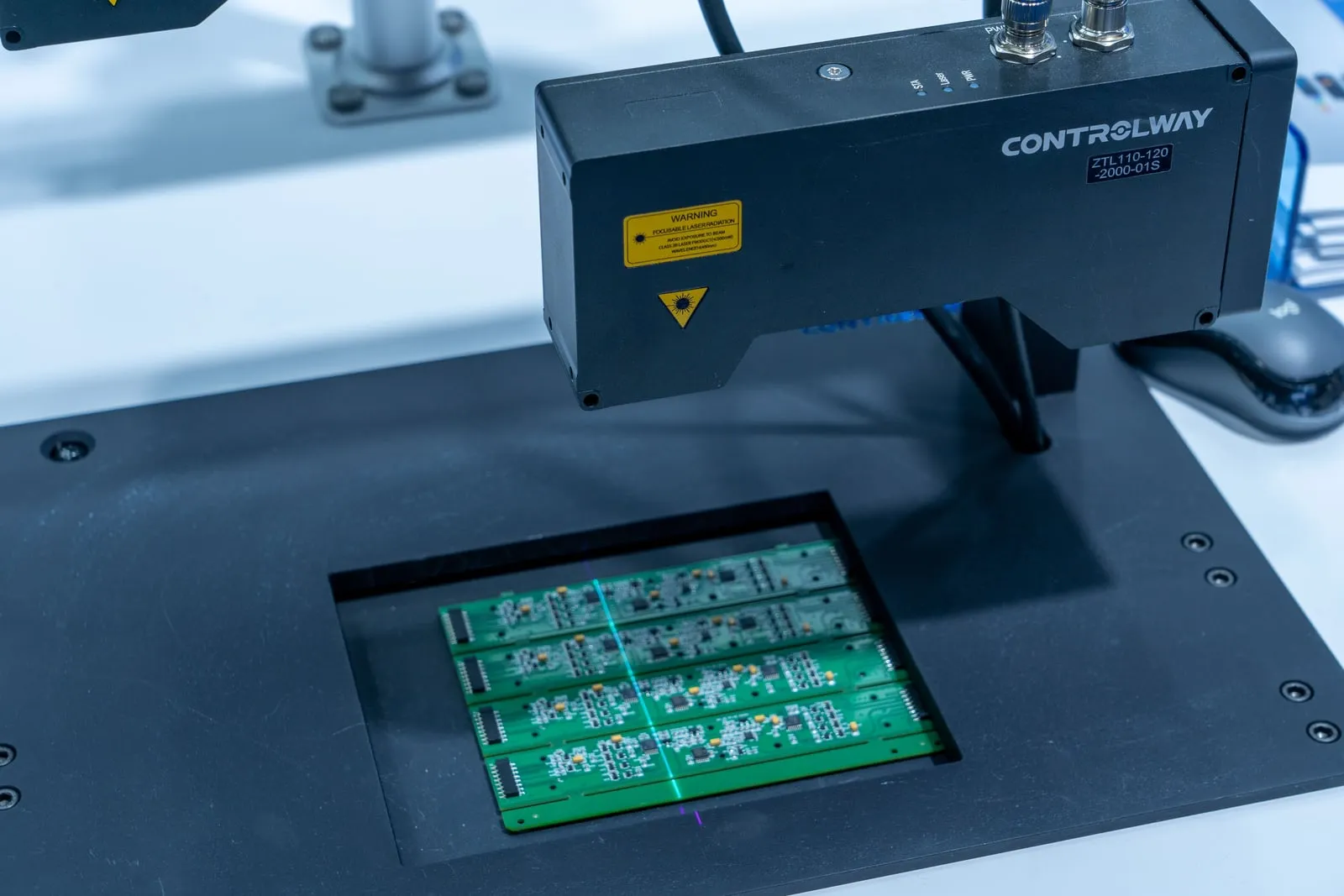
The plan lands as China’s computing build-out accelerates. The ministry said at a conference in Langfang that the country’s intelligent computing capacity reached 2,185 EFLOPS, or exa floating-point operations per second, at the end of June, up 177% from a year earlier, China Daily reports.
What it means
The plan is a target-setting document rather than a spending programme, and it does not name funding amounts. Its weight is in the ordering: chipmaking, including the tools and materials where Zhang sees the largest gaps, sits at the top of the list. The detailed projects that ministries and provinces issue to carry it out will show how much money follows.