A number, a date and a budget
China’s Ministry of Industry and Information Technology released its 15th Five-Year Plan for the information and communications industry on Monday. China Daily reported that the plan targets 9,800 exaflops of intelligent computing capacity and 1,700 exabytes of advanced storage capacity by 2030.
It also sets an industry revenue target of 4.1 trillion yuan, around $611 billion, and cumulative information infrastructure investment of 3.8 trillion yuan across the 2026 to 2030 period.
Those are national targets rather than commitments by any one company, and they are the kind of number a ministry publishes precisely so that provincial governments and state-owned operators build against it.
What it would take
The South China Morning Post reported that reaching 9,800 exaflops would require more than a fourfold increase on where the country stands now.
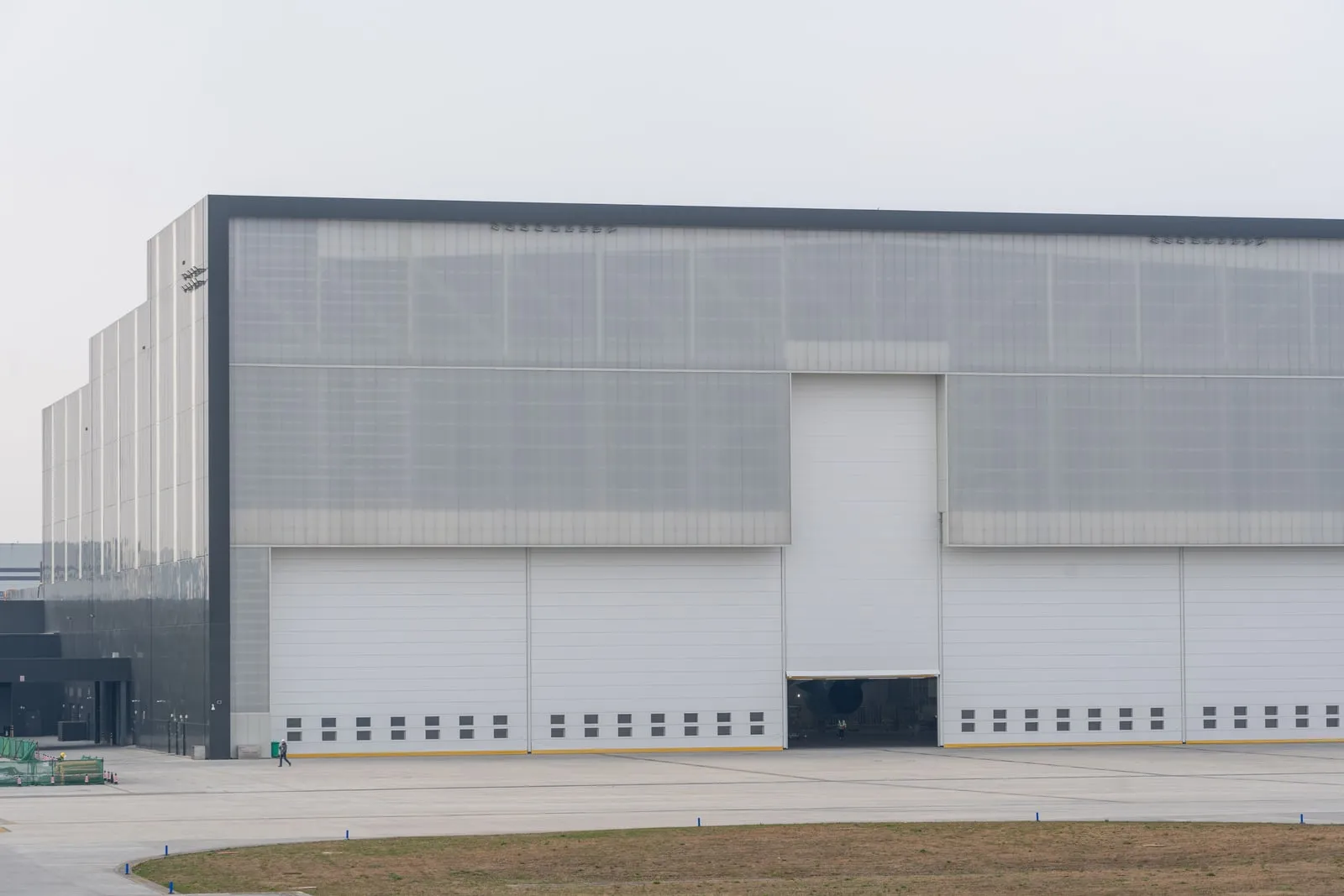
Ministry figures put intelligent computing capacity at roughly 2,185 exaflops at FP16 precision at the end of June 2026, up 177% year on year, and at around 2,450 exaflops by the end of July. Fifty-two intelligent computing facilities with 10,000 or more accelerator cards have already been built.
The plan calls for the “orderly deployment” of further clusters at the 10,000-card scale and at 100,000 cards or more, alongside inference computing facilities tailored to particular applications. It is an explicit split between the sites that train models and the far larger number of sites that serve them.
The domestic chip clause
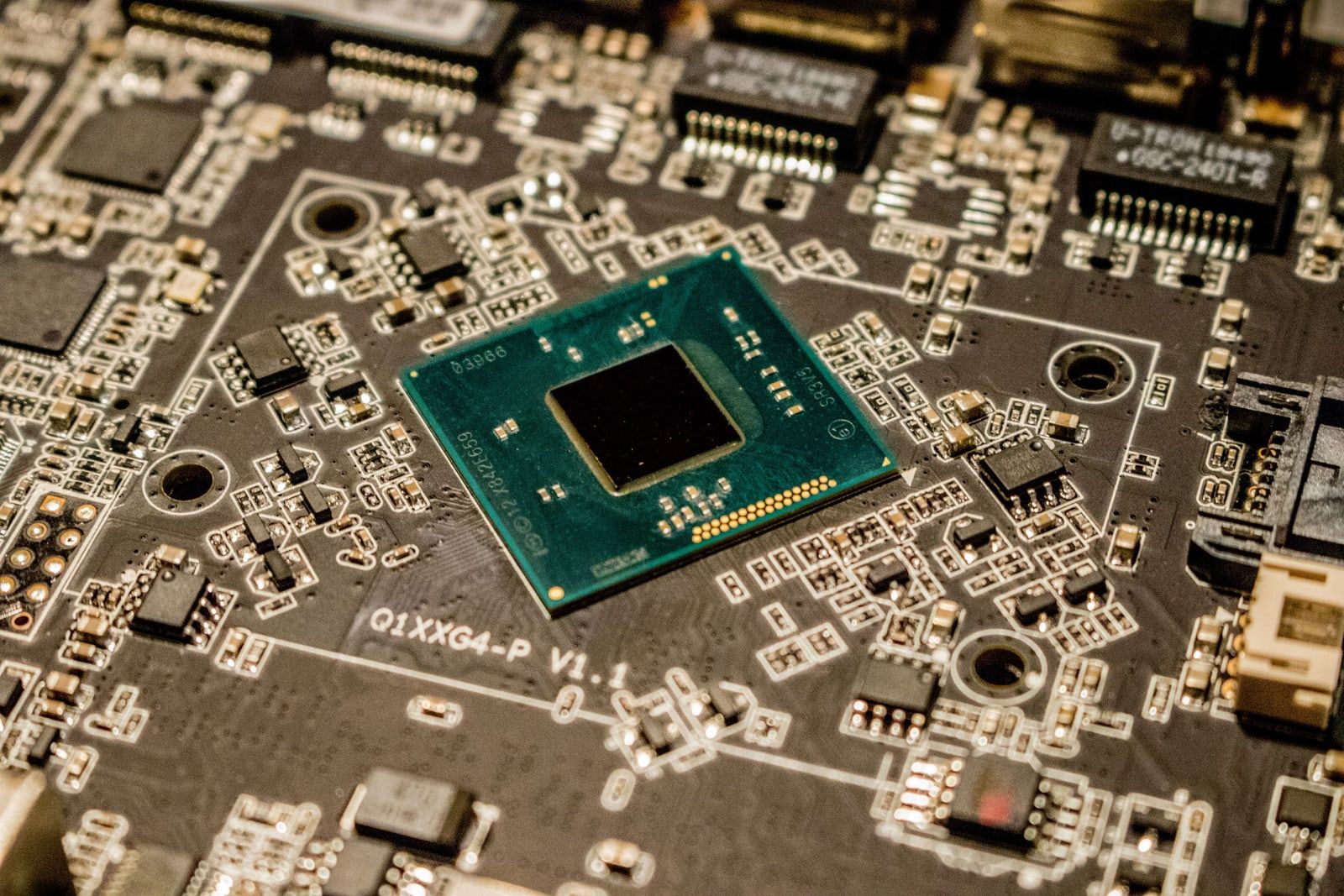
The part that matters most outside China is the instruction to adapt infrastructure to home-grown computing chips. Export controls have made access to Nvidia’s top parts unreliable, and a national plan that specifies capacity in exaflops rather than in units of any particular accelerator is one that can in principle be met with domestic silicon at lower per-chip performance, by building more of it.

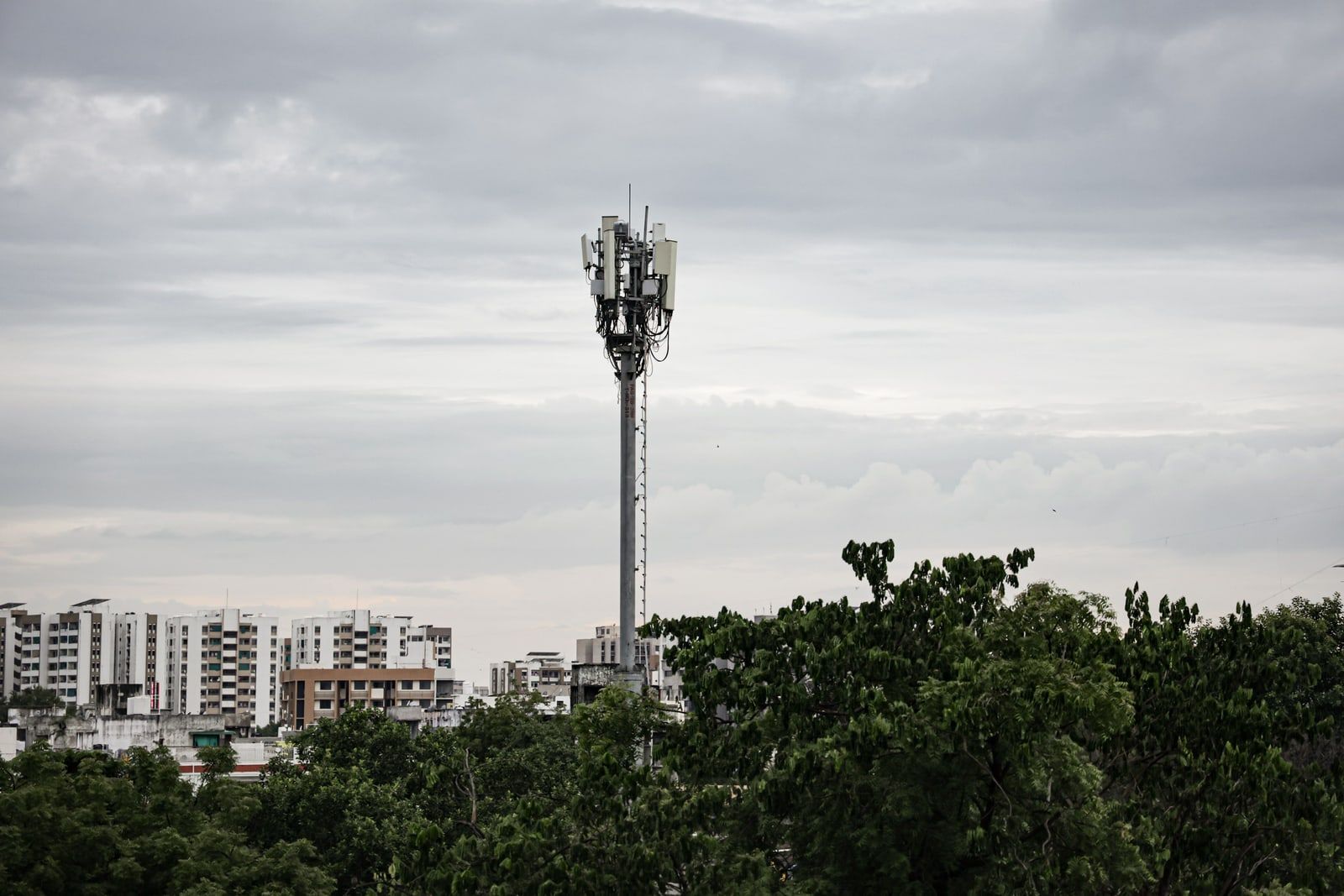
The plan extends the “East Data, West Computing” programme launched in 2022, which routes compute demand from the eastern seaboard to eight national computing hubs and ten data-centre clusters further inland, where power is cheaper. It also sets network targets: 50 5G and 5G-Advanced base stations per 10,000 people, 95% 5G user penetration, more than 320 million gigabit broadband users and 6.5 billion terminal connections.
What to watch next
The test of a five-year plan is the annual implementation documents that follow it and the provincial capital budgets that fund it. Two figures will show whether the target is real: how much of the new capacity is built on domestic accelerators, and what the utilisation rate looks like. The ministry has previously put overall rack utilisation across national computing facilities at 71.4%, which is the kind of number that falls quickly if capacity is added faster than demand for it.