A first, and a narrow one
AMD shares rose close to ten per cent on Monday and touched an intraday record of $613.92, carrying the company’s market value above $1trn for the first time. The threshold was narrow: the stock needed to close above $612.56 to hold the trillion, and it slipped back during the session.
Reuters counts AMD as the fourth US chip company to reach the mark, after Nvidia, Broadcom and Micron. The stock is up more than 180 per cent this year and nearly 30 per cent in September alone, its largest monthly gain since May.
What changed in the business
The explanation analysts give is not a single product. AMD has moved from selling individual processors to selling complete systems that combine processors, networking equipment and the hardware around them — the same shift Nvidia made when it began shipping racks rather than boards.
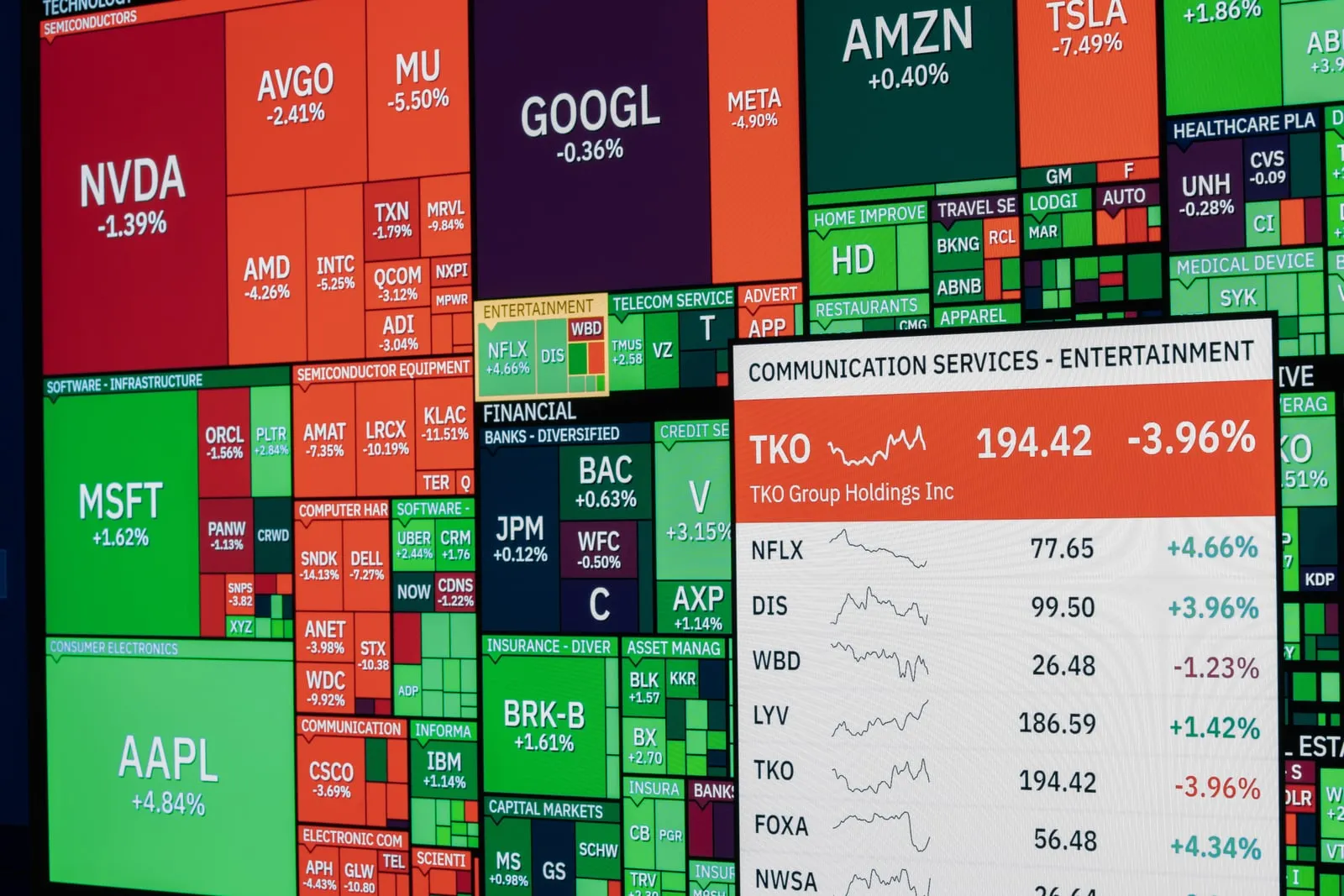
The second driver is less glamorous and possibly more durable: demand for central processors that sit alongside GPUs in inference servers. Every accelerator in a serving fleet needs a host, and inference fleets are growing faster than training clusters.
The day around it
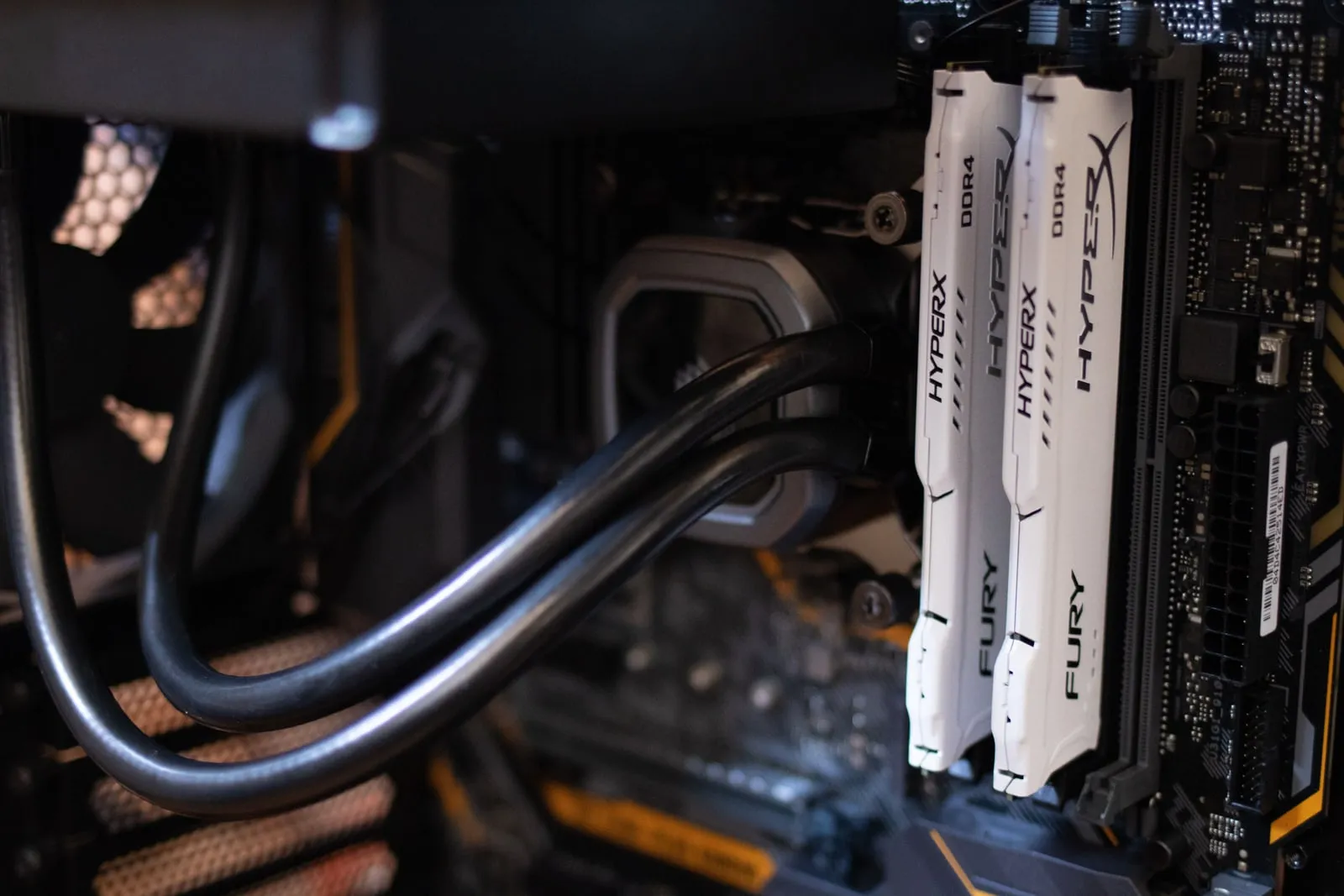
Monday was a broad chip rally rather than a single-company story, as Semafor noted. Meta rose more than eleven per cent on the same day, with its Muse assistant sitting at the top of Apple’s free US App Store chart.
What the number does and does not say
A market capitalisation is a price multiplied by a share count. It is a statement about what investors expect, not a measurement of shipped silicon, and the gap between the two is the whole question hanging over AI hardware this year. AMD does not report its next quarter for several weeks.
What the milestone does mark is that the market has stopped treating AI compute as a single-supplier trade. Three years ago a bet on AI hardware was a bet on one company. A fourth chipmaker crossing a trillion dollars says the money is now spread across the supply chain — accelerators, networking, memory and the processors that host them.
What to watch
Whether AMD holds above the line on a closing basis, and what its next results say about the mix between system sales and component sales. The systems business is the part of the story that justifies the re-rating; the component business is the part that has to keep paying for it.