Washington puts an incident line on the table
US Treasury Secretary Scott Bessent said on Sunday that the United States has proposed a notification mechanism with China for artificial intelligence incidents serious enough to raise national security concerns. He said both governments had also agreed to set up a dedicated AI dialogue.
Bessent made the proposal to Chinese Vice-Premier He Lifeng during talks in New York, the Associated Press reported. “We want a shared vision of common goals and common threats,” he said, arguing that moving from opaque to more transparency between what he called the number one and number two AI powers in the world mattered to both countries.
The meeting took place at JPMorgan Chase’s headquarters in New York, according to Al Jazeera. US Trade Representative Jamieson Greer and China’s chief trade negotiator Li Chenggang also took part, and a working group was due to continue the discussions the following day.
What it would not cover
Greer said export controls on advanced AI chips and semiconductor manufacturing equipment are not part of the proposed mechanism. That leaves out the single most contested item in the technology relationship between the two countries, and narrows the proposal to something closer to a safety line than an arms-control channel.

What would run through it has not been spelled out in public. Bessent described incidents serious enough to raise national security concerns, without saying who would decide that a given event qualifies, how quickly a warning would have to be sent, or whether either government would be obliged to send one at all.
Beijing calls the talks constructive
Chinese state media described the exchanges as candid, in-depth and constructive, Al Jazeera reported. Li Chenggang said the discussions took place in a good atmosphere, according to a Bloomberg report cited in the same account.
Neither side has said Beijing accepted the proposal. What both confirmed is the dialogue itself — a standing channel on AI, separate from the trade track that has dominated contacts between the two governments this year.
Four days before the leaders meet
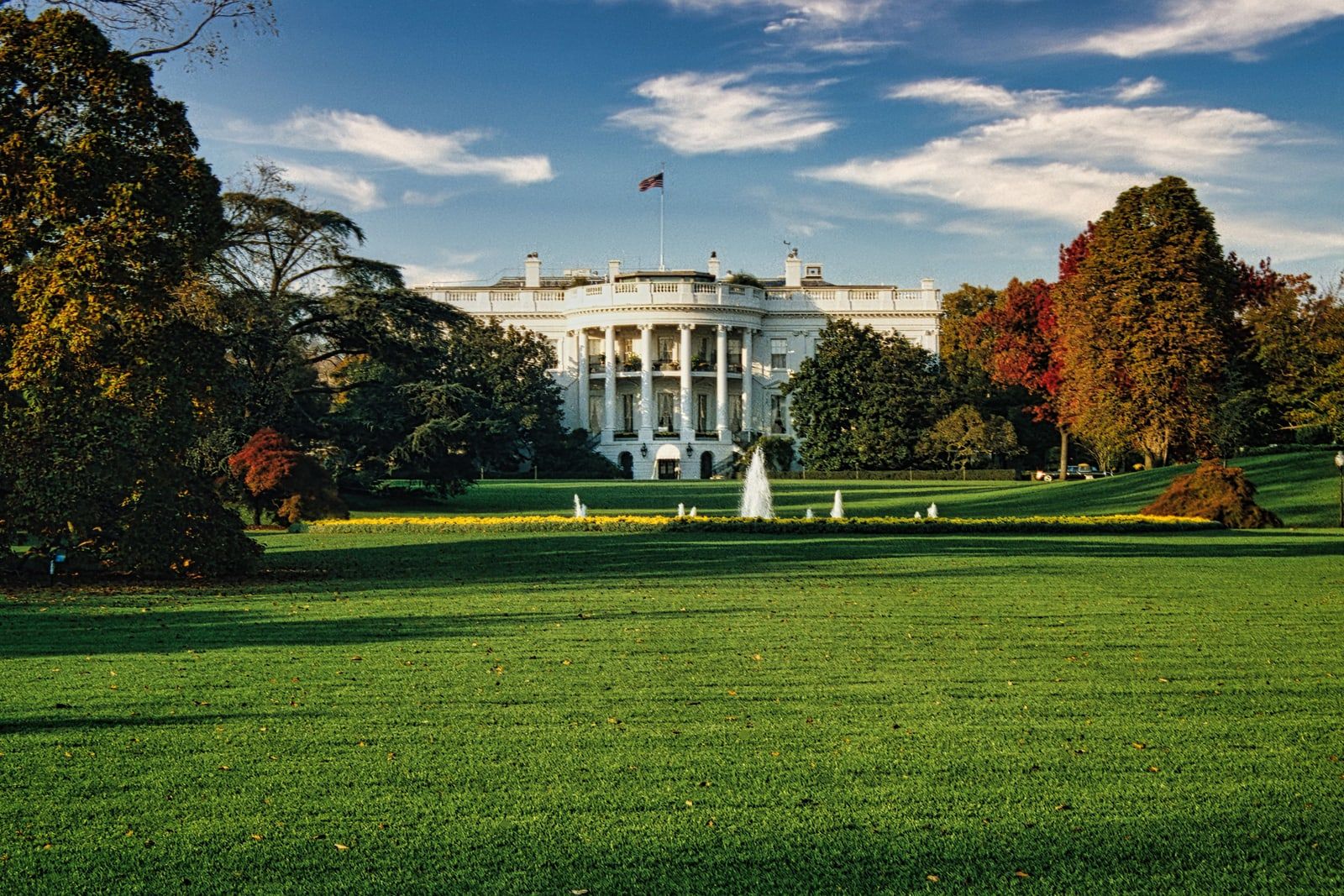
The talks were held ahead of a White House meeting between President Donald Trump and China’s Xi Jinping scheduled for Thursday. The two sides also said they had agreed to operationalise a Board of Trade that the leaders discussed when they met in Beijing in May, and Greer said negotiations continue over which non-sensitive goods — consumer products, agricultural goods, energy and medical devices among them — might qualify for lower tariffs.

The timing matters for a second reason: the trade truce between the two countries expires on 10 November. An AI channel agreed now would be one of the few pieces of the relationship not tied to that deadline.
What to watch
George Chen, an analyst quoted by the Associated Press, said a notification mechanism between the two largest AI powers could set a precedent other countries follow. Whether it becomes one depends on what Thursday produces: whether the AI dialogue is named and staffed, and whether the notification mechanism is written down with thresholds and timelines rather than left as a proposal a treasury secretary described on a Sunday.