Ten gaps, one proposed bill
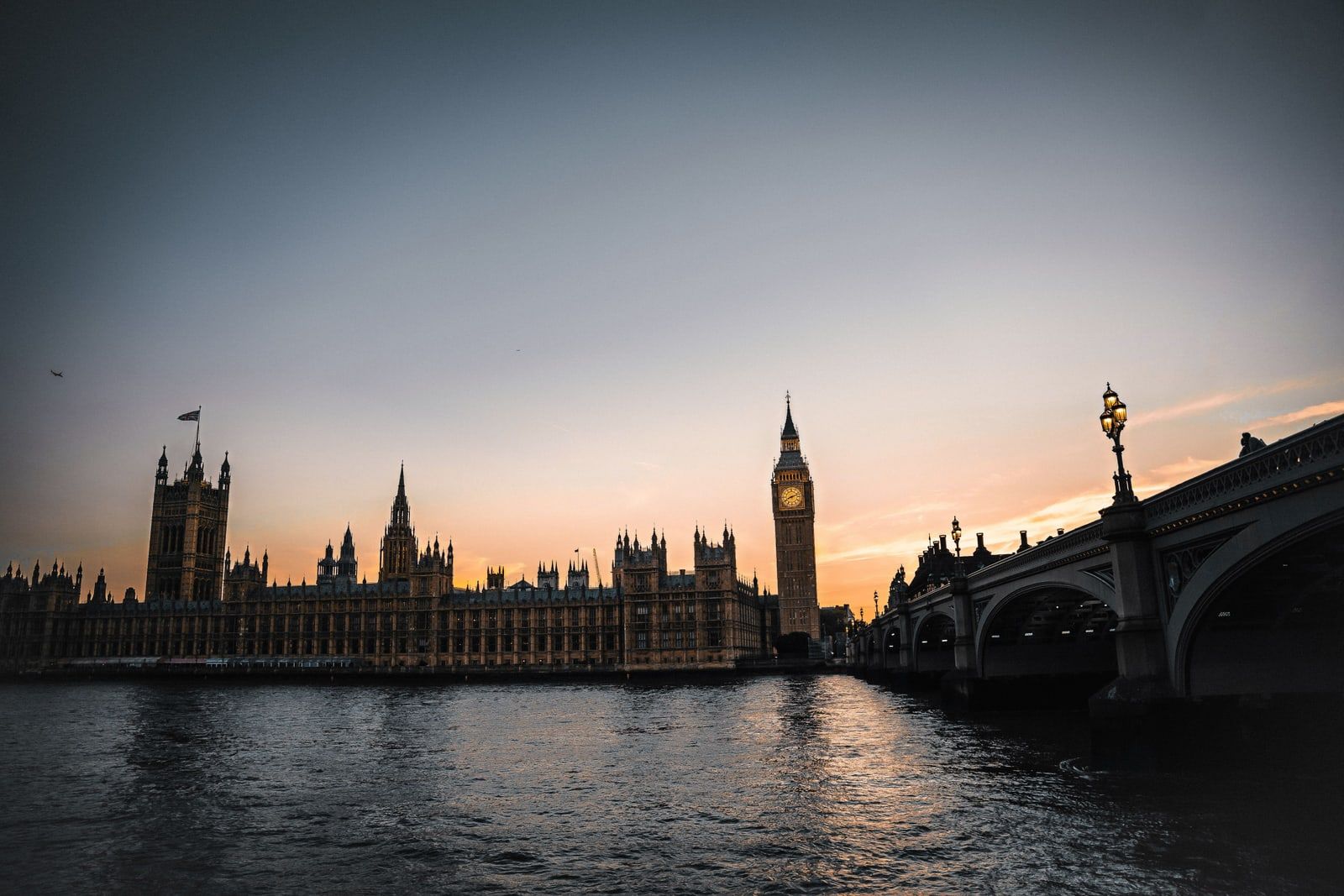
A House of Commons committee has called for an AI Safety and Security Bill in the next parliamentary session, and for a new statutory regulator with powers to intervene before a model reaches the public. The report, Guardrails for Growth: Making AI Safe, was published on 18 November by the Business, Innovation, Science and Trade Committee.
The regulator the MPs describe would be able to require independent verification of a developer’s safety claims, pause high-risk training and testing, delay or prohibit a deployment, and suspend services where risks cannot be controlled. The committee is explicit that the powers must bite while a system is being built, not only once it ships: some models, it notes, cannot reliably be recalled after they have been copied and distributed.
The report identifies ten weaknesses in the current arrangements. Among them: no statutory definitions of unacceptable harms or risk thresholds, no legal power to access models, no independent verification of safety claims, no mandatory reporting of incidents and near misses, inadequate liability and redress, and insufficient protection for whistleblowers.
Testing without teeth
Britain already has the AI Security Institute, which the committee calls an internationally recognised centre of expertise. Its problem is leverage. AISI’s access depends on voluntary cooperation, and it cannot stop a company releasing a model it has concerns about.

The committee’s answer is to split the roles: AISI keeps the technical testing and supplies the evidence, a separate regulator enforces, and ministers accountable to Parliament decide what level of risk the public should be asked to carry.
The hearings behind the report included OpenAI, Google DeepMind, Anthropic and Meta. All four told MPs they would not release a model they considered unsafe. The committee’s objection is not that they are lying but that each applies its own threshold and judges its own compliance, with no legal requirement to seek an outside opinion first.
Former industry employees told the committee that raising safety concerns carries a cost, describing restrictive contracts, commercial pressure and financial disincentives. The report asks for statutory whistleblower protections and protected reporting channels.
The number attached to the argument
The committee frames all of this as growth policy rather than restraint. Drawing on OECD productivity estimates, it calculates that AI could leave Britain’s economy up to £400 billion larger after ten years, and argues that clear rules are what will give smaller firms the confidence to adopt the technology. It also sees Britain’s testing expertise as the basis for an export industry in AI assurance.
Committee chair Liam Byrne put the case more bluntly: “We cannot give today’s AI leaders unfettered freedom to behave like modern-day Dr Frankensteins, creating dangers beyond anyone’s control.”
What happens next
The committee wants ministers to publish, within three months, their objectives for Britain’s 2027 G20 presidency, including cooperation on model access, safety assessments, incident reporting and high-risk releases, and an assessment of options for a multilateral convention. It adds that pursuing international agreement must not delay domestic safeguards.
None of this binds anyone. Select committee recommendations are advice, and the government has not committed to the bill. This is also the first report in a longer inquiry into AI adoption, safety and governance, so the committee will be back.