Runway announced Praxis-1 on 30 September, its first open-weight world action model, which turns the video pretraining behind its general world models into control for physical robots.
The claim underneath it is the interesting one. Runway says policy performance improves as third-person video is scaled, and that web video performs equivalently to teleoperated robot video during pretraining. If that holds, the bottleneck that has defined robot learning — that real demonstration data is scarce and expensive to collect at the volume a generalist policy needs — is partly a data-sourcing problem rather than a physics problem.
One policy, several bodies
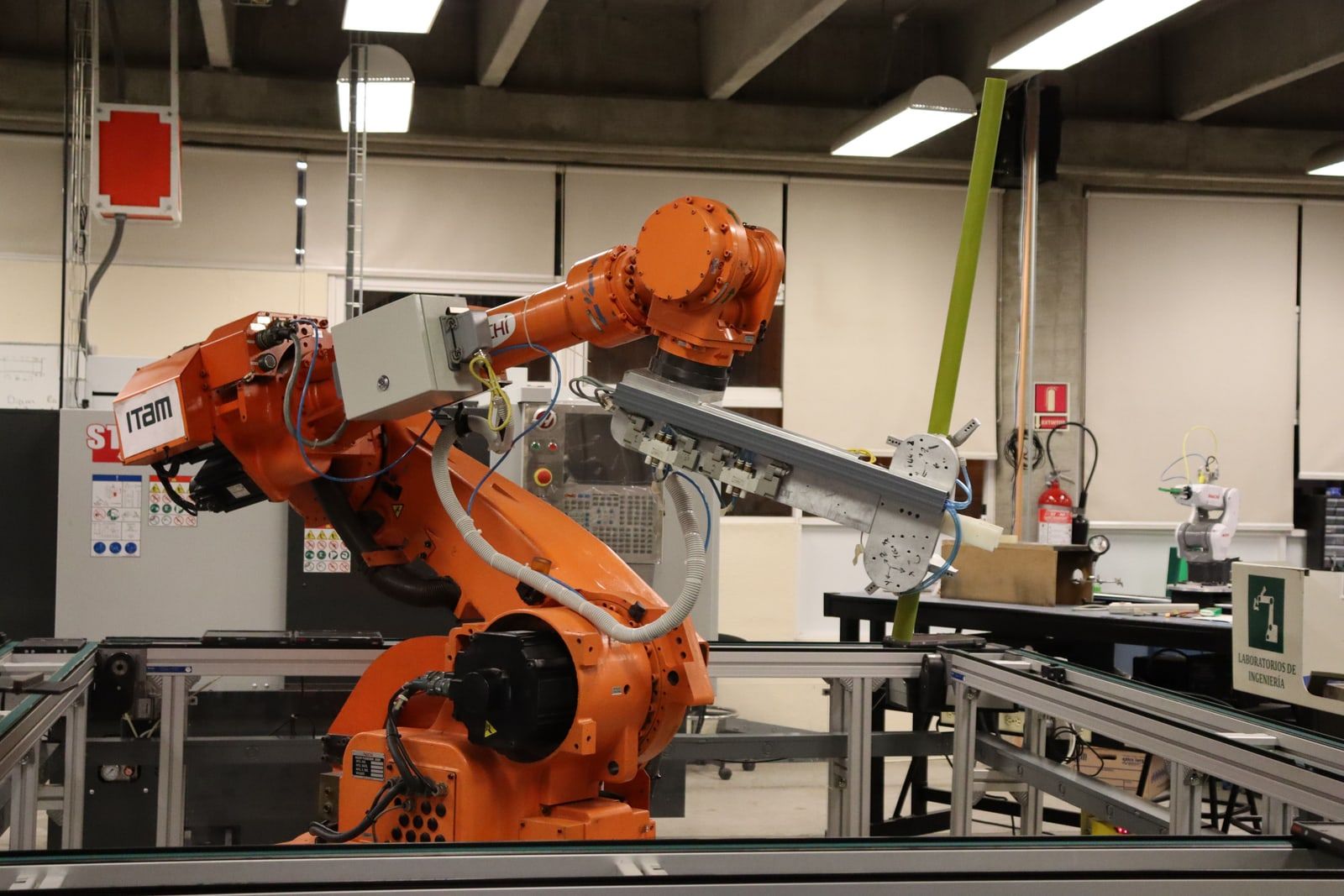
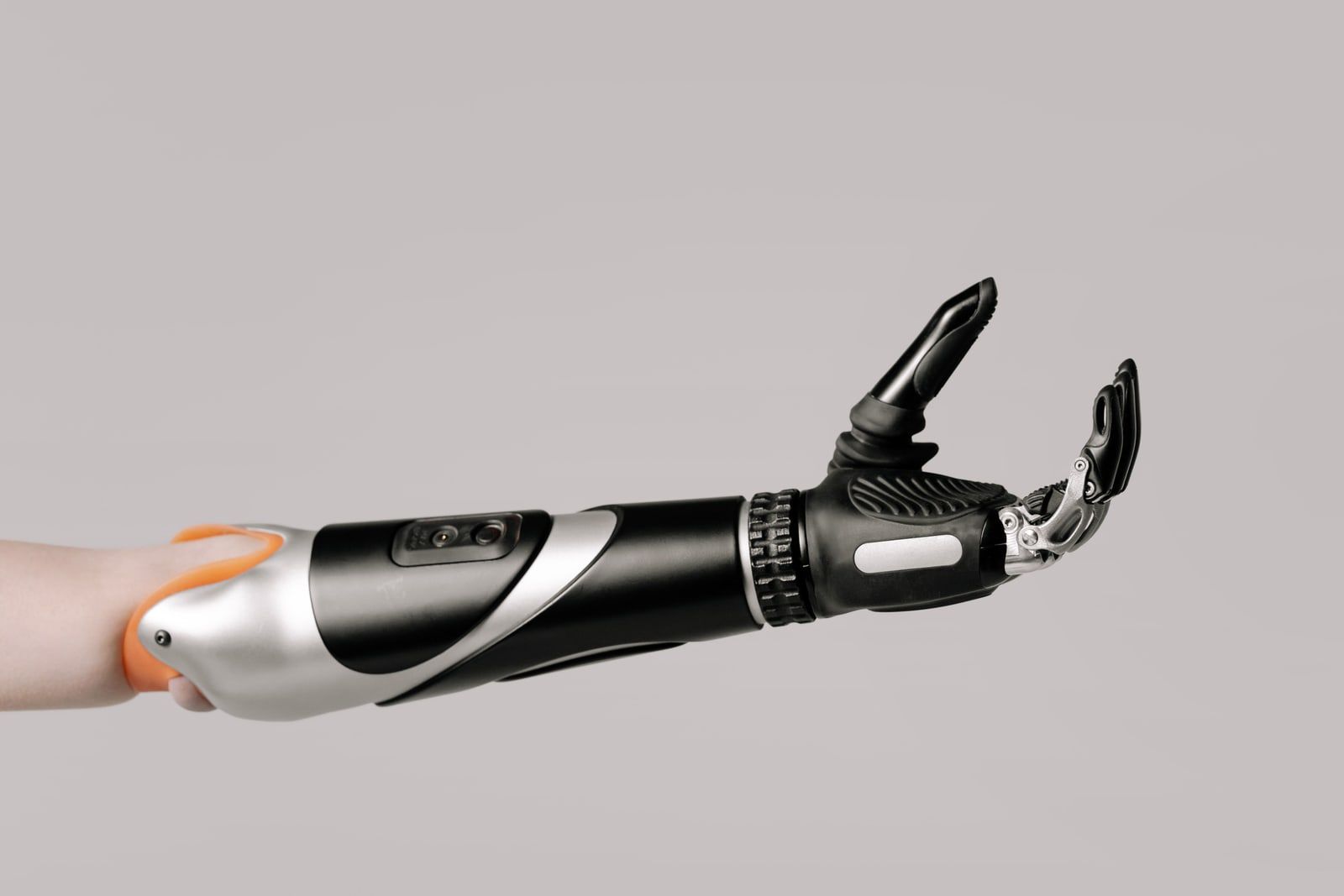
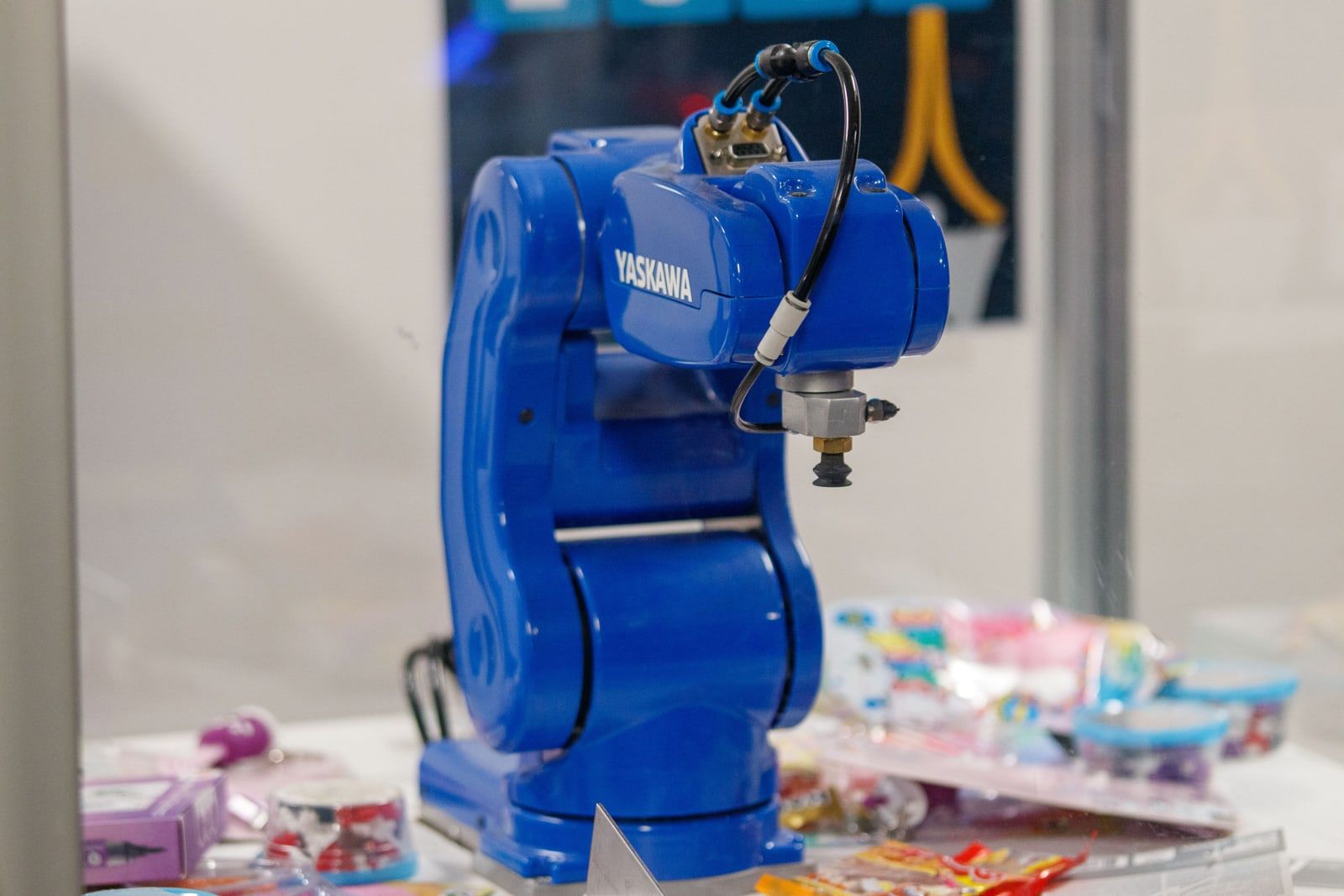
Praxis-1 is meant to run as a single generalist policy across different embodiments without retraining. Early testing covers bimanual manipulation with Noble Machines, a six-degree-of-freedom RO1 arm from Standard Bots, and mobile bases from Ultra.
Runway says the video pretraining lets the model handle the cases that defeat policies trained only on demonstrations: rigid repeated objects, cluttered scenes, transparent materials and deformable objects. Transparent and deformable objects in particular are where demonstration-trained policies tend to fail, because the visual cues are ambiguous and the dynamics are not.
The number to hold on to
Runway reports a 0.95 correlation between how a robot policy performs when simulated inside its world model and how the same policy performs in the real world, and says that beats 3D reconstruction techniques. That is a vendor-reported figure on the company’s own evaluation, not an independent result.
If it survives outside scrutiny it matters more than the model does, because it would mean a policy can be screened in simulation before anyone builds the rig.

Why open weights
Runway frames the licensing as a strategic position: that US leadership in physical AI requires interoperability that closed models do not give hardware developers. Robot builders integrate at a lower level than application developers do, and a closed API is a poor fit for a control loop running on a machine.
The weights are not out yet. Runway says a public release is coming in the next few months and is running pre-launch access with selected partners until then.
What to watch
Whether an outside group reproduces the web-video-equals-robot-video result, and whether the released weights come with the world model used to produce the 0.95 correlation. Without the simulator, the headline number is not something anyone else can check.