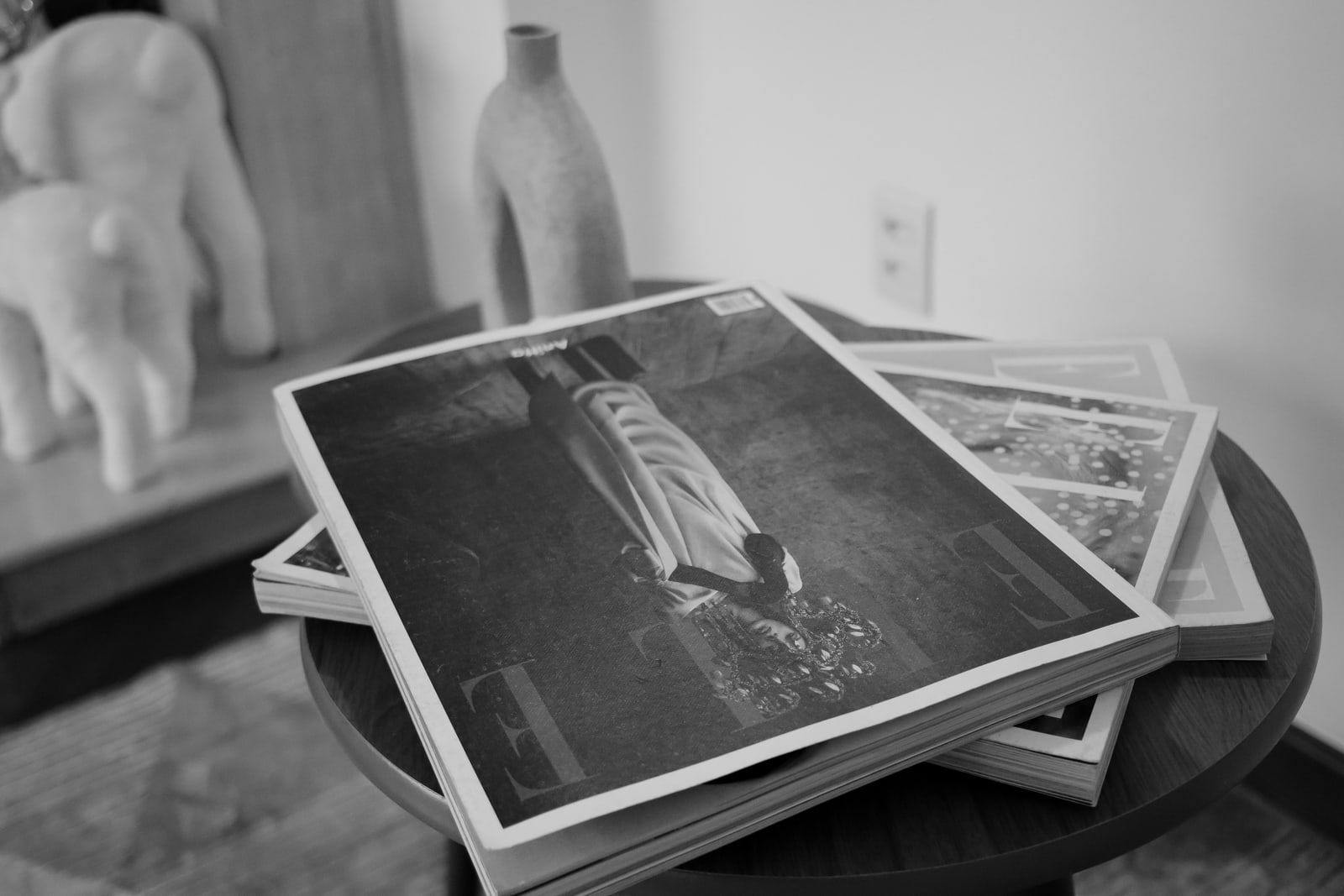
A magazine, from a model lab
Mustafa Suleyman, who runs Microsoft AI, announced The Humanist Review on 6 October, describing it as “our new magazine exploring the future of AI, published by MAI”. The first issue is themed People & Technology and carries contributions from Audrey Tang, Kwame Anthony Appiah, Elizabeth Anderson, Nick Cave, Jonathan Nolan and James Bridle, among others.
The piece it leads with is by Daron Acemoglu, the MIT economist Suleyman introduces as a Nobel laureate, and it is the opposite of what the sector’s other labs publish.
The numbers in the essay
Acemoglu restates a forecast he has made before. “My forecast (with the full warning that it was and remains impossible to know how quickly these models would advance) was that GDP would increase by about 1.5% over 10 years,” he writes. On jobs: “I estimated that within 10 years, we shouldn’t expect much more than about 5% of what humans do to be replaced by AI.”
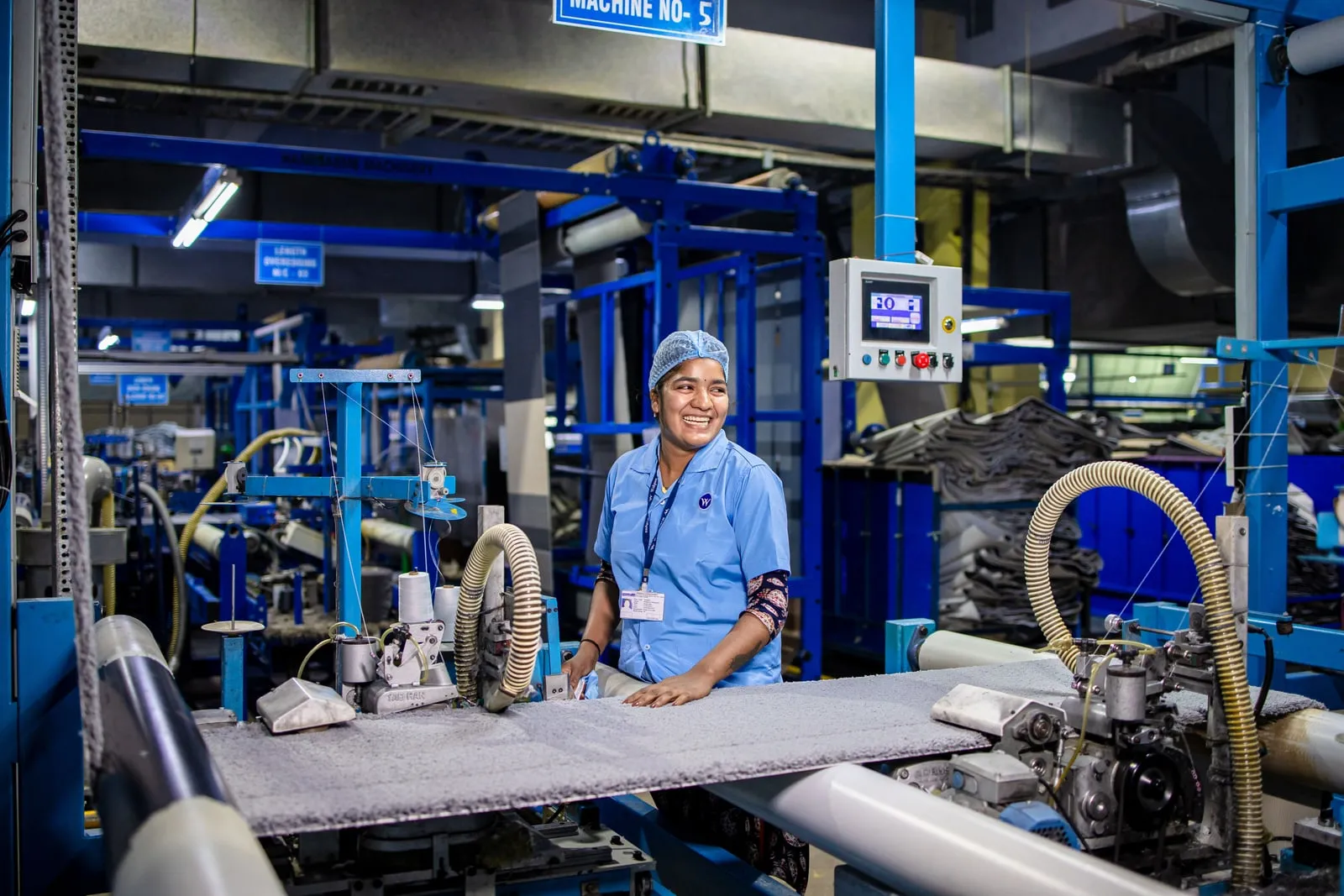
His case is that adoption is slow because integration is slow. He reaches for Robert Solow’s 1987 line about computers being everywhere but in the productivity statistics, and argues AI is in the same position: impressive in the lab, where the context is clear and tasks are neatly delineated, far less impressive in firms, where engineers debug AI-written code and clinicians cannot combine their expertise with the tools.
The comparison he prefers is electricity rather than fire. New York and London had power stations by 1881, and “as late as the 1920s, only about half of factories and homes were using electricity”. AI’s adoption, he argues, will be slower still, because companies have to reorganise around it.
The argument underneath
Acemoglu’s core claim is not about timing. It is that the industry is building the wrong thing: forcing a distinctly different artificial intelligence to mimic human intelligence, when the natural move with two different things is to make one complement the other. He says 52% of Americans are worried about AI’s impact on their jobs, and that the fear itself is steering how the technology gets built.
Two structural points follow. The United States taxes labour at an effective marginal rate of more than 25% and capital at close to zero, which he reads as a subsidy for automation. And the seven largest tech companies — Alphabet, Amazon, Apple, Meta, Microsoft, Nvidia and Tesla — now account for 60% of the NASDAQ, a concentration he says crowds out new ideas.
Why Microsoft is publishing this
One of the seven companies named in that concentration argument owns the magazine. That is worth saying plainly.
It is also worth noting how neatly the thesis fits Microsoft AI’s commercial position. A company selling AI folded into software people already use benefits from an argument that full automation is slower and less valuable than augmentation. The essay is dated 15 July 2026 and was published in an issue that went live on 6 October; Acemoglu has been making this case for years, independently of who prints it.
What to watch
The interesting thing is not the forecast but the venue. No frontier lab has previously funded a publication whose lead essay undercuts the industry’s own growth story. Whether the second issue is as willing to print something inconvenient — and whether anything in it is inconvenient for Microsoft specifically — is the test.