The vote
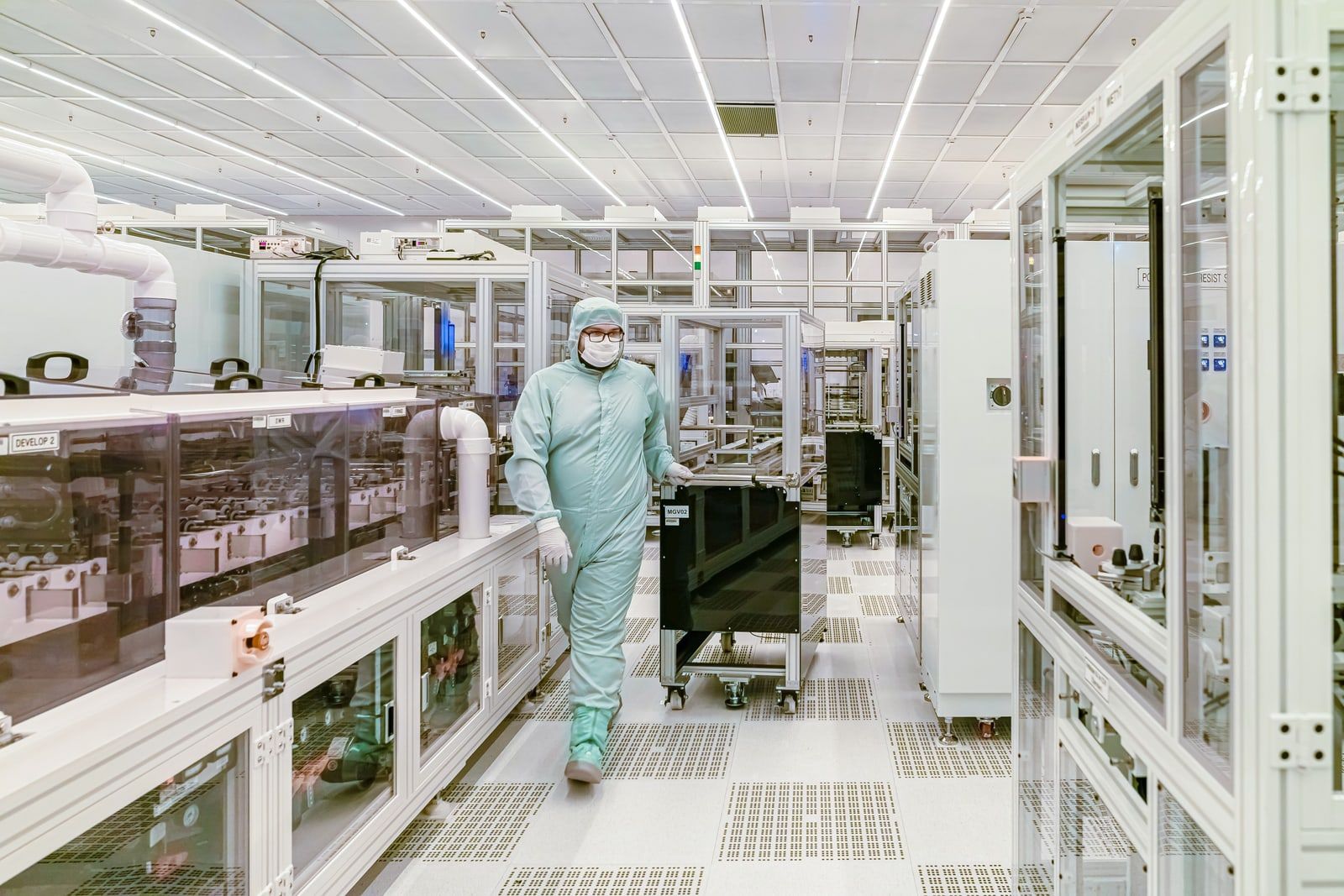
The union representing workers at Micron’s Taoyuan operations in northern Taiwan has secured authorisation to strike, Reuters reported on 7 October. Of 1,994 members, 99% of those who cast a ballot voted in favour. The timing of any action is still being discussed.
Taiwan’s labour ministry said it respected the vote and urged Micron to address the workers’ concerns and negotiate. Micron shares fell more than 2% in US premarket trading.
What the dispute is about
The disagreement is over the shape of the bonus, not its absence. The union wants a permanent profit-sharing mechanism written into terms. It says Micron’s fiscal 2026 rewards did not address that demand, and criticised the company for announcing those rewards while mediation was under way and no agreement had been reached.
Those rewards were not small. Micron paid more than 60,000 employees globally, and Taiwanese staff received a one-off cash bonus of T$1 million, about $31,386. The union’s position is that a discretionary payment, however large, is not the same as a share of profit a worker can count on.
Micron has not linked the fiscal 2026 rewards to the dispute. The company says it takes employee concerns seriously, is committed to good-faith engagement with its unions, and will continue dialogue and mediation. Mediation with the Taoyuan union ended without agreement in September; a further session with the separate Taichung union is planned later this month.
Why a memory plant matters here
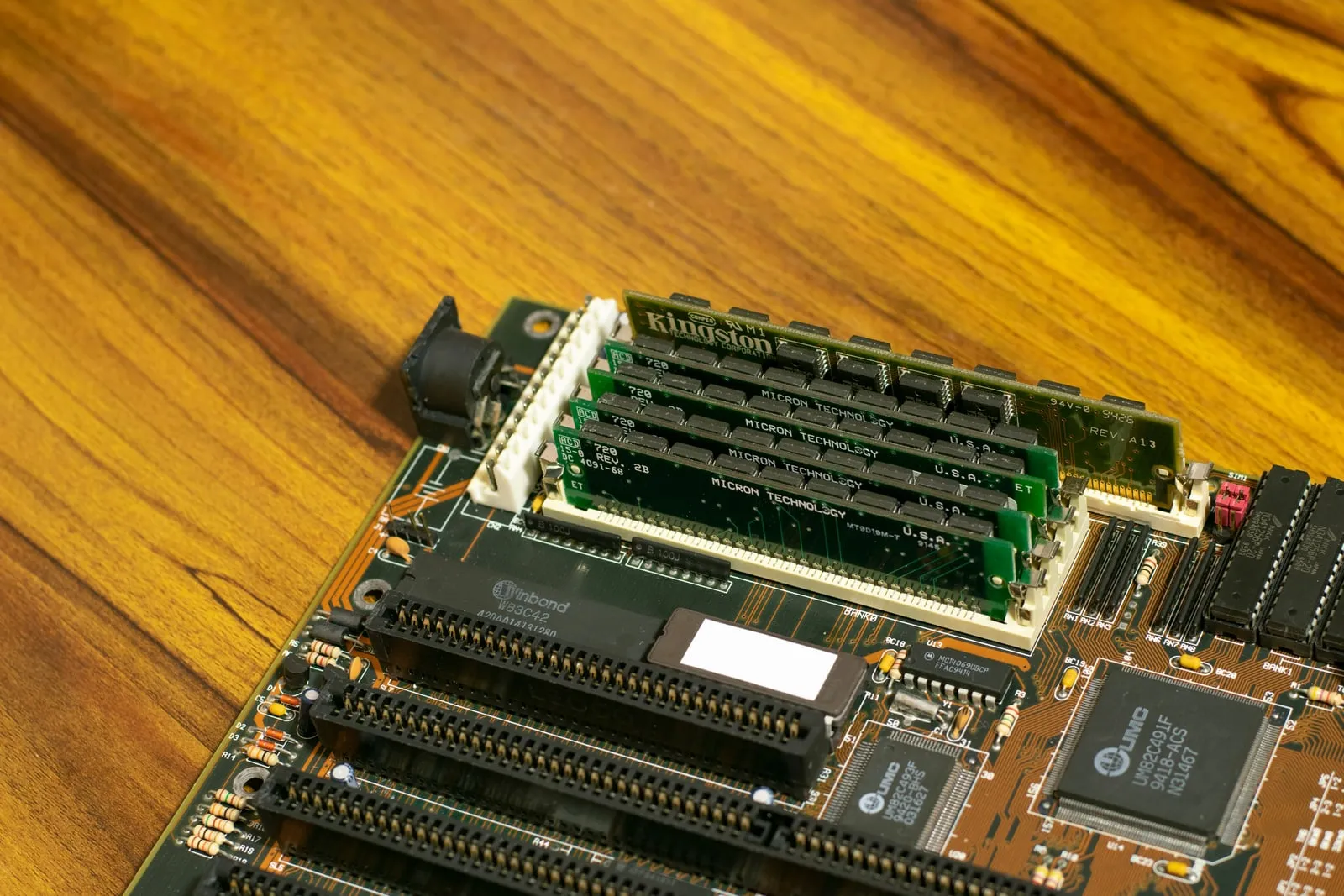
Micron employs about 15,000 people in Taiwan, and the Taoyuan and Taichung unions together represent more than 80% of that workforce. The company is one of three suppliers of the high-bandwidth memory that sits beside every AI accelerator, alongside SK Hynix and Samsung.
That is the part of this story that reaches beyond Taiwan. Accelerator supply has been the constraint everyone watches; memory supply is the one that has quietly tightened behind it, and it comes from a small number of fabs with concentrated workforces. A labour dispute at one of them is a supply-chain risk in a way it would not have been five years ago.
What happens next
The union has encouraged members to take a day off on 19 October to join a rally in Taipei, which it says is not a strike. That distinction matters legally and tells you the union is pacing itself rather than walking out.
What to watch
Whether the Taichung mediation produces anything, whether a strike date is actually set, and whether Micron concedes a standing profit-sharing formula rather than a larger one-off. The last of those is the only outcome that settles the argument instead of deferring it to the next bonus cycle.