The product
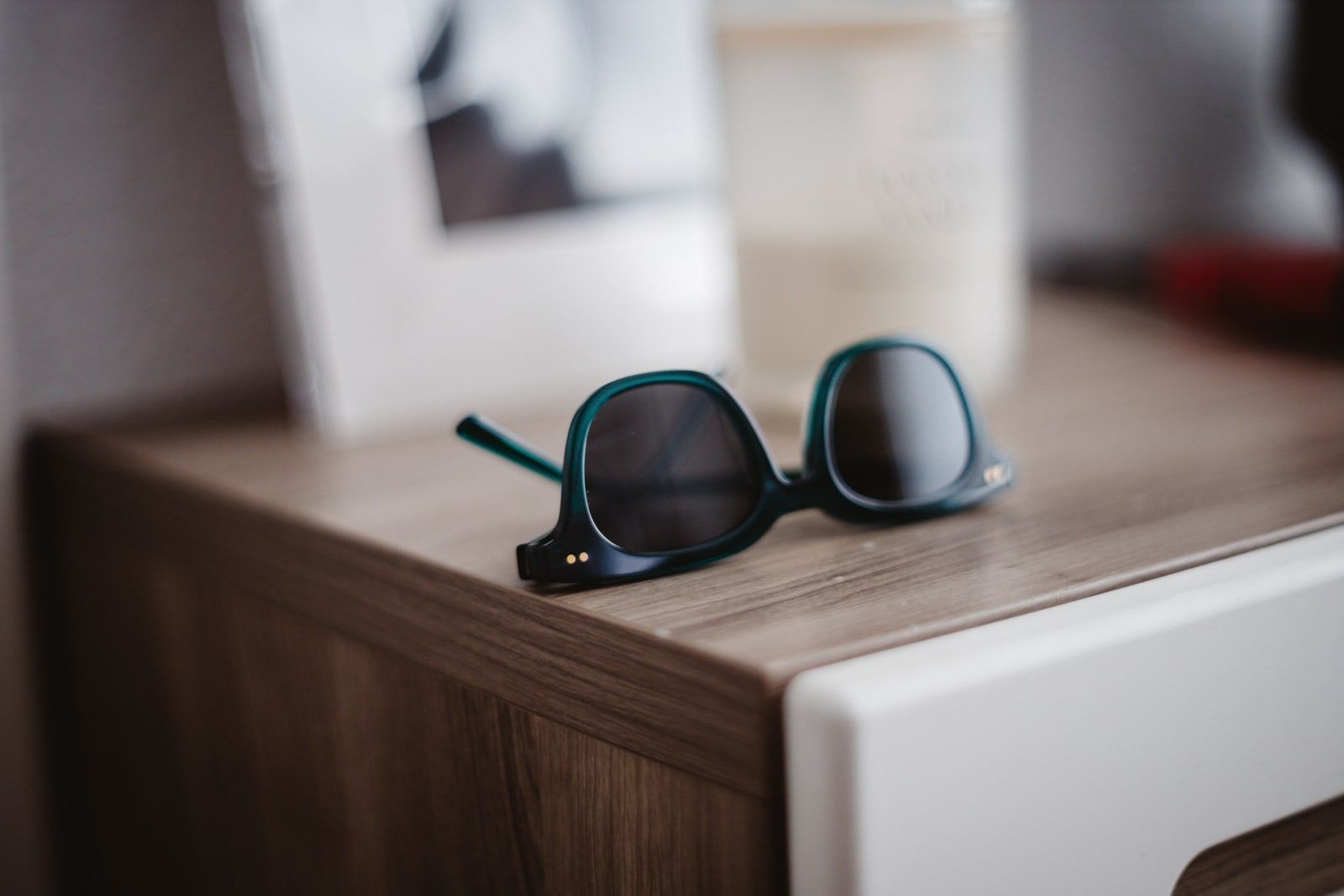
Meta announced Ray-Ban Meta Audio at its Connect conference on 23 September. It starts at $349, ships on 13 October, and weighs 43 grams. Meta says it runs up to twelve hours on a charge, with a further 48 hours from the case. It comes in two frames, a retro Clubmaster and a rectangular Burbank, in 23 colour and lens combinations, all available with prescription lenses.
What it does not have is a camera. It plays music and podcasts, takes calls, does live speech translation, and gives access to Muse, Meta’s assistant. Everything else in the line keeps the camera.
“Once you get used to high quality audio, it’s just a thing that you want all the time, right?” Mark Zuckerberg said.

Why remove the camera
Because the camera is what people object to. Meta’s camera glasses have taken sustained criticism over recording people who have not agreed to be recorded, and no indicator light has settled that argument. A pair that physically cannot record removes the objection rather than managing it.
That is a real product decision, and it is also a cheaper one. At $349 the Audio model undercuts the Ray-Ban Meta Gen 3, announced the same day at $449 with a 12-megapixel camera, 3K video, a six-microphone array, a customisable action button and up to nine hours of battery. Meta also announced a $249 Adventurer model, $399 collaborations with Kylie Jenner and Lisa, and sales expansion into Singapore, South Korea, Mexico, the United Arab Emirates and Brazil.

Muse gets its own hardware
The more interesting announcement is the Muse Charm, a palm-sized device with a two-inch OLED screen built around Meta’s assistant. It has cameras, speakers, microphones and 5G, which makes it a phone-adjacent object rather than an accessory, and a customisable Muse character on the screen whose appearance, outfit and voice the owner can change. Meta says it arrives in December at roughly smartwatch pricing, without naming a figure.
Meta also showed VR glasses at $1,299.99 for spring 2027, at around 100 grams with a separate processing puck and micro-OLED displays.
The strategy underneath all of it is the assistant, not the eyewear. Muse reached the top of both the US App Store and Google Play after its launch earlier this month, and Meta has been wiring it into commerce — Walmart and Instacart among the retailers, with the agent able to sign up for services, book appointments and place calls. The glasses are distribution. What Meta is testing with the camera-free model is whether people will buy the assistant without the part that made the product controversial, and the answer will show up in how the $349 tier sells against the $449 one.