Prices up across the board
Huawei has raised the indicated price of its Ascend 950DT accelerator card to more than 250,000 yuan (about $37,255), a jump of 20% to 50% from prices quoted to customers two months ago, Reuters reported on 10 September. The news agency cited three people familiar with the matter, who pointed to the soaring cost of high-bandwidth memory (HBM), the stacked memory that feeds data to an AI processor.
Huawei is not alone. Beijing-based Cambricon has repriced its next-generation 690 chip at 20% to 30% above the level it indicated two months ago, and smaller rivals MetaX and Iluvatar CoreX have made similar increases, according to the report. Reuters did not give an exact price for the 690.
Older Huawei parts have moved too. The Ascend 950PR now fetches more than 80,000 yuan, up about 30% from roughly 60,000 yuan at the start of the year, and the Ascend 910C has climbed from around 90,000 yuan to more than 110,000 yuan, according to the same sources. Huawei, Cambricon, MetaX and Iluvatar CoreX did not respond to requests for comment.
Why memory sets the price
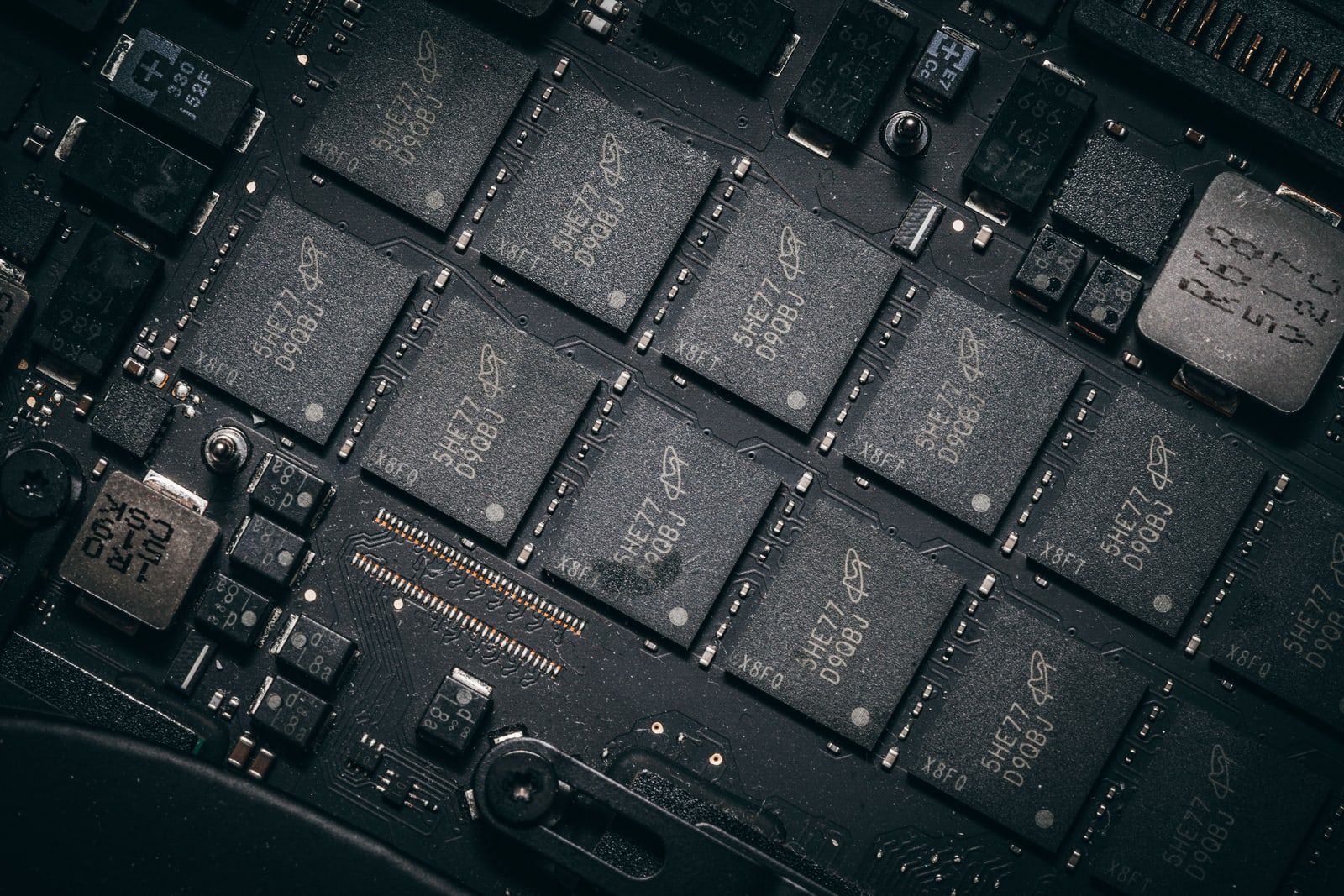
HBM is built by stacking memory chips vertically so that a processor can read data at very high speed. Supply is dominated by three companies: South Korea’s SK Hynix and Samsung Electronics, and US-based Micron Technology.
Washington tightened controls on exports of certain advanced HBM products to China in December 2024. Since then, Reuters reported, Chinese chipmakers have increasingly relied on grey-market channels to secure supplies, where HBM typically costs several times what buyers outside China pay. A worldwide shortage of the memory has now made that route more expensive still.
The timing is awkward for Beijing, which is pressing companies to replace Nvidia products with home-grown alternatives. The memory bill lands directly on the price of the domestic cards those companies are being steered towards, and it lands on every Chinese designer at once, because they all depend on the same constrained supply.
The flagship is not out yet
Huawei has publicly said the 950DT, its most advanced AI chip, will be available in the fourth quarter of 2026. It is built mainly for developing AI models and generating responses, while the 950PR processes user requests before they are passed to the model, Reuters reported.
That means the 950DT’s increase has come before general availability. Customers who planned deployments around the quotes they received in the summer are now looking at a considerably higher bill for the same hardware, with the widest reported range running to half as much again.
ByteDance keeps buying
Demand does not appear to be the problem. Iluvatar CoreX has doubled its shipments of graphics processing units to ByteDance, the TikTok developer, to 100,000 units this year, according to one of Reuters’ sources, and has diverted chips it had allocated internally to meet the order.
Huawei is ByteDance’s largest domestic supplier, followed by Cambricon and Iluvatar CoreX, the three sources said. ByteDance declined to comment.
For buyers like ByteDance, the choice is narrowing to paying more for domestic accelerators or waiting for memory supply to ease, and none of the reporting suggests the second is close.
What to watch
The 950DT’s fourth-quarter launch is the next fixed point: the price customers actually pay then will show whether the increases quoted over the summer hold. The other signal is whether Cambricon, MetaX and Iluvatar CoreX commit to firm prices for their next-generation parts, or keep repricing as the cost of memory moves.