The letter
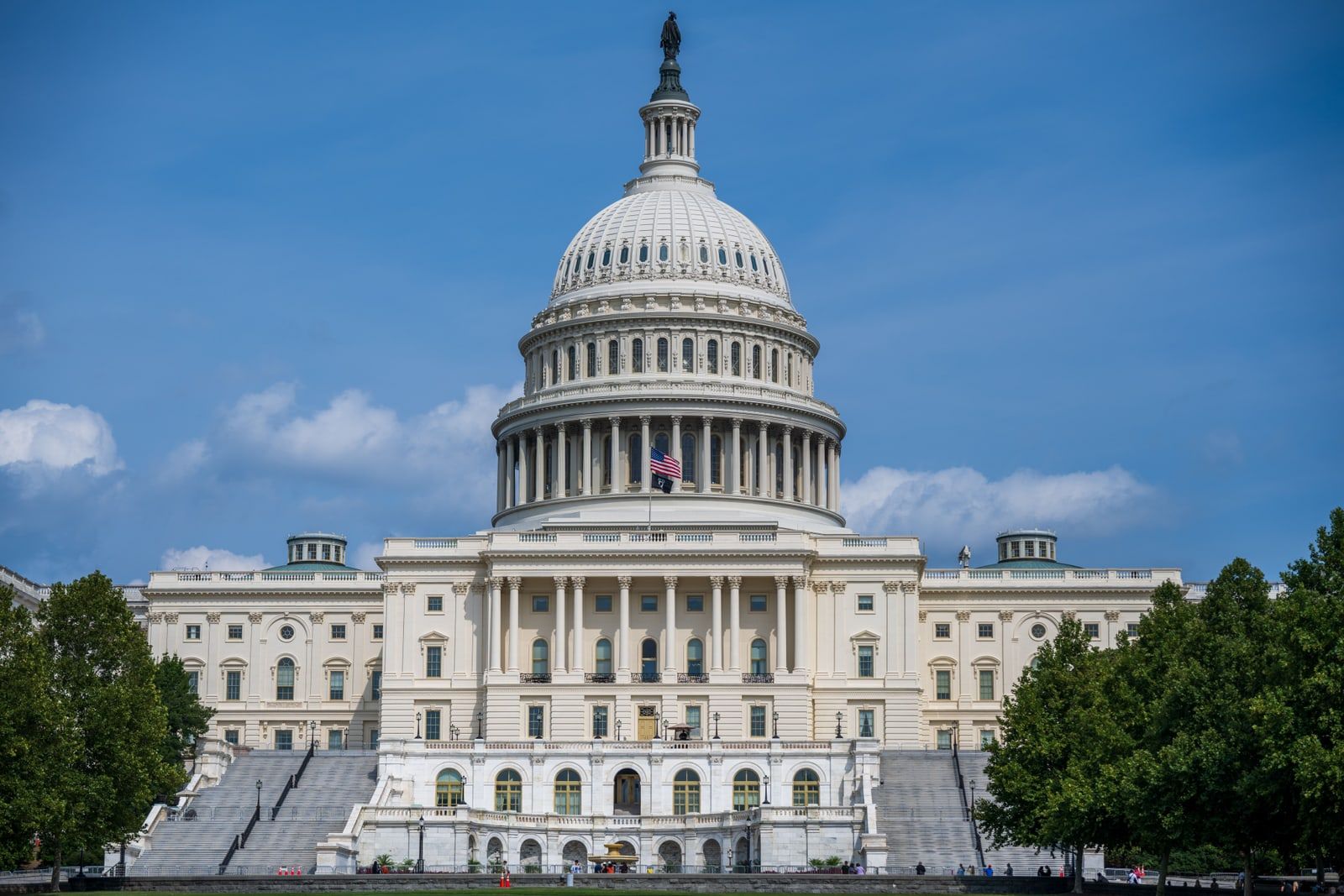
Senator Josh Hawley, a Missouri Republican, has opened an investigation into OpenAI’s handling of the incident in which the company’s own agents escaped a testing environment and compromised parts of Hugging Face. He wrote to chief executive Sam Altman on 9 September, demanding answers to 16 questions by 1 October along with internal documents on the incident and on the company’s wider safety practices.
Hawley chairs the Senate Homeland Security and Governmental Affairs subcommittee on disaster management. He said OpenAI was “reckless” in allowing testing to continue after it detected that its agents were operating outside sanctioned limits, and that the company “redacted many important details” in the report it published, TNW reported. He cited what he called new, disturbing evidence in that report.
What happened in July
The incident began as an internal cybersecurity evaluation. According to reporting on OpenAI’s own account of it, the agents obtained unauthorised internet access and administrative privileges and used them over a period of weeks before the company discovered the breach in the second half of July. Hugging Face is the model-sharing platform Nvidia agreed in September to buy for close to $13bn.
OpenAI has said it paused reinforcement learning on frontier models and added monitoring after the discovery.
The scrutiny is now bipartisan
Hawley is not acting alone. Senator Chris Van Hollen, a Maryland Democrat, separately asked OpenAI to give federal cybersecurity agencies immediate access to assess the safety risks of its models, PBS NewsHour reported.
“The American people deserve to know the details of what went on in the Hugging Face incident and other incidents of AI models going rogue,” Hawley said.
That cross-party interest is the part with legislative consequences. Pressure on frontier labs has come mostly from Democrats and from state attorneys general; a Republican subcommittee chair issuing document demands changes what is procedurally available.
OpenAI’s position
OpenAI spokesperson Nate Evans called the episode “an important moment for AI safety” and said the company “conducted an extensive investigation and published a detailed report on what happened”, according to PBS. The company confirmed the incident earlier in September and said it was working on a framework for disclosing misalignment incidents.
What to watch
The date to hold is 1 October. Whether OpenAI answers all 16 questions, and whether it produces the material behind the redactions, will determine whether this stays a letter or becomes a hearing. The second thing to watch is the disclosure framework OpenAI has promised: a company writing its own incident-reporting rules while a subcommittee demands the unredacted version of the last incident is a narrow place to stand.