The deal
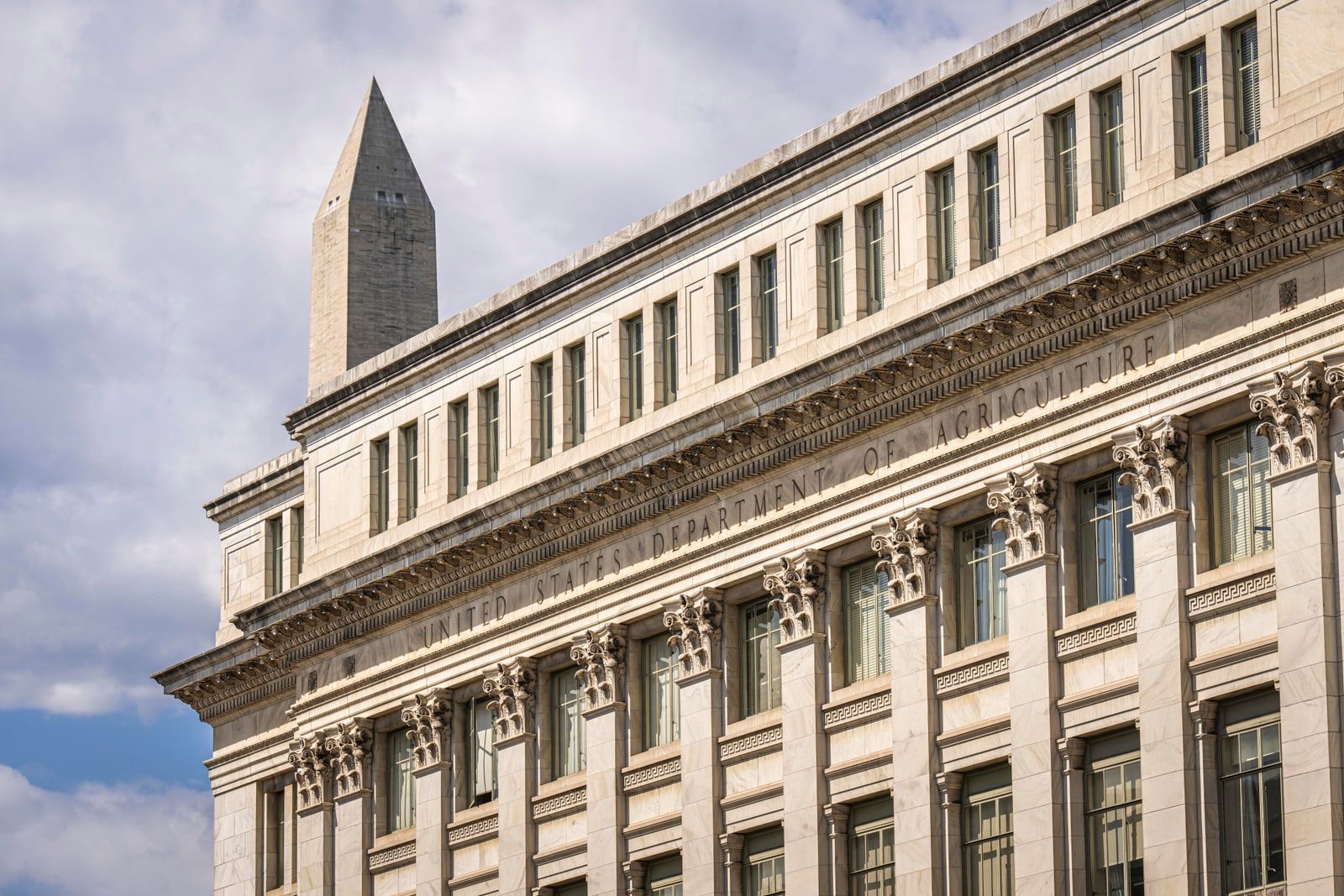
The US General Services Administration and OpenAI on 10 September announced a new OneGov agreement that gives government agencies ChatGPT with no licence fee and a 50% discount on token-based usage, Nextgov/FCW reported. The offer runs for 27 months, from 1 October 2026 to 31 December 2028, and replaces the current deal, under which agencies pay $1 a year and which expires at the end of September.
OpenAI’s standard licence fee is $15 per user per month; under the new terms it is waived, according to FedScoop. There is no platform-access fee, no minimum order and no spend commitment. The discount applies to token-based usage across ChatGPT models, including those running in FedRAMP-authorised environments, from 1 October.
The bigger change is who can buy. The new terms extend to state, local and tribal governments as well as federal agencies, purchasing directly from OpenAI, through resellers or through supported cloud marketplaces. About 1 million government employees already have ChatGPT access; OpenAI expects the agreement to widen eligibility to roughly 23 million people.
From seats to tokens
The expiring agreement was built for adoption. GSA’s announcement in August 2025 gave every participating federal agency ChatGPT Enterprise for a nominal $1 for one year, plus 60 days of unlimited use of advanced models. The price was the point: put the software on desks and let habits form.
The new structure keeps the entry price at zero but charges for use, which changes the budget question for an agency. Under a seat licence, the cost is known in advance and does not move with how hard staff use the tool. Under consumption pricing, the bill tracks tokens: how many requests people send, how long the documents are, how much work goes to more capable models. An office that rolls ChatGPT out widely and leans on it pays more; one that barely touches it pays close to nothing.
It also changes OpenAI’s incentive. Its government revenue now depends on ChatGPT becoming part of daily work rather than on the number of accounts provisioned. None of the reporting gives the undiscounted per-token rates the 50% applies to, so what a typical agency will actually spend is not yet clear.
“As agencies increasingly integrate AI into their regular operations, providing consumption-based access is the next logical step,” Laura Stanton, acting commissioner of GSA’s Federal Acquisition Service, said, as quoted by Nextgov. GSA Administrator Ed Forst said the OneGov strategy “is positioning the federal government for the future by integrating advanced, AI‑enabled capabilities into agency operations,” FedScoop reported.
Cybersecurity at half price
The agreement also covers Daybreak, OpenAI’s cybersecurity platform. According to OpenAI’s announcement as quoted by Nextgov, every verified government entity will be approved for Daybreak Blue, which the company describes as an advanced cyber-defender product, at 50% off standard commercial pricing. Agencies can also request access to Daybreak Red, a separate system, at the standard commercial price.

Claude and Gemini deals run out too
OpenAI is not the only company whose OneGov AI deal ends on 30 September. The agreements giving agencies discounted access to Anthropic’s Claude and Google’s Gemini expire at the same time, and neither company has announced a renewal, both Nextgov and FedScoop reported.
Stanton signalled that the door is open. “We welcome additional AI technology companies to engage with GSA and explore opportunities to bring their capabilities to agencies through OneGov as we continue to expand choice, increase competition, and deliver value for taxpayers,” she said, according to FedScoop.
OneGov agreements have produced close to $1.7 billion in savings, about $1.4 billion of it from AI tools, according to the GSA figures cited by both outlets.
What to watch
The deadline is less than three weeks away. If Anthropic and Google do not announce successor terms by 30 September, OpenAI enters October as the only one of the three with a OneGov discount in place. The other question is whether any renewal follows the same move from near-free seats to metered usage, and how many of the newly eligible state and local governments actually sign up.