An advisory, not a forecast
The Global Electronics Association has issued a global advisory on printed circuit boards under the title “The PCB Squeeze: A Wake-Up Call for Global Electronics”. Its assessment is short and unhedged: demand is outrunning supply “at every stage of the chain, from glass fabric and resin to finished boards”, standard materials will stay constrained through at least the first half of 2027, and meaningful relief is unlikely before mid-2028.
The line most worth reading twice is about which constraint matters. “Fabrication capacity is growing, particularly in Asia, but the limits that matter are upstream: glass, resin, foil, and equipment,” the association writes. And: “Availability, not price, is now the binding risk.”
Who gets crowded out
The association says automotive, industrial, medical and defence programmes are being pushed aside as AI absorbs scarce capacity. That is a different claim from the usual one about cost. A carmaker can absorb a more expensive board; it cannot ship a vehicle without one.

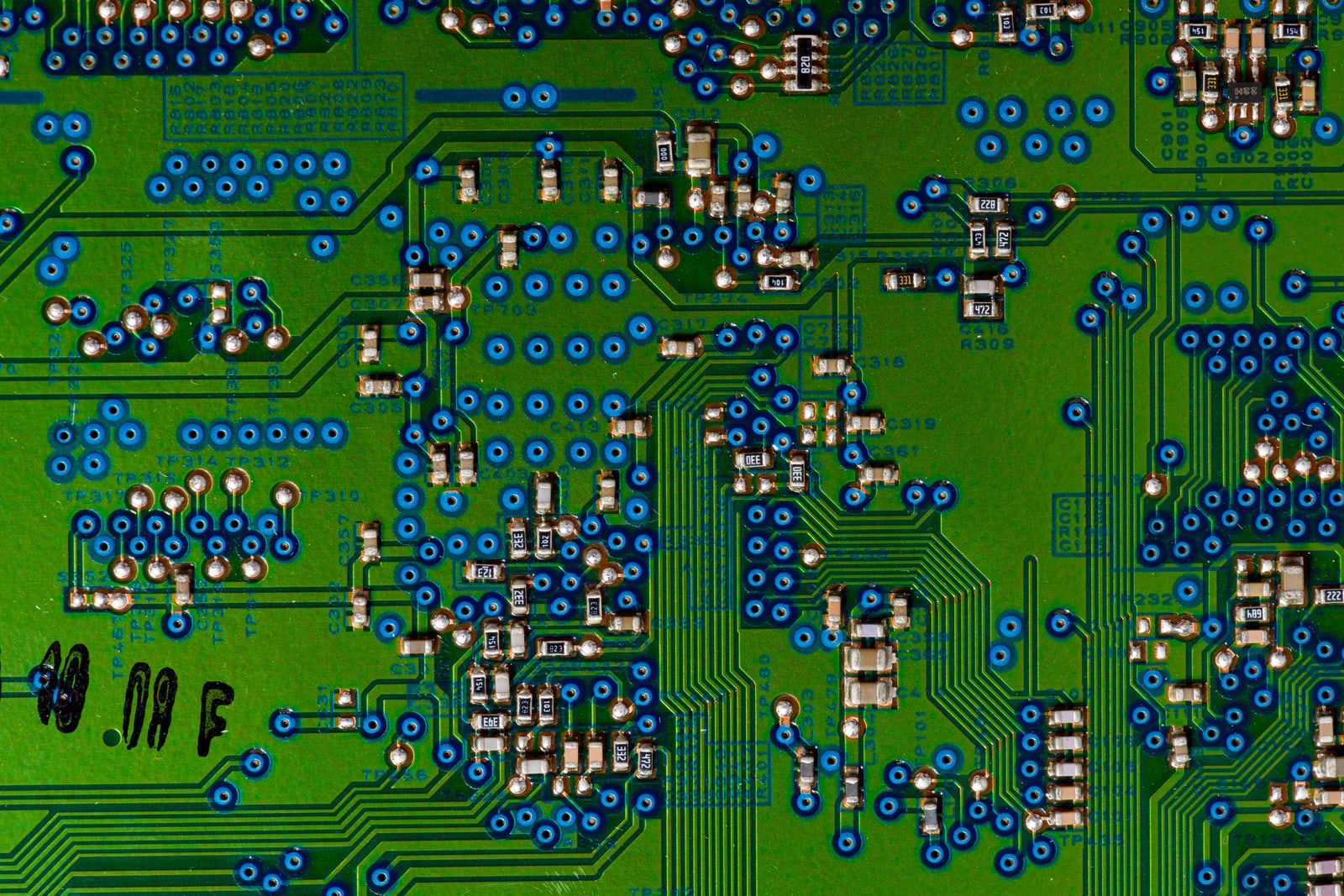
The mechanism is in the boards themselves. The Register, reporting on the association’s full document, says a typical PC board carries about 12 layers of tracks where an AI server board can run to 40 to 60 layers or more, with each extra layer demanding more resin, copper foil and laminate. On the same account, North American PCB bookings rose 56.1% in the first nine months of 2026 against the same period a year earlier, while shipments grew 13.3% — a gap that describes a queue rather than a market.
Lead times and prices, as reported
The figures The Register attributes to the report give the squeeze a shape. Standard FR-4 laminate is said to take six to eight weeks to ship, against two to three weeks a year ago, and advanced low-loss laminates 14 to 18 weeks. Suppliers raised laminate prices by 30% in September; some grades of E-glass cloth are up 300%, and copper 37% over the year.
Capacity is coming. The Register says around $10bn has gone into new PCB plants in Southeast Asia and at least as much in China over the past three years, in a region that already makes more than 90% of the world’s boards. But new lines arrive late and in pieces, and AI demand absorbs them on arrival.
What buyers are being told
The association’s advice to buyers is to plan early and give suppliers realistic forecasts rather than double-booking, and to qualify alternative sources of laminate and copper foil before shortages bite — while warning against stockpiling beyond real need, which adds to the forward-buying pressure that created part of the problem.
Its asks of governments are the familiar industry list: track board and material lead times jointly, offer tax incentives for advanced PCB and substrate equipment, fund research into alternative materials, and provide loan guarantees structured to survive a demand correction in 2027. Gartner’s Cori Masters told The Register that her firm has been reporting upstream material constraints for several quarters, and that AI data centre build-out is shifting capacity toward high-layer-count boards, which lengthens throughput time and squeezes line availability for everything else.
The comparison the association reaches for is 2021, when manufacturers could not source even mundane components. The difference this time is that the shortage is in the laminate and the glass cloth, which are harder to conjure quickly than a line of chips.