What was announced
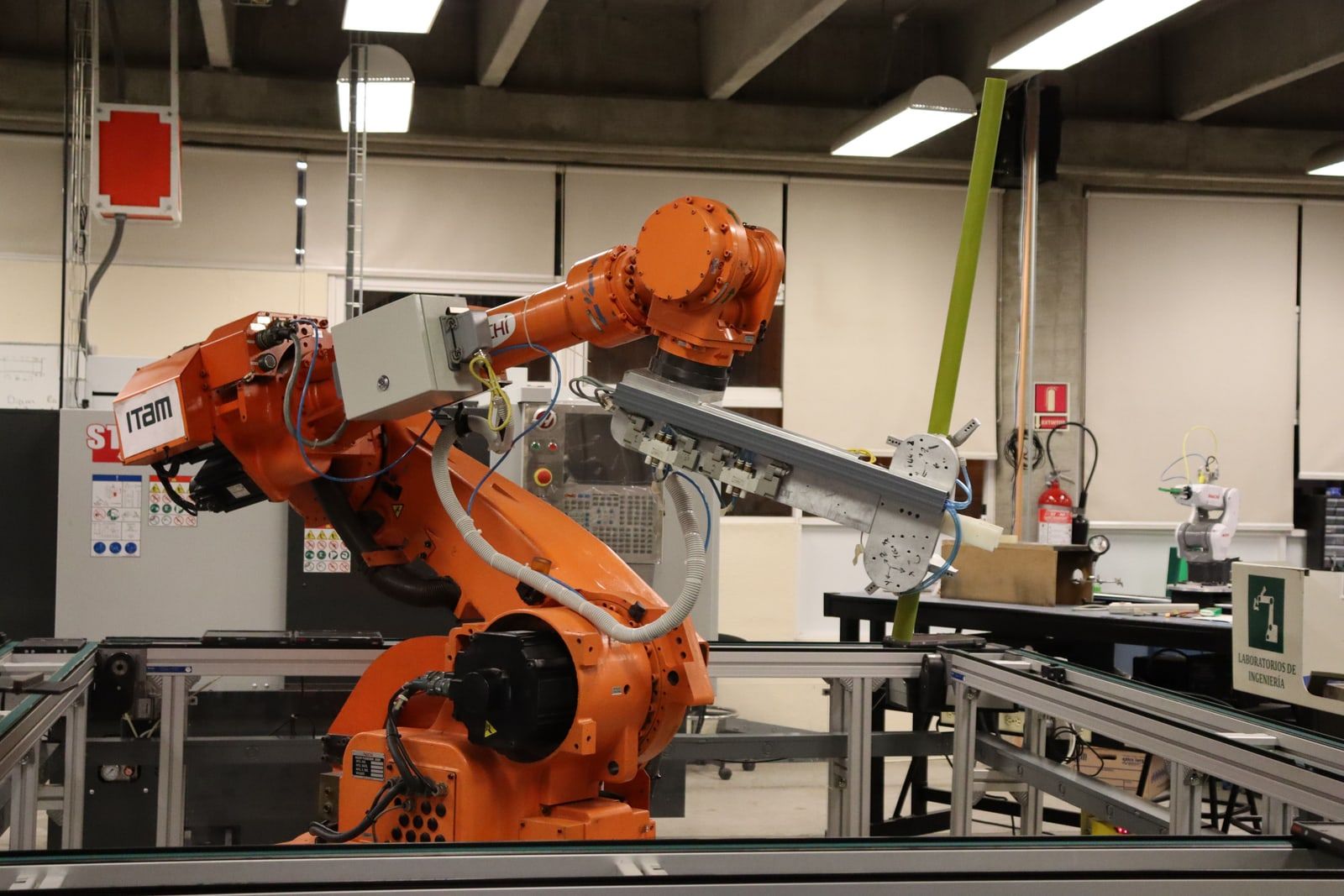
Mykhailo Fedorov, Ukraine’s former defence minister, announced a private-sector initiative called Army of Robots at IT Arena 2026 in Lviv on 26 September, The Decoder reported. The stated aim is full-scale battlefield robotisation, with the vehicle investing in defence technology companies and testing systems at military scale.
Fedorov set out the premise on Telegram in four words: “Robots should fight, not people.” The roles named are casualty evacuation, mine clearance and combat.
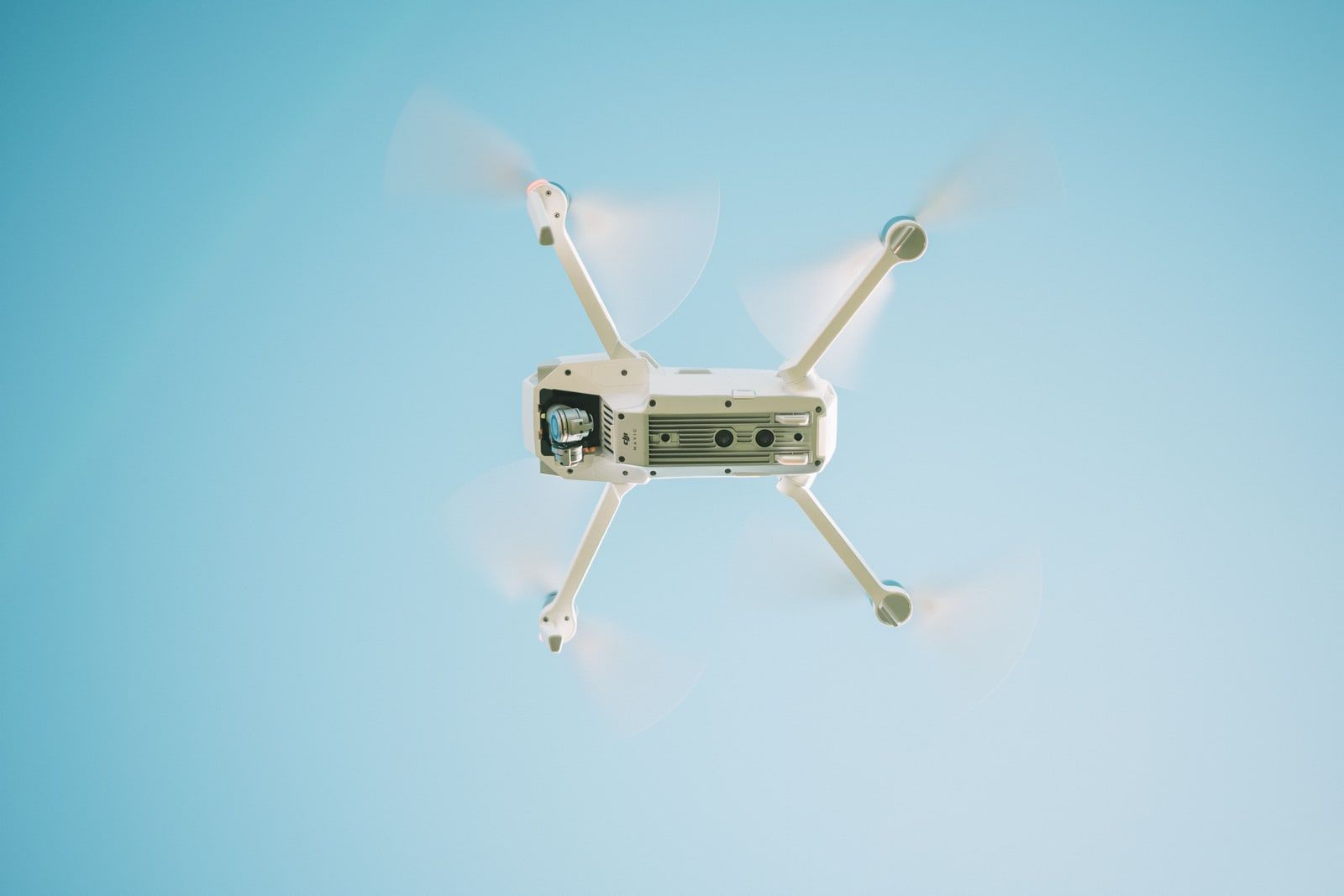
Two figures were given to support the case that the shift is already underway: more than 95 per cent of target engagements now involve drones, and Ukraine has more than 700 drone manufacturers.
The question it does not answer
The announcement does not say whether the systems would make attack decisions on their own.
That is the distinction the whole autonomous weapons debate rests on. Remotely operated systems — a drone with a person deciding whether to strike — sit inside existing law and existing doctrine. Systems that select and engage targets without that step do not, which is exactly what the United Nations has spent three years failing to write rules about. “Robotisation” covers both, and the announcement does not separate them.
The context it lands in
Ukraine has been the place where AI-enabled warfare moved from argument to practice, and the data coming out of it has itself become an export: the Washington Post has reported that the UK bought Ukrainian battlefield datasets.
The timing is pointed. This lands in the same week the Post reported that the US and Russia stripped a clause requiring human review of AI-generated targets out of the UN’s draft rules on lethal autonomous weapons, during a closed session in Geneva. Nations return to Geneva in November to decide whether those talks become a binding treaty process.
One of those two developments is a government quietly removing a safeguard. The other is a former minister announcing, in public and with a website, that the safeguard is beside the point.
Why a private vehicle
Fedorov is no longer in office, and the initiative is structured as private capital rather than procurement. That is a way to move faster than a defence ministry can, and it is also a way to build systems outside the review processes that attach to state programmes.
Ukraine’s drone industry already works this way to a significant degree: hundreds of small manufacturers iterating against a live battlefield, with the state buying the output rather than specifying it in advance.
What to watch
Whether Army of Robots names the companies it invests in, and whether any of them publish a policy on autonomous engagement. The Geneva meeting in November will decide whether there is a treaty process for that policy to answer to.