The round
Emulate, a London company founded in August 2026, is in advanced talks to raise up to $700m at a post-money valuation of about $3.7bn, according to reports on 17 September. Index Ventures and Lightspeed Venture Partners are named as joint leads, with Creandum also said to be participating.
Treat the verb carefully. Some outlets have reported the round as raised; the more detailed accounts describe it as advanced talks. Neither Emulate nor the named investors have published a confirmation.
Who is behind it
The founders are Jack Parker-Holder, Matthew McGill and Philip Ball, all previously at Google DeepMind, where they worked on the Genie family of world models. Parker-Holder led the development of Genie 2 and Genie 3, the systems that generate an interactive three-dimensional environment from a short prompt.
None of the three has run a company before. Emulate has no launched product, no public website, and has not disclosed how many people it employs.

What a world model is for
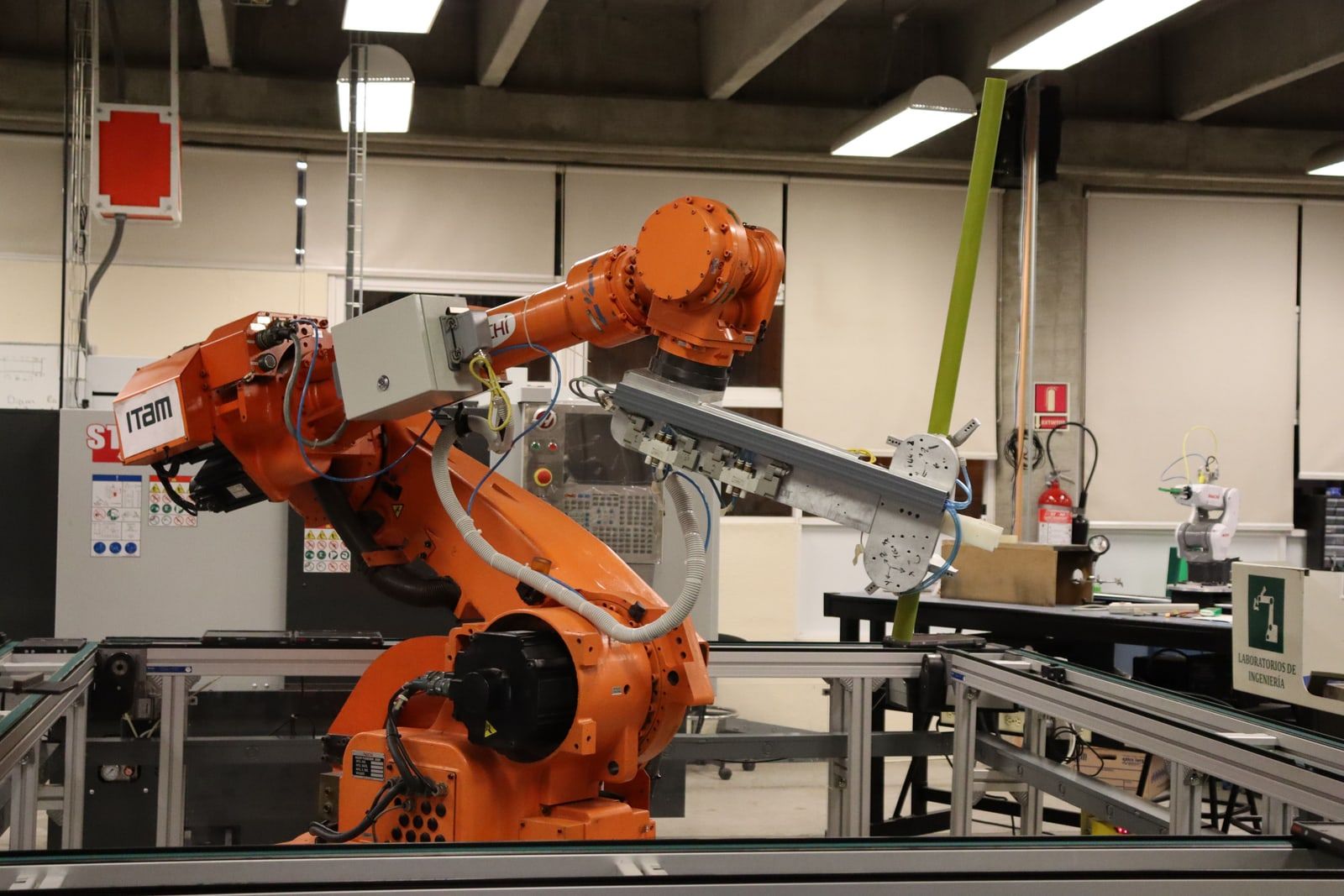
A language model predicts text. A world model predicts physics: how a dropped glass breaks, how a robot arm should move to avoid a collision, what happens next in a scene. The commercial argument is that robotics teams can run thousands of simulated attempts before touching real hardware, which is where most of the cost and most of the breakage currently sits.
That is a real bottleneck, and it is why the money is moving. It is also why the category is crowded: World Labs has raised $1.23bn at roughly a $5bn valuation, and Generalist is valued at about $3bn.
The pattern
Emulate would be the third DeepMind London spinout to secure major funding this year. The pattern is consistent enough to be a category of its own: a small group leaves with a specific research lineage, raises at a valuation set by the lineage rather than by revenue, and starts hiring against companies that already shipped.
A $3.7bn valuation for a company one month old and pre-product prices the founders, not the business. Whether that is rational depends entirely on whether world models turn out to be the platform layer for robotics that their backers think they are.
What to watch
Confirmation from Emulate or its investors, and the first public description of what the company is actually building — architecture, training data, and whether it intends to release weights or sell access.