The deal is closed
AMD announced on 16 November that it has completed its acquisition of World Labs, the AI model lab founded by Fei-Fei Li. Li joins AMD as executive vice president and chief scientist, reporting directly to chair and chief executive Lisa Su.
The completion notice does not restate the price. The September announcement of the definitive agreement put it at approximately $8.2bn, payable in AMD stock, with closing expected by the end of 2026 subject to regulatory approvals. The deal has closed roughly six weeks ahead of that outside date.
What AMD bought
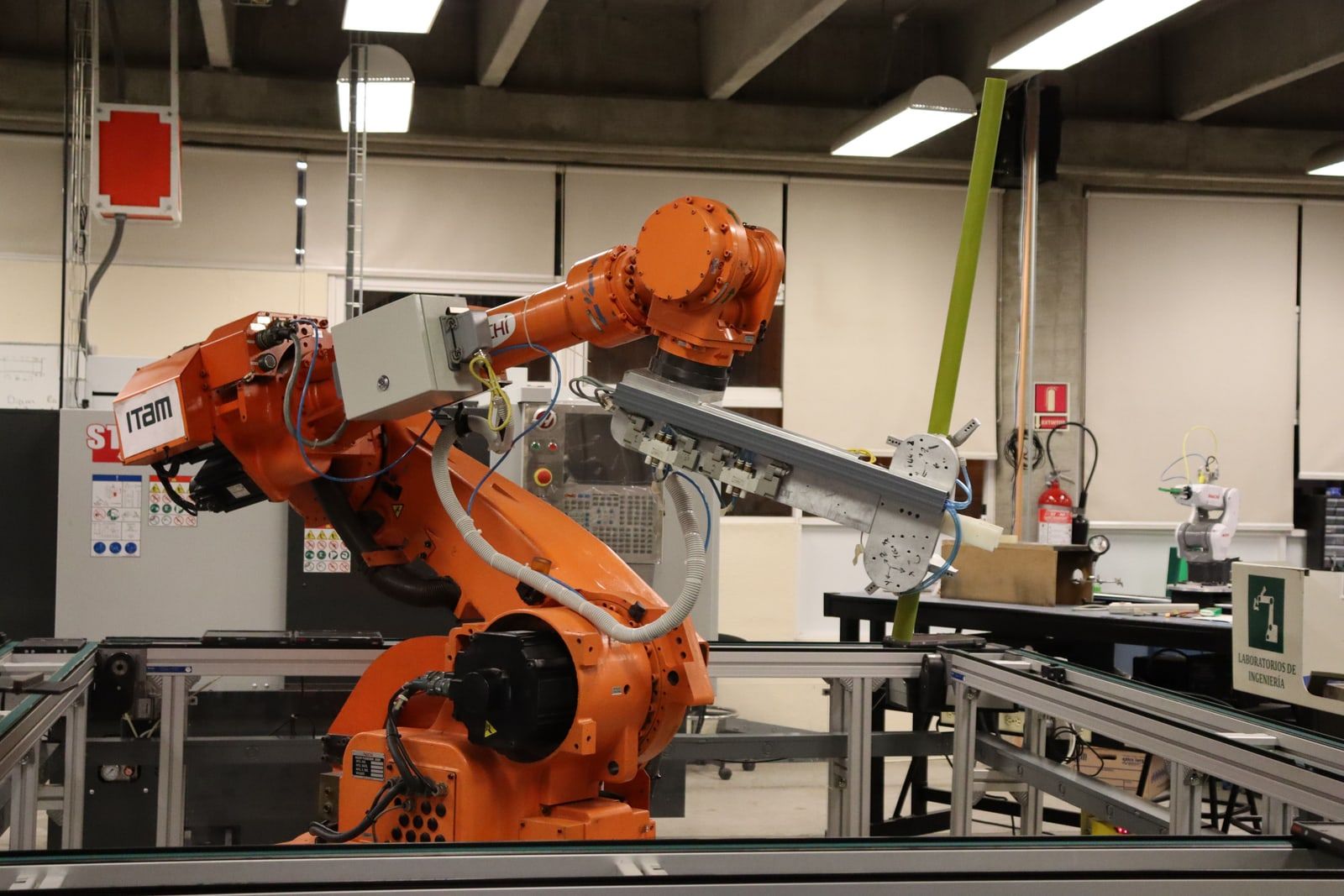
World Labs develops AI models that create and simulate interactive 3D environments, along with technology for robotic learning and simulation. AMD says the team will continue advancing foundational model research while working with AMD engineers to apply what it learns to future AI infrastructure.
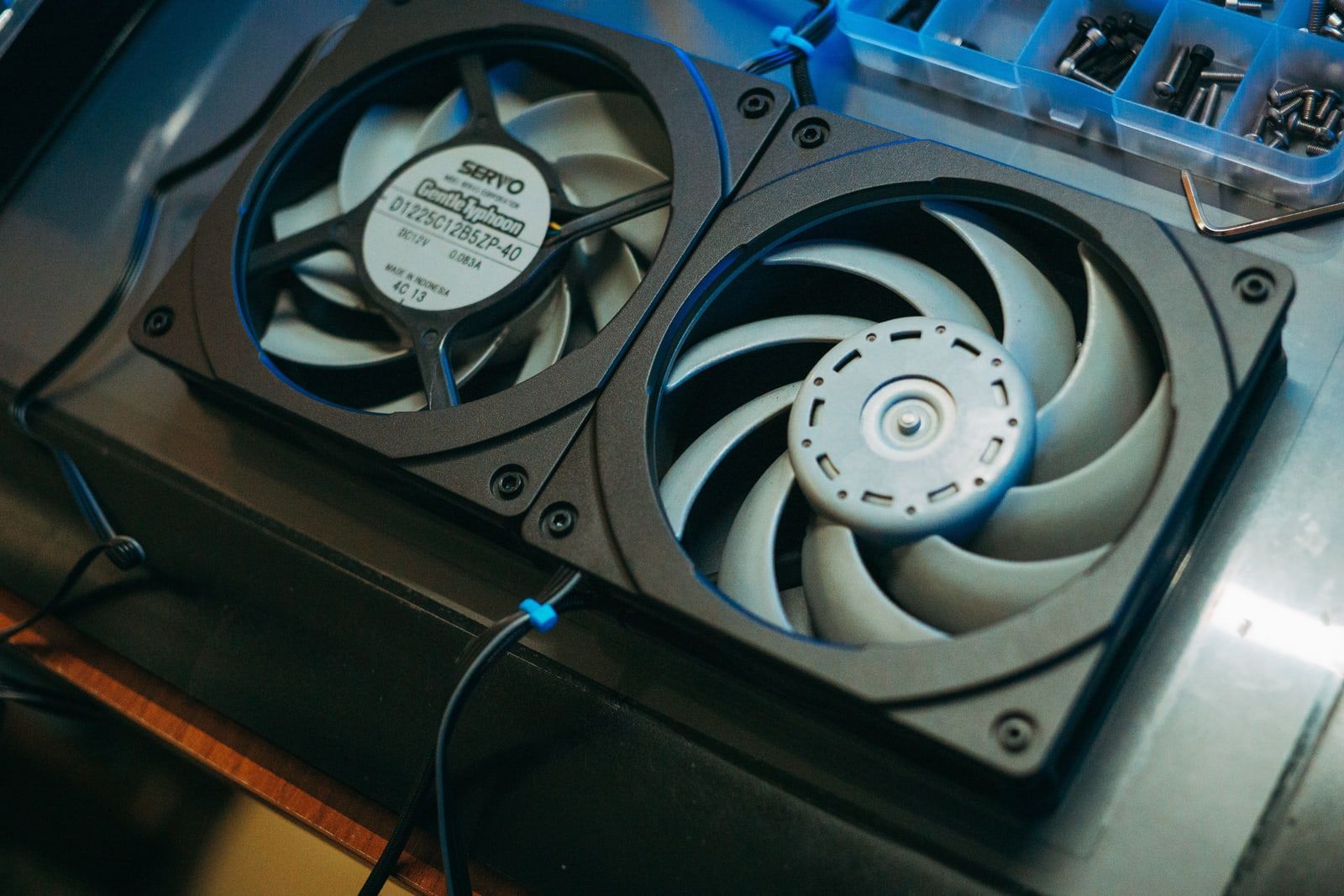
Su framed the purchase as a hardware problem rather than a model one. “Delivering the infrastructure that will power the next era of super intelligence requires us to optimize compute platforms and models together,” she said, adding that the team’s “pioneering model research will help shape our future hardware, software and systems.”

That is the unusual part. The normal direction of travel in this market is a model lab buying or leasing compute. Here a semiconductor company has paid stock worth more than its quarterly data centre revenue for a research team whose output is intended, in part, to tell it what chips to build.
The gap it is meant to close
AMD’s data centre business reported $8.5bn of revenue in its most recent quarter. Nvidia, reporting the day after AMD closed this deal, posted $107.6bn in the same category. World models and robotics are one of the few areas where the workload is still being defined, and where the hardware requirements are not yet settled around an incumbent’s architecture.

AMD’s framing is explicitly about the open ecosystem: the release says the acquisition is meant to shape future AMD hardware, software and systems “for the open AI ecosystem”, and that the combined teams will enable researchers and developers across that ecosystem. It does not say whether World Labs’ models will be released openly.
What to watch
Two concrete tests. First, whether World Labs’ models get published or ported in a form that runs on ROCm and AMD accelerators — the acquisition only pays off technically if the software stack follows. Second, whether Li’s chief scientist role produces a public roadmap change: AMD has now bought the right to be told what its next generation of silicon should do, and the first evidence of that will be in a product announcement, not a press release about a hire.