What was added
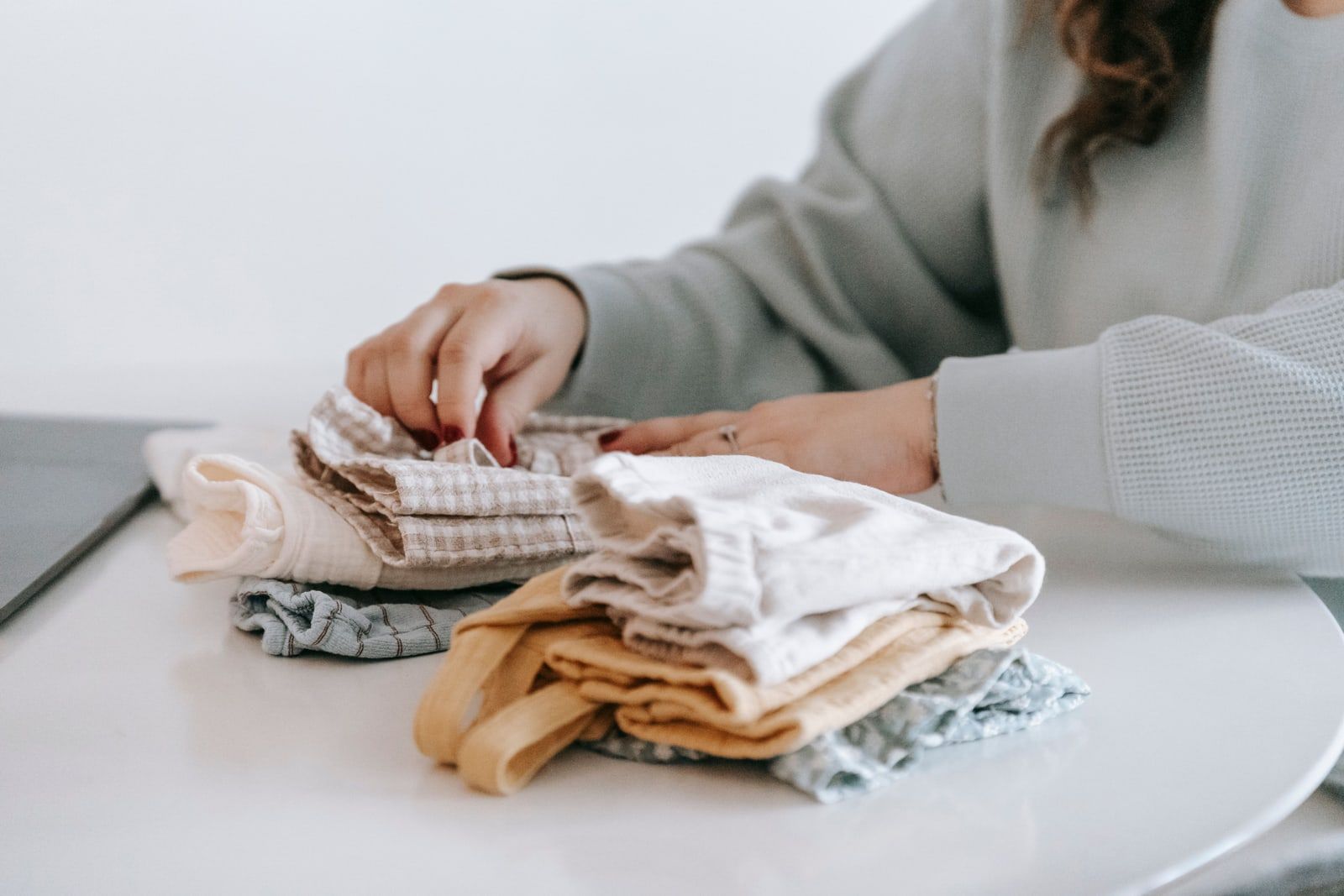
OpenAI launched two shopping features in ChatGPT on 1 October: a virtual try-on and a Favorites library. TechCrunch reported that a Try On button now appears on clothing and accessory listings in shopping results. Tapping it asks the user for a selfie or a full-body photo, and ChatGPT generates an image of that person wearing the item.
It is not limited to products ChatGPT found. A user can upload a picture of a garment — a screenshot from any website will do — and ask for it to be tried on. Favorites, the second feature, saves products into a Library, with folders, alongside the try-on images the user generated.
The model underneath
Both run on ChatGPT Images 2.5, which OpenAI says produces more natural lighting and richer textures, is better at preserving the subject of a reference photo, follows editing instructions more reliably across turns and generates images faster. Those are the company’s own claims about its own model and no independent evaluation of them has been published.
The reference photo is kept. OpenAI’s stated reason is convenience: a user does not have to upload a new one for the next item. That is a reasonable product decision and also a change in what ChatGPT holds, because the photo in question is a full-body image of the user’s body.
The part worth reading twice
Engadget’s write-up notes the default that matters here: images uploaded from a personal account can be used for training unless the user opts out. That default is not new, and it is not specific to this feature. What is new is the kind of image the feature asks for, and the number of people likely to upload one.
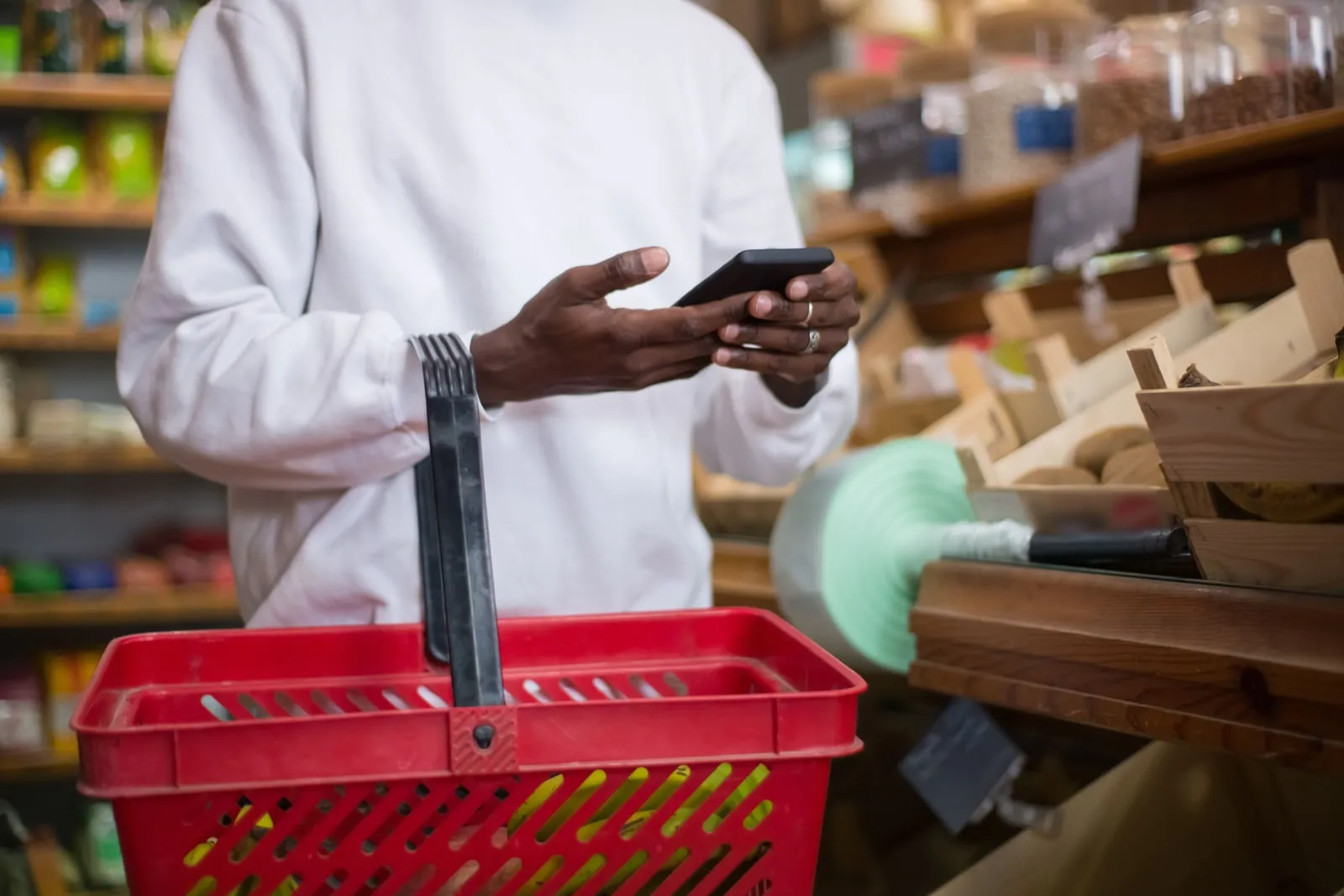
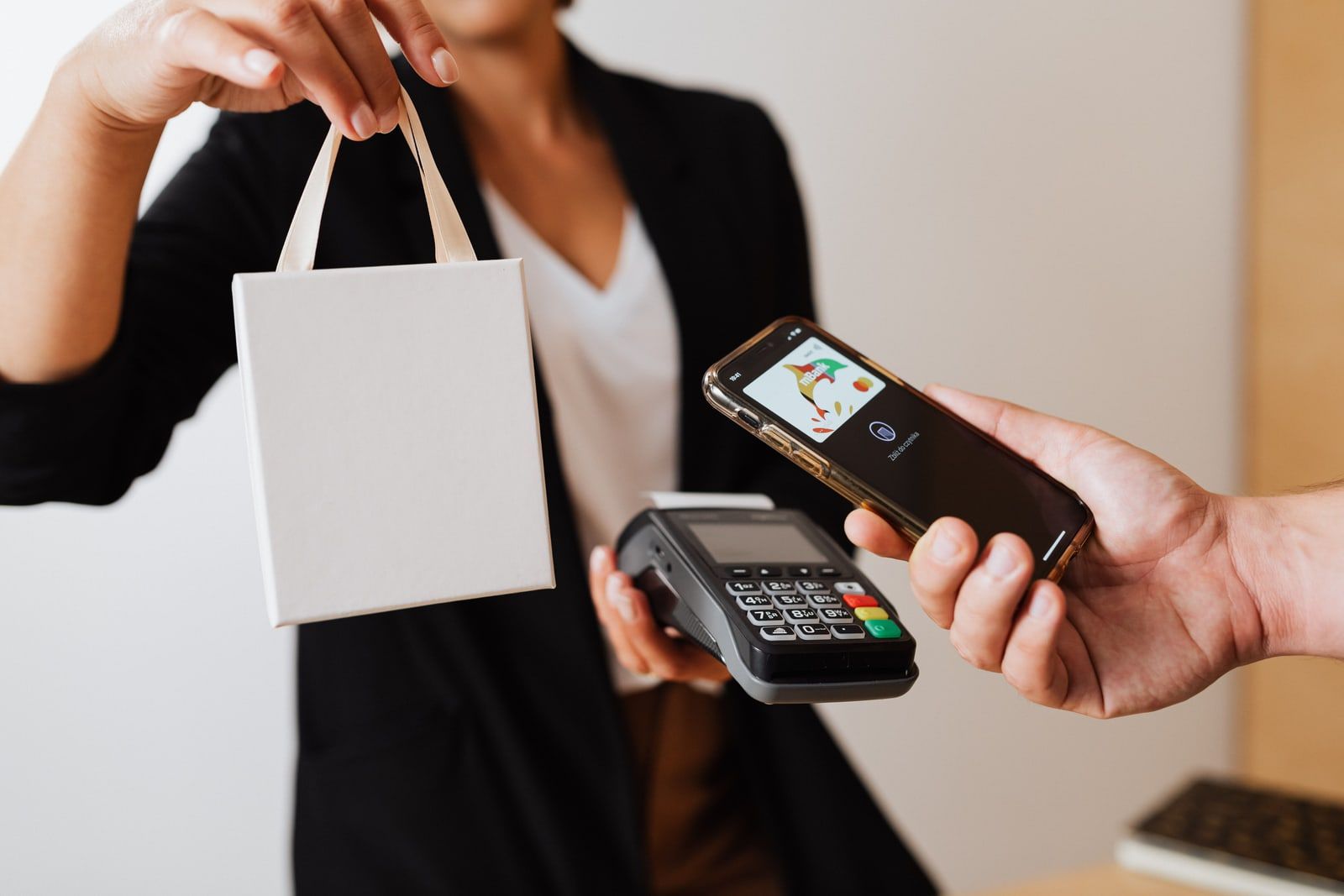
There is a commercial logic to all of it. ChatGPT has been building a shopping surface for a year — ads in more than sixty countries, agent checkout with merchants, product listings in the answer itself. Try-on is the step that makes a chat window compete with a fitting room rather than with a search box, and Favorites is the step that turns a conversation into a basket you can come back to.
What to watch
Whether OpenAI publishes retention terms specific to the stored reference photo, which is the thing a privacy regulator would ask about first. Whether retailers get any control over how their garments are depicted on a customer, since a generated image that flatters is a representation of a product. And whether the try-on images get accurate enough that returns fall, which is the only number that would make merchants pay for this.