Thirteen degrees of freedom, and no pinky
Boston Dynamics has unveiled a new hand for its Atlas humanoid with four fingers and 13 degrees of freedom — four in the thumb and three in each of the other three fingers, nearly double the seven in the previous generation. It is directly actuated with a single actuator type, and the company says it is designed for mass manufacturing.
The missing finger is deliberate. “There’s no pinky because the team determined that the additional dexterity and tasks you’d be able to accomplish is not worth the extra complexity of three additional degrees of freedom, the size, the power consumption, all of the things that come with adding additional actuators,” said Dylan Thrush, a mechanical engineer on the Atlas team.
Before the design was finalised, chief product and technology officer Zachary Jackowski asked the team to tape their pinky and ring finger together for a day and report what they could not do. They concluded the robot did not need one.
From grasping to manipulating
The previous Atlas hand had seven degrees of freedom and was built to grasp a wide variety of objects. The company says the new one shifts the goal from holding things to working with them: in-hand reorientation, recovery from a slipping grasp, and handling a tool while pressing its trigger.
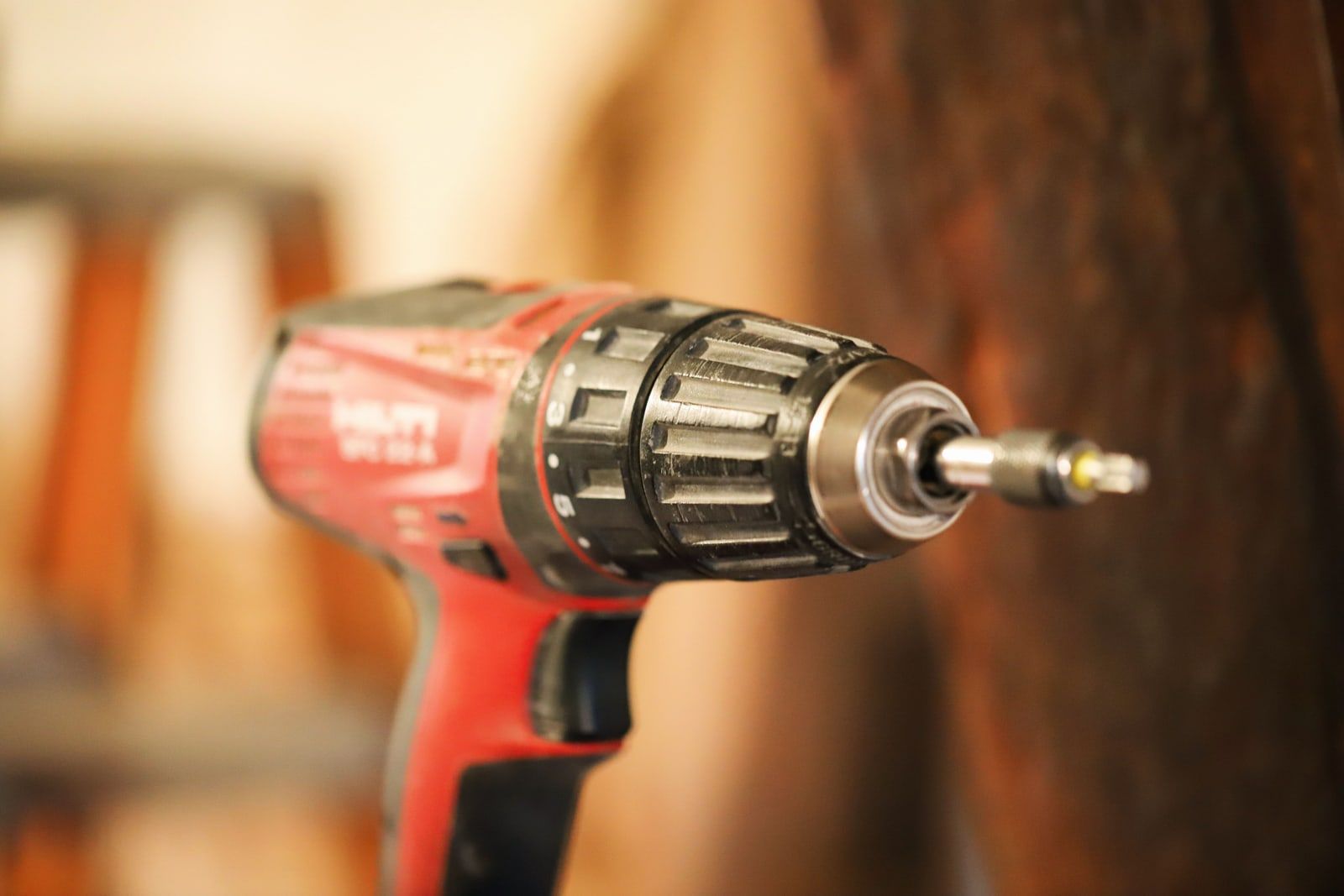
The listed capabilities are specific. The thumb’s fingertip can slide along the length and across the width of every other finger. It can make pinch grasps between the thumb and any other finger, tripodal grasps, and triggered tool grasps — drills, power torque drivers, grinders, nail guns, welding torches. In a demonstration the hand picks up a thin drill bit, secures it in a drill, bores a hole in a board, and tightens a nut.
Built to be simulated
The design is aimed at reinforcement learning in simulation. Boston Dynamics kept transparent direct actuation at the joints with a single actuator type, and as in Atlas’s body the actuators are fully encapsulated with no fragile cables crossing joints. Backdrivable, transparent actuators let the robot rely on proprioception — knowing where its own joints are and what they are pushing against — rather than on vision alone. Dense pressure sensors cover the fingertips and palm.
Size was a constraint rather than an aesthetic. The hand is close to a large human hand, which the company says both lets it reach into small spaces and narrows the gap when learning from human manipulation data.
“We considered many, many designs, and there were many questions like: Do we want the hand to have one thumb or two thumbs? Do we really want the hand to have a pinky or not? And most of these don’t have straight answers,” said Alberto Rodriguez, director of robot behaviour for Atlas.
The hand arrives a week after Boston Dynamics opened a training centre for Atlas at Hyundai’s Metaplant America in Georgia. That is where the manufacturability claim gets tested: a hand that survives a car plant is a different object from one that survives a demo.