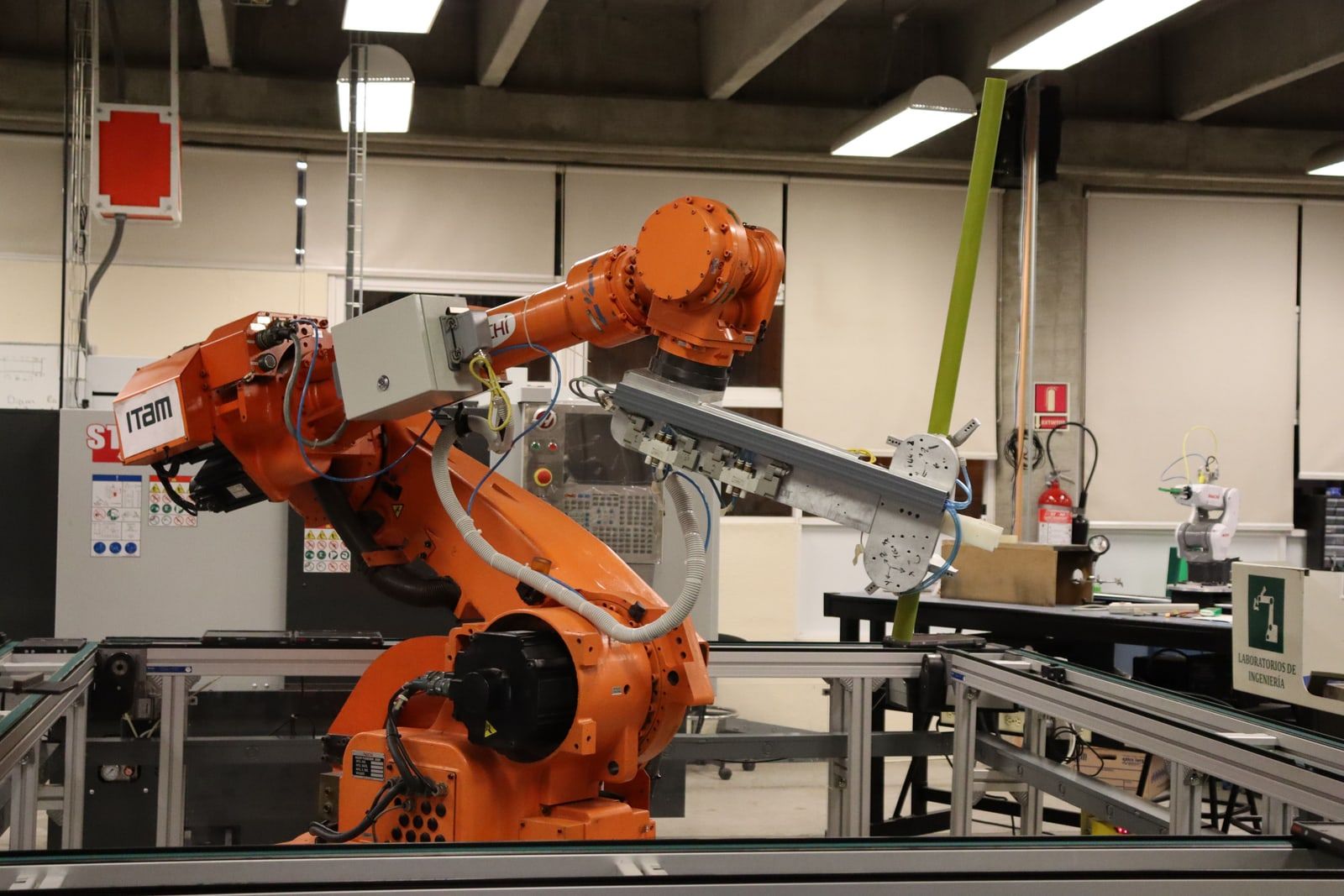
One model for the whole robotics pipeline
Google has published what it is doing with Gemini 4 Argon in robotics, and the pitch is consolidation: one model that controls robots, builds the simulated environments they practise in, and reviews the training data they learn from. The post, written by principal software engineer Kanishka Rao, calls this a step toward physical AGI.
The demonstrations are concrete. A Boston Dynamics Spot quadruped learns to work the foot pedal of a step-on bin after practising in a MuJoCo digital twin. Argon builds simulation twins from a teleoperation recording, an egocentric human video or a hand-drawn sketch. In a data generation demo, Google reports real-world success rising from 56% to 75% and completion time falling from 35 to 24 seconds. In a self-improvement demo on a pick-and-place task, completion time drops from 58.9 to 17.4 seconds over three iterations.
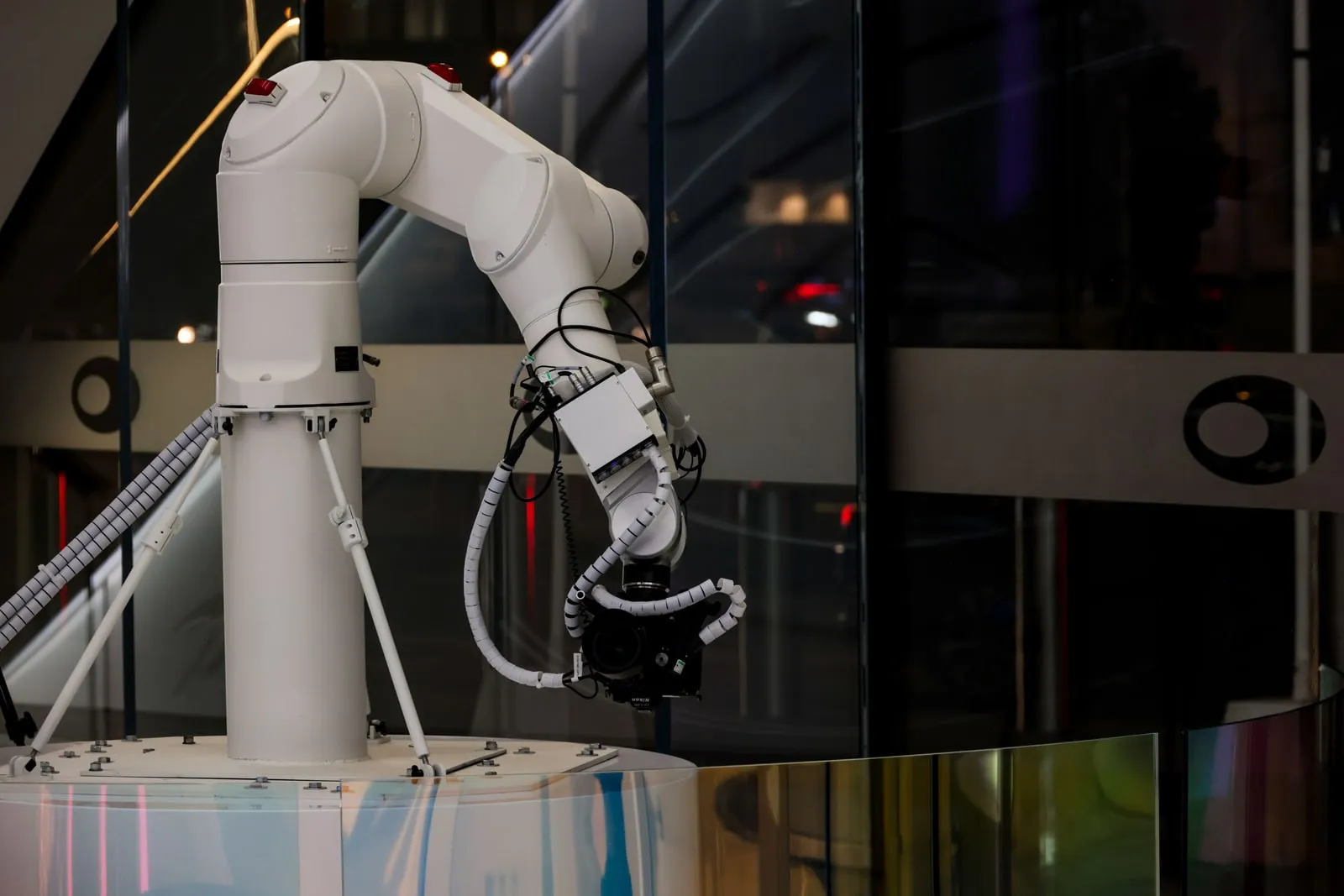
It also annotates video at multiple levels — Google’s example is origami folding — estimates how far through a task a robot is, and solves a twelve-ball balance puzzle using stereo vision alone. The Decoder reports that Google has rebuilt 68 published robotics papers as browser-based interactive simulations this way.
Two benchmarks, two answers
Google’s own figure is 87% on ERQA, an embodied reasoning benchmark of 400 questions answered with no tools, which it says is ahead of every other frontier model. The Decoder lists the comparison set as Claude Opus 5.5 at 82.3%, GPT-6 Astra at 81% and Claude Fable 5.1 at 74%. That is a vendor-reported number on a benchmark the vendor selected.
A day later, Artificial Analysis published AA-Robotics, an eight-task index scored out of 100. There, GPT-6 Astra scored 69, GPT-6.1 Sol 65, and Argon 55 — third place. The two results are not contradictory; they measure different things, and the gap is a reminder of why a vendor’s own chart is not an independent result.
What the demos do not say
The Decoder notes three limits worth carrying. The demonstration prompts contain detailed human guidance, including pre-built commands and lists of prohibited actions. Google does not report failure rates for the individual demos. And the 75% success figure does not say how many attempts it is drawn from.
Availability
Argon is in Google AI Studio and Antigravity for Google AI Ultra subscribers, and on the paid tier of the Gemini API as gemini-4-argon in the Interactions API, with day-one support in the google-genai SDKs. Google gives no robotics-specific pricing beyond those tiers. The thing to watch is whether a lab outside Google reproduces the simulation-to-real numbers on hardware Google did not choose.