The deal
Analog Devices said on Wednesday it has agreed to buy Alif Semiconductor for $1.35 billion in cash, with up to $200 million more contingent on performance. Both boards have approved. The transaction needs clearance under the Hart-Scott-Rodino antitrust review and ADI expects to close it by the end of 2026.
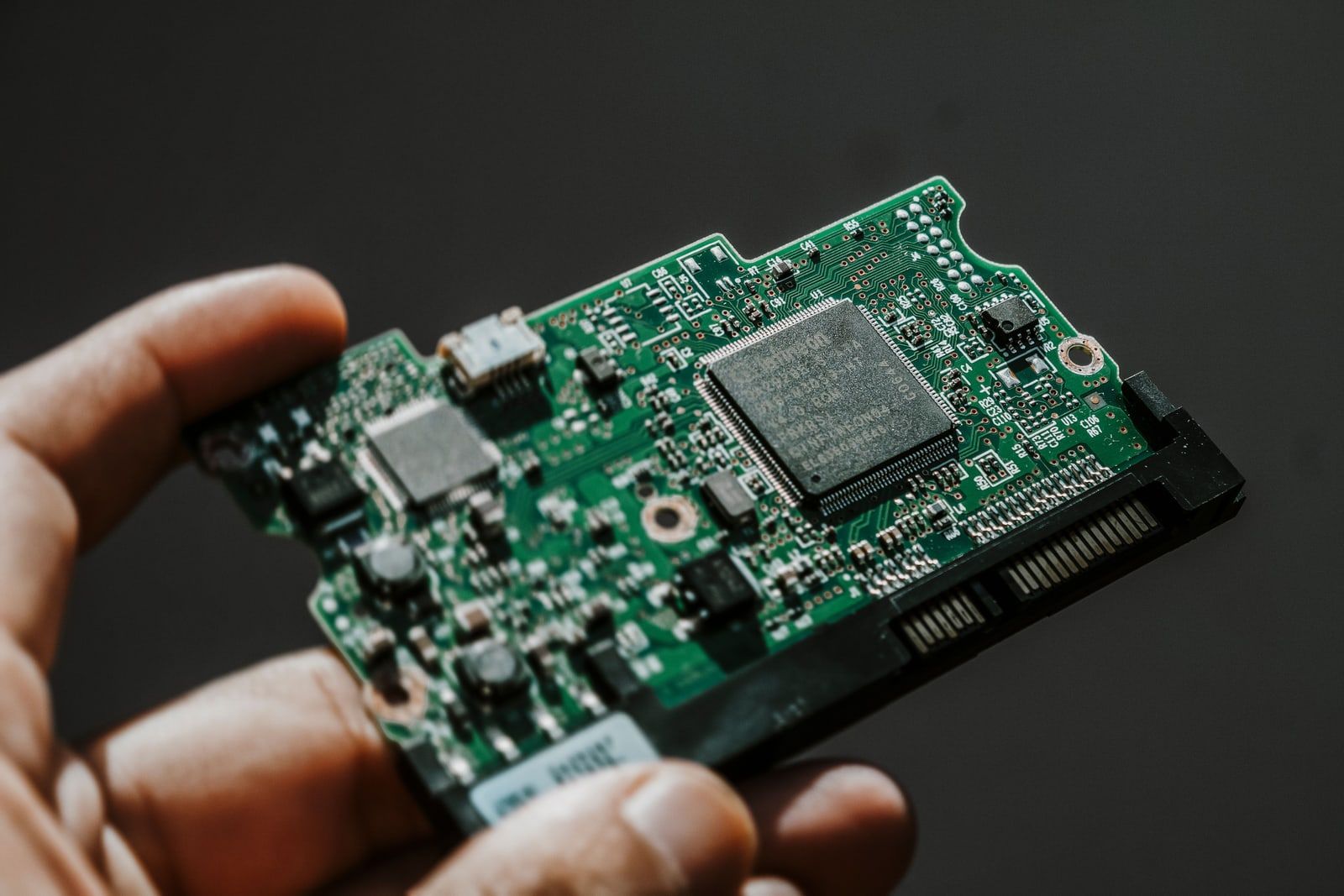
Alif, based in Pleasanton, California, makes microcontrollers and what it calls fusion processors — parts designed for real-time sensor fusion and low-latency inference running on the device rather than in a data centre. ADI says Alif already has design wins in production with consumer and industrial customers.
Why a sensor company is buying inference silicon
ADI’s business is the analogue edge of computing: measuring physical quantities and turning them into signals. Adding a processor that can run a model on the same board changes what those products do. A vibration sensor that classifies a bearing fault locally sends a verdict instead of a stream, which cuts power, latency and bandwidth at once.
Chief executive Vincent Roche framed it as combining Alif’s digital processing with ADI’s position in multi-modal sensing, signal processing, power, connectivity and software. Alif co-founder and president Reza Kazerounian pointed the same way, at ADI’s physical-domain expertise and analogue system capability.
The second one this year
This is ADI’s second sizeable AI-adjacent acquisition of 2026. In the first half it agreed to buy Empower Semiconductor for $1.5 billion in cash, a power-delivery business aimed squarely at AI data centres, with closing expected in the second half of the year.
Read together, the two deals sit on opposite ends of the same trade. Empower is about feeding current to accelerators in a hall; Alif is about not needing the hall. ADI has spent $2.85 billion this year covering both.
The market being bought into
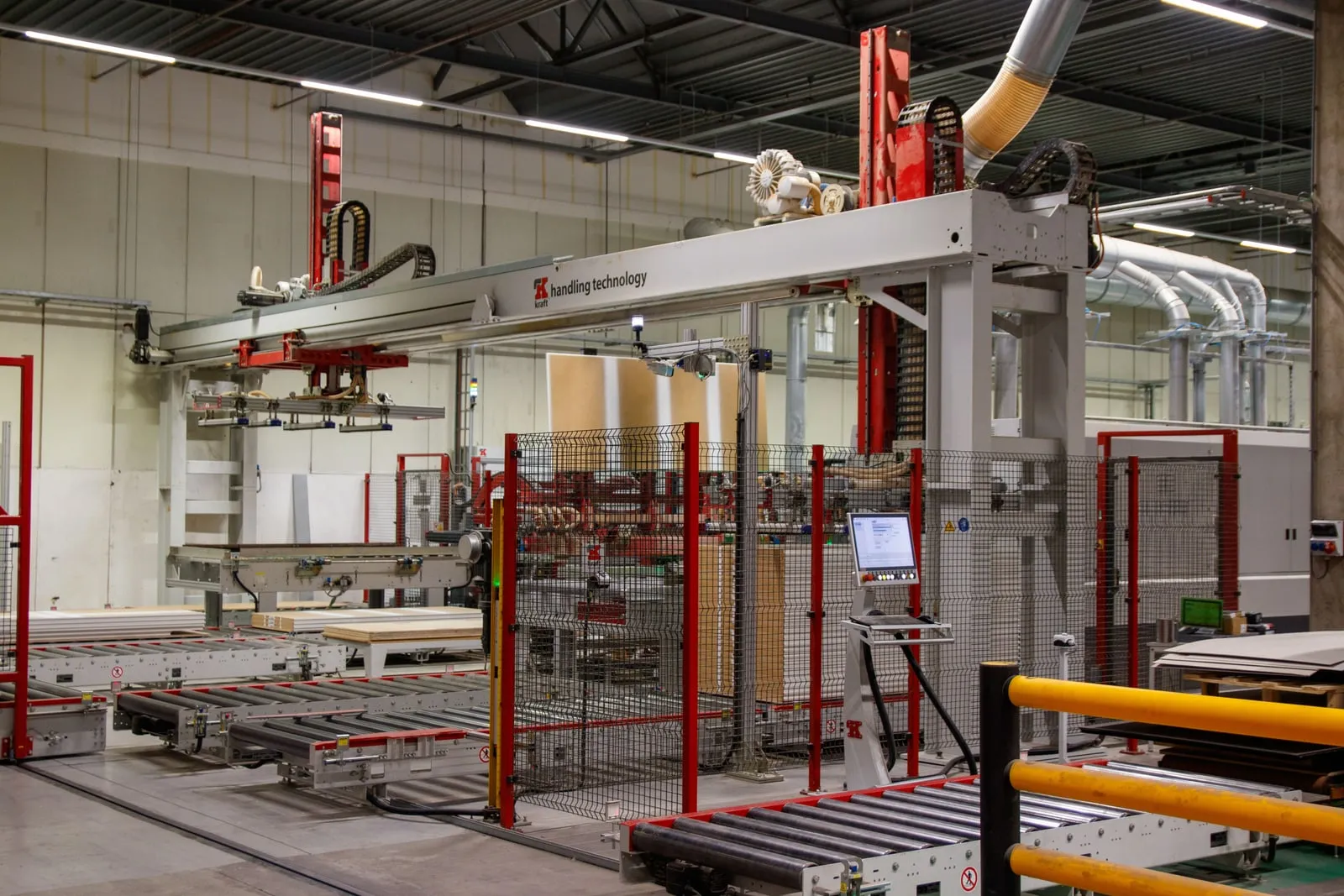
Edge inference is where the robotics and industrial-automation buildout actually consumes chips. A humanoid or an inspection line needs decisions in milliseconds and cannot depend on a network round trip. That is the demand ADI is paying for — not model training, but the far larger number of endpoints that will run small models continuously.
What to watch
The Hart-Scott-Rodino review is the only formal hurdle disclosed, and nothing about this combination looks likely to trouble it. The thing worth watching afterwards is whether ADI keeps Alif’s parts available to customers building against competing sensor lines, or folds them into its own stack.