What happened
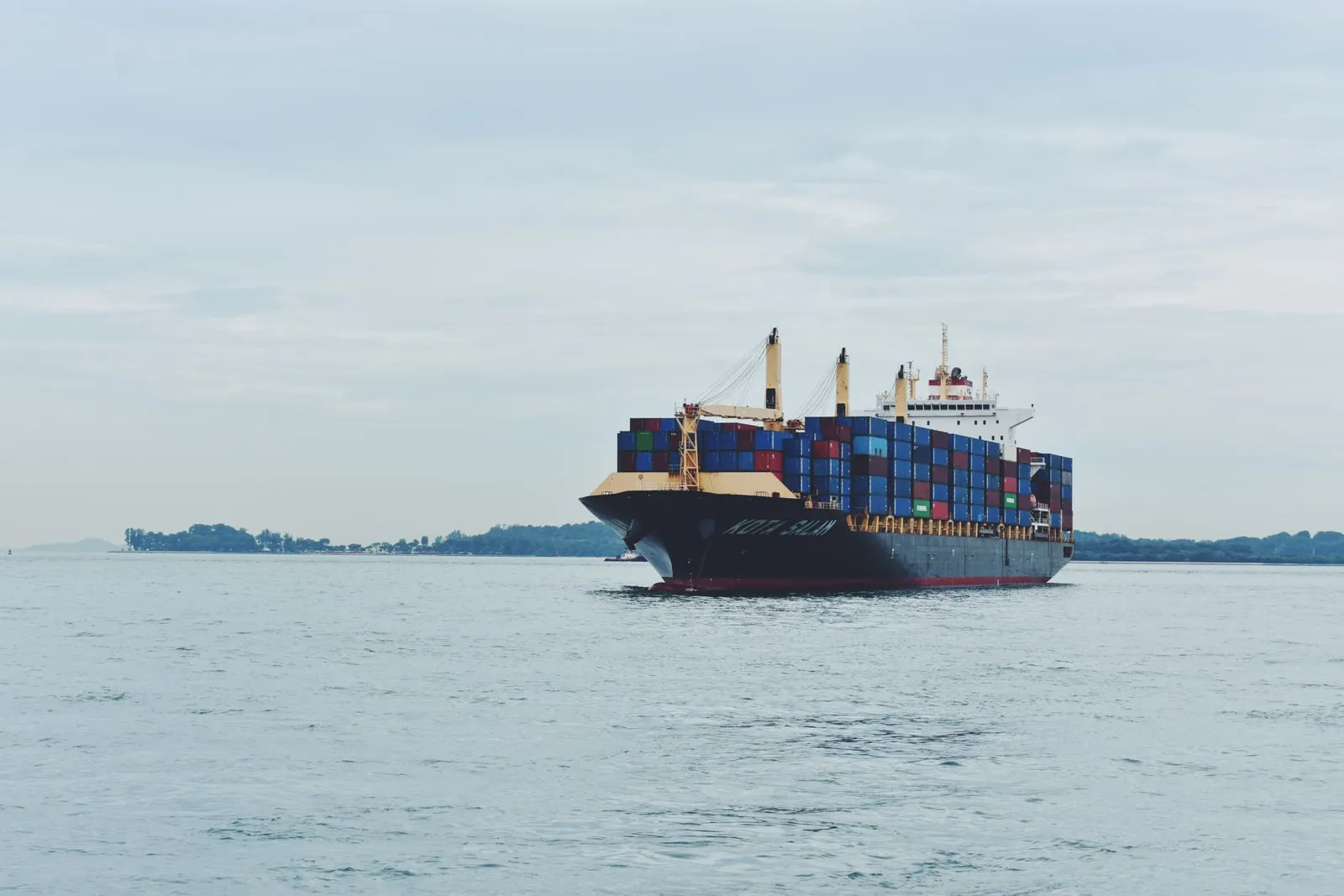
An intelligence report that circulated across the US military this spring said a Chinese ship in the Middle East was carrying components of a nuclear weapons programme. The military moved to intercept it. Armed personnel were preparing to board and military aircraft were already in the air, CNN reported on Friday, citing four sources familiar with the episode.
Only just before the operation did officials look more closely at the report. It had been put together by a special operations command analyst with the help of artificial intelligence, and the chatbot the analyst used had misidentified what the ship was carrying. CNN was not able to establish what the cargo actually was.
The report was “entirely false”, one source told CNN. It also “almost started a war”, the same source said. A US boarding of a Chinese vessel carries an obvious risk of escalating into an armed confrontation between the two countries.
How the error was produced
The analyst queried a chatbot about intelligence reporting on the ship’s manifest that had originated with US Special Operations Command Pacific, based in Hawaii. The system fused open-source material with classified signals intelligence held in government systems and reached its conclusion about the cargo.
The analyst then used AI a second time, to package the finding into a standard intelligence product — the format military officers are trained to trust — and sent it out.
CNN was not able to determine whether the chatbot was a commercial product or a government-built one. A former senior US official familiar with the systems analysts use put the distinction this way: “The internal tools are mostly just copies of the commercial stuff wearing lipstick.”
US Special Operations Command Pacific and the Pentagon did not respond to CNN’s request for comment.
A deliberate acceleration
The episode lands in the middle of a push to put AI everywhere in US defence and intelligence work. In January, Defense Secretary Pete Hegseth released an Artificial Intelligence Acceleration Strategy. “We will unleash experimentation, eliminate bureaucratic barriers, focus our investments and demonstrate the execution approach needed to ensure we lead in military AI,” he said announcing it.
The accompanying memo described the aim as “democratizing AI experimentation and transformation across the Department by putting America’s world-leading AI models directly in the hands of our three million civilian and military personnel, at all classification levels”.

That rollout is decentralised. Different parts of the department use different tools under different orders and different safety standards, several officials told CNN, and there is no single standard for verifying what those tools produce. Reliability varies widely between systems.
The risk that is already here
Washington has spent recent weeks arguing about whether advanced models might escape human control. This episode points at something narrower and nearer: people making consequential decisions on the strength of output that reads authoritative and is wrong.
One source familiar with current policy told CNN that “AI in targeting is definitely something that is ramping up and there is no real guidance for how having a human in the loop will prevent civilian casualties or fratricide.” Another source said hallucinations of this kind have not been isolated across the intelligence community since the tools began spreading.
Older officials described a second-order effect: the tools raise the tempo at which analysts are expected to produce and circulate finished intelligence, and younger analysts trust them more readily. As one source put it to CNN: “AI allows you to get to a bad idea faster.”
Neither the Pentagon nor Special Operations Command Pacific has said whether the verification standards the episode exposed are being changed.