Two features, one idea
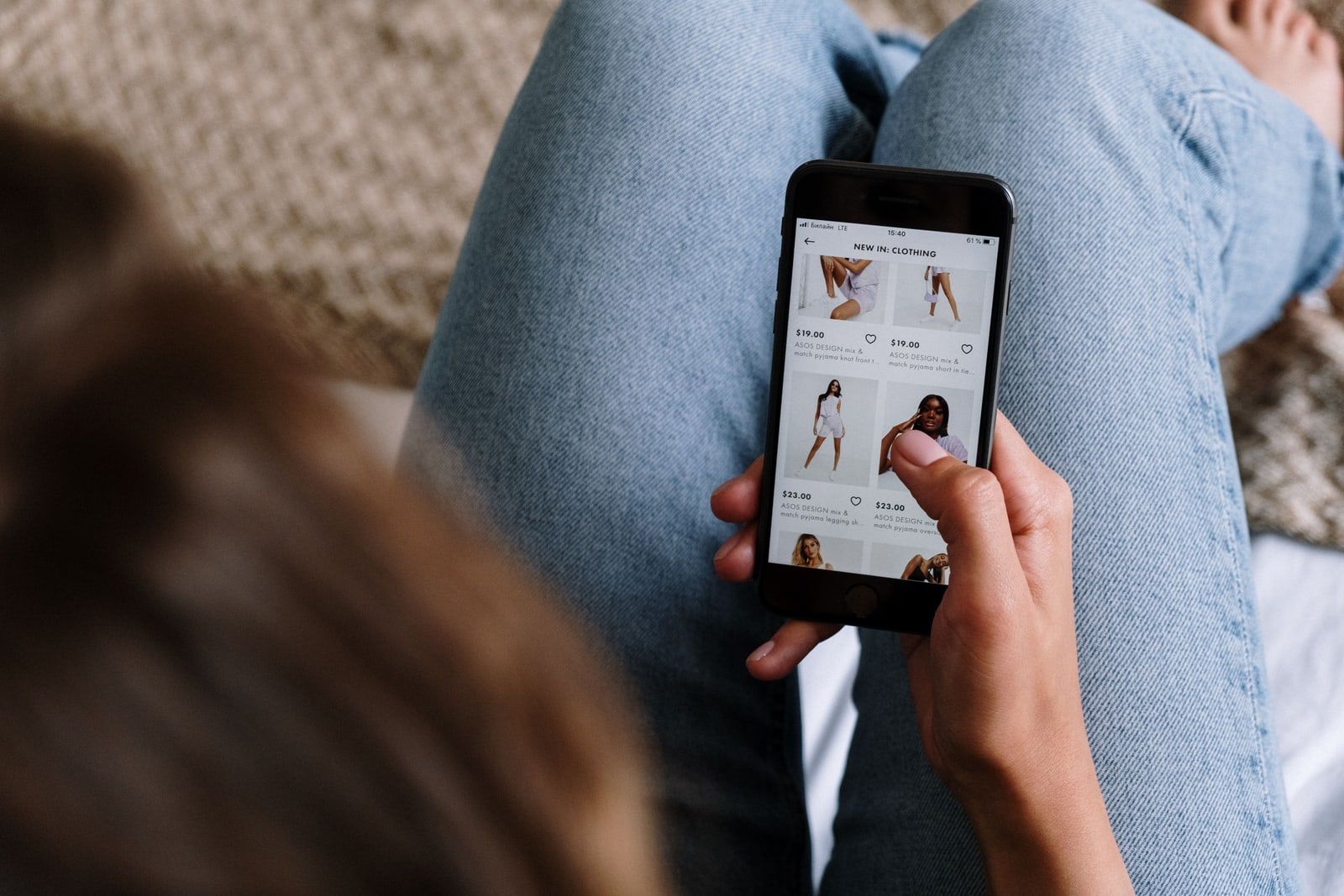
TikTok announced Shopping Assistant and Buy Direct on 5 October at Advertising Week in New York. The first is a conversational agent that answers questions about a product — details, sizing, shipping, availability — remembers what the user is looking for, and can complete the purchase without leaving the conversation. The second puts checkout one tap from the video feed, letting people buy from a brand without being sent to a separate site.
The company groups both, along with a lead-generation feature it calls Agentic Leads, under the heading Agentic Commerce. The stated goal is to remove the steps between seeing a product and owning it.
The plumbing is other people’s
TikTok built these with established commerce and payments infrastructure rather than its own: Salesforce, Shopify, Shoplazza and Stripe are named as partners. That matters more than it sounds. An assistant that can take a payment inside a chat needs a checkout, a fraud model, a tax engine and a returns path, and none of those are things a video app has.
It also puts TikTok on the same side of an argument that has been running all autumn. Shopify opened checkout to browser-based agents in late September. Airbnb said last week it is unlikely to let outside agents make bookings. The split is between platforms that want agents transacting inside their own surface and platforms that do not want someone else’s agent in the funnel at all.
Why TikTok in particular
The commercial case is the existing volume. Market research cited in the coverage puts TikTok Shop at roughly $15.8bn in US sales this year, about 18% of US social commerce. An assistant that closes a sale inside the conversation is not adding a new business to that; it is removing the drop-off between an impulse and a card.
The thing worth watching is what the assistant is allowed to say. A conversational agent that answers sizing and shipping questions is making representations on a merchant’s behalf, in a format with no page to point back to if it gets one wrong. TikTok has not published how those answers are grounded in merchant data, or who is liable when they are not.