A six-year lease on 457 megawatts
TensorWave, an AI cloud provider backed by AMD Ventures, has signed a six-year agreement with OpenAI to supply 457 megawatts of IT capacity across multiple US data centre sites, powered by AMD Instinct MI455X GPUs.
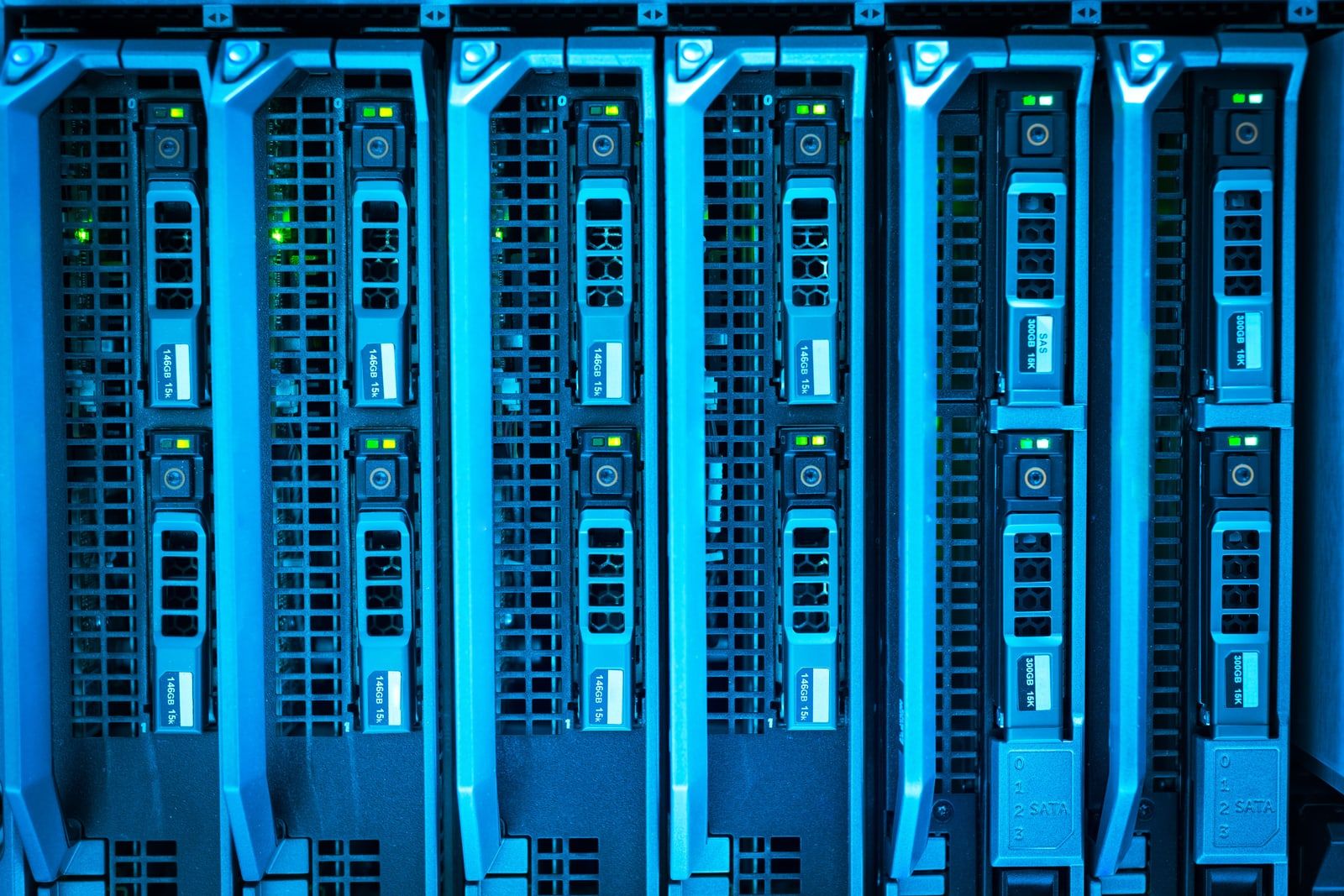
The figure is contracted IT power, not electricity being drawn today. Nothing runs yet. TensorWave says capacity is expected to begin coming online in the first half of 2027, with the full deployment expected by early 2028. The infrastructure will be purpose-built for AMD’s Helios rack-scale systems and operated as dedicated, single-tenant capacity for OpenAI alone.
The sites are being designed specifically for Helios, with high-performance Ethernet scale-out networking across racks — a detail that matters because it is the networking choice AMD has pushed as the alternative to Nvidia’s proprietary fabric.
Who TensorWave is
This is the part the announcement is really about. TensorWave says it is the first neocloud publicly named as an infrastructure provider supporting the AMD–OpenAI agreement, which until now has been described only at the level of the two principals.
The company specialises in memory-intensive workloads and runs what it calls one of the world’s largest AMD-exclusive AI clouds. It was the first public cloud to deploy AMD Instinct MI300X infrastructure, and has since run production deployments across successive AMD generations. It raised a Series B in June 2026, and says it has secured more than two gigawatts of long-term data centre capacity.
That last number is the context for this one. A company that has locked up two gigawatts of power and signs away 457 megawatts of it on a six-year single-tenant lease has committed under a quarter of its pipeline to one customer. It is also, by its own description, an AMD Helios launch partner — which means the deployment doubles as the reference build for a rack system AMD needs to work in public.
What each side said
“TensorWave has been a strong partner in scaling AMD Instinct infrastructure, and we are excited to expand our work together with this landmark deployment for OpenAI,” said Vamsi Bopanna, senior vice-president for AI at AMD.
Piotr Tomasik, TensorWave’s president and co-founder, framed it as a test of whether AMD can carry frontier work: the company “was built to prove that AMD infrastructure could operate at the scale and reliability that the world’s most demanding AI companies require.”
Uday Ruddarraju, OpenAI’s chief technology officer for compute, kept to the supply line: “As demand for AI continues to grow, expanding access to reliable, large-scale compute is critical to our ability to build and deliver increasingly capable models.”
What it does and does not tell you
It tells you AMD’s OpenAI partnership is being built out through third parties rather than only through AMD and OpenAI directly, and that at least one of those third parties is small enough that the deal is its largest ever.
It does not tell you the price, the financing, which states the sites are in, or what happens to the capacity if either side walks. The release gives none of that.
The thing to watch is the first-half-2027 date. Capacity contracted for delivery fourteen months out depends on grid connections, transformers and Helios racks all arriving on schedule, in a year when the industry body for circuit boards has already warned that availability rather than price is the binding constraint. A 457-megawatt lease is a promise about 2028 dressed as news about 2026.