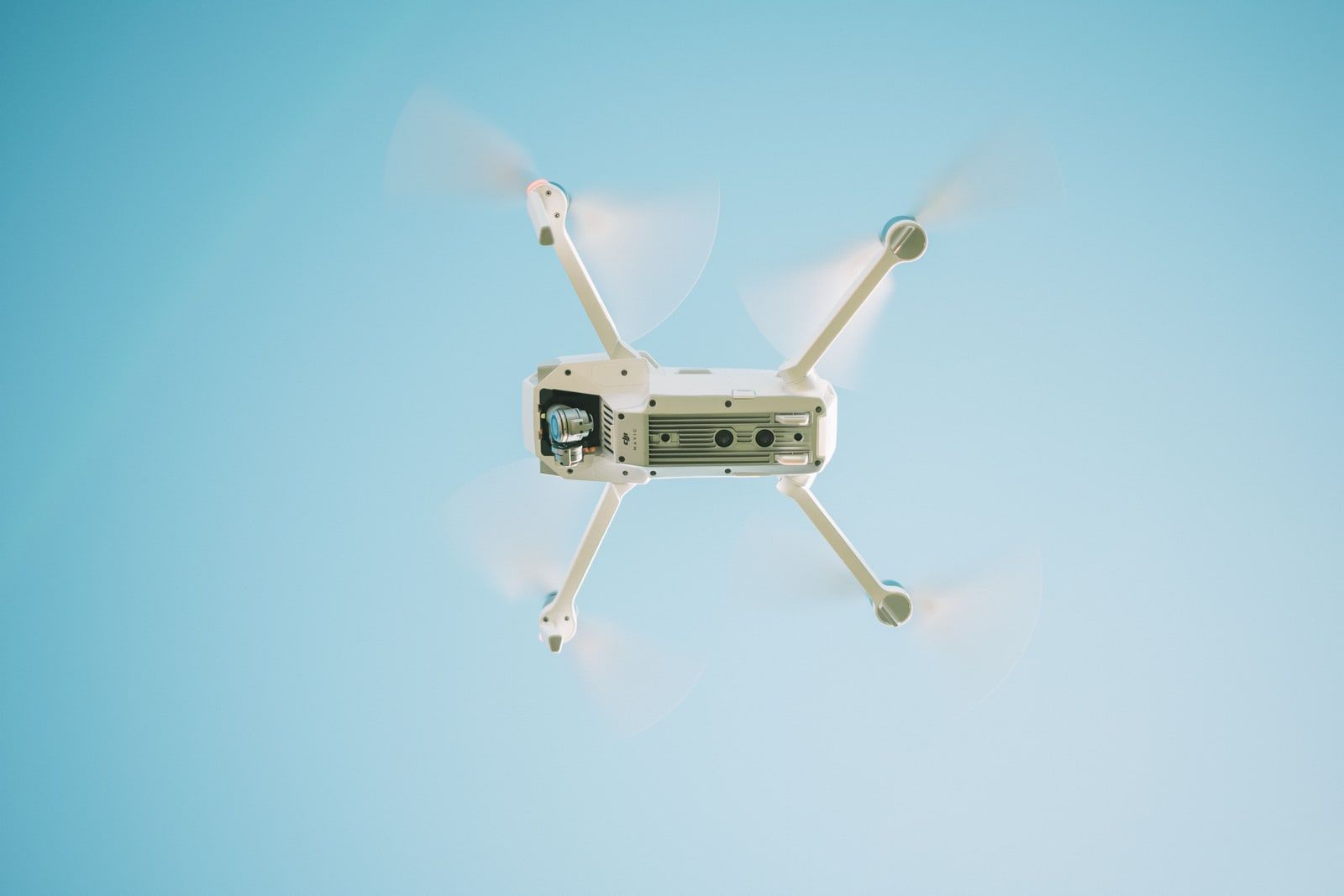
Tekever, the Portuguese-British maker of AI-guided autonomous surveillance systems, has raised $580m at a $6.4bn valuation. UC Investments and Baillie Gifford led the Series D, Reuters reported on 23 September, with Merlyn Advisors joining as a new investor alongside existing shareholders Crescent Cove, Ventura Capital and Iberis Capital.
The company says it will use the money to widen its global footprint, strengthen its industrial and technological capacity, and pursue acquisitions.
What the valuation is actually pricing
Tekever’s central claim is operational rather than technical: its systems have logged more than 50,000 flight hours over Ukraine since 2022. For an autonomy company, that is the asset. Flight hours in a contested electromagnetic environment — against jamming, against spoofing, against an adversary adapting weekly — produce data and failure modes that no test range generates.
The company was also selected by the UK Ministry of Defence for a surveillance programme worth up to £400m over ten years, giving it a government customer with a long contract as well as a wartime reference.
Who is writing the cheques
The investor list is not a defence syndicate. UC Investments manages the University of California endowment and Baillie Gifford is a Scottish growth investor better known for backing consumer technology, which places a pension-scale capital pool in a company selling to militaries. That shift in who is willing to hold defence equity has been as consequential for the sector as the budget increases themselves.
The pattern this fits
European defence-technology companies have been drawing larger rounds as national military budgets rise, as CNBC noted. What is different about Tekever is that the AI content is the product rather than a layer on top of it: the systems are sold on autonomy and on-board perception, not on airframe.
That also means the usual questions apply. How much of the autonomy is on the aircraft and how much depends on a link back to an operator is the distinction that decides whether these systems work when the link is jammed, and it is not something a funding announcement answers.

What to watch
Which companies Tekever buys. A drone maker with $580m and a stated acquisition plan is shopping for capabilities it does not have, and the targets will say more about where it thinks the technology is going than the round does. Bloomberg has reported that this is a first close, so the final size may be larger than the figure announced.