What was released
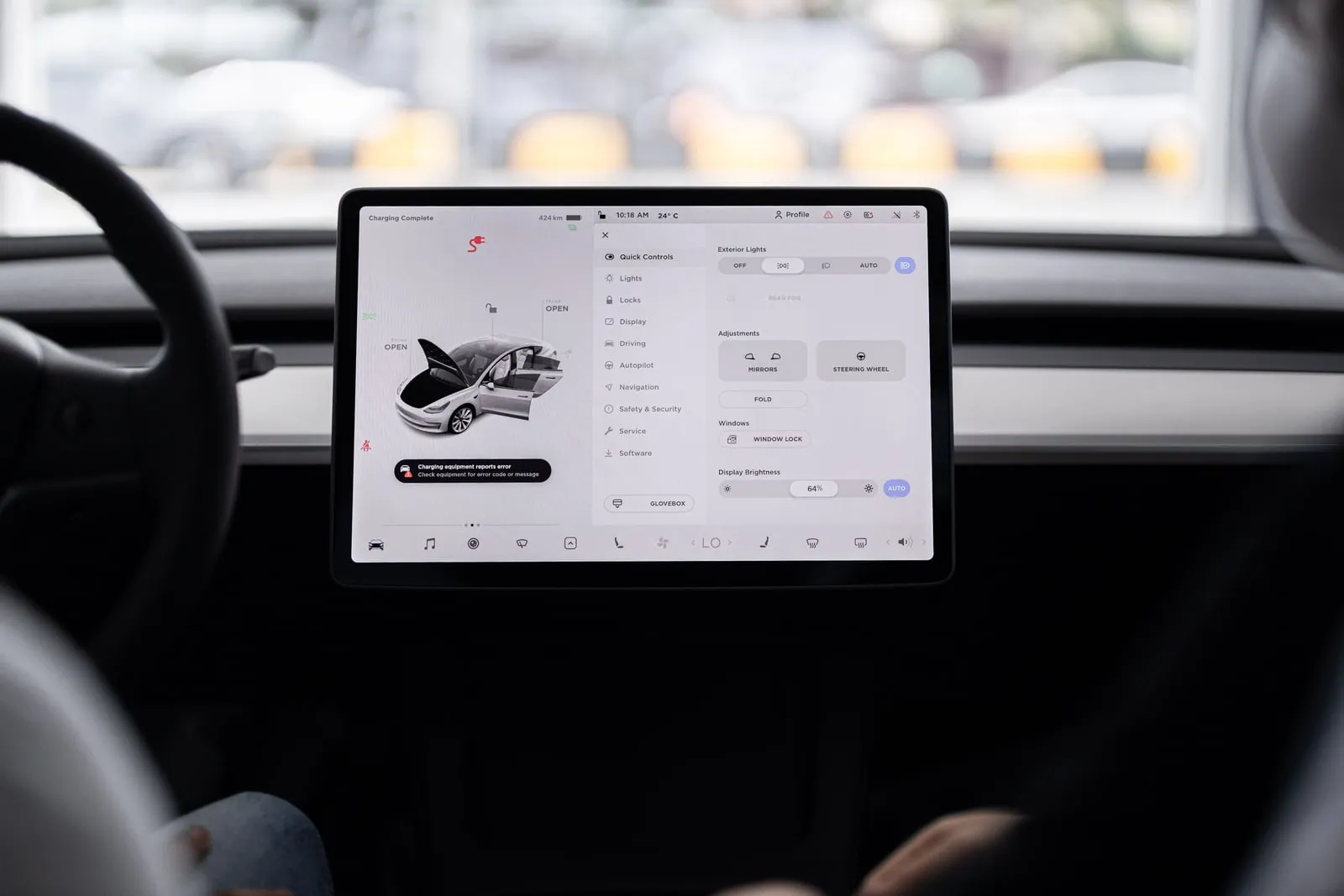
SpaceXAI released Grok Voice Transcribe 2.0 on Thursday, a speech-to-text model built on the audio foundation behind Grok Voice, which the company says already runs customer-support calls and the assistant in Tesla vehicles, according to its announcement.
The company’s claim is that the model is “twice as accurate as Grok Voice Transcribe 1.0, at the same price”. Pricing is unchanged at $0.10 per hour of audio for batch transcription and $0.20 per hour for streaming, with diarization, timestamps and key term biasing included at no extra cost.
Where the gains are
The per-category numbers are more informative than the headline. SpaceXAI reports word error rates falling from 20.6% to 6.8% on short phrases across 19 languages, from 8.7% to 3.3% on conversational audio, from 7.2% to 3.2% on credentials such as phone numbers and email addresses, and from 10.6% to 7.1% on telephony tests using compressed 8 kHz audio.
Those four categories are exactly the ones that break transcription in production. A short utterance gives a model almost no context to disambiguate with; a spoken email address has no linguistic redundancy at all; and 8 kHz telephony throws away the high frequencies that distinguish consonants. Cutting error on short multilingual phrases by two thirds is a bigger practical change than the headline figure suggests.
The independent check
Unlike most model announcements, this one has an outside reference point. On the public Artificial Analysis leaderboard, Grok Voice Transcribe 2.0 ranks first for accuracy among 32 streaming models, with a 2.7% word error rate on its first final transcript, down from 3.9% for version 1.0, Unite.AI reports.
That is a third-party measurement on a public list, which is a different kind of evidence from the per-category figures above. Both are worth having; only one of them was produced by someone other than the vendor.
What it does
The model supports batch and streaming transcription, word-level timestamps, speaker diarization, multichannel transcription, key term biasing, text formatting, filler word removal and smart turn detection for voice agents. It handles dozens of languages with automatic detection and can follow a language switch mid-recording.
It will become the default in the Speech-to-Text API. Version 1.0 is being deprecated but can be pinned during the transition.
What to watch
Turn detection is the part that matters for agents rather than transcripts. A voice agent that interrupts a caller mid-sentence fails for reasons that never show up in a word error rate, and no public leaderboard currently measures it well. Watch for whether anyone publishes a turn-taking benchmark that the streaming models can be ranked on.