The numbers
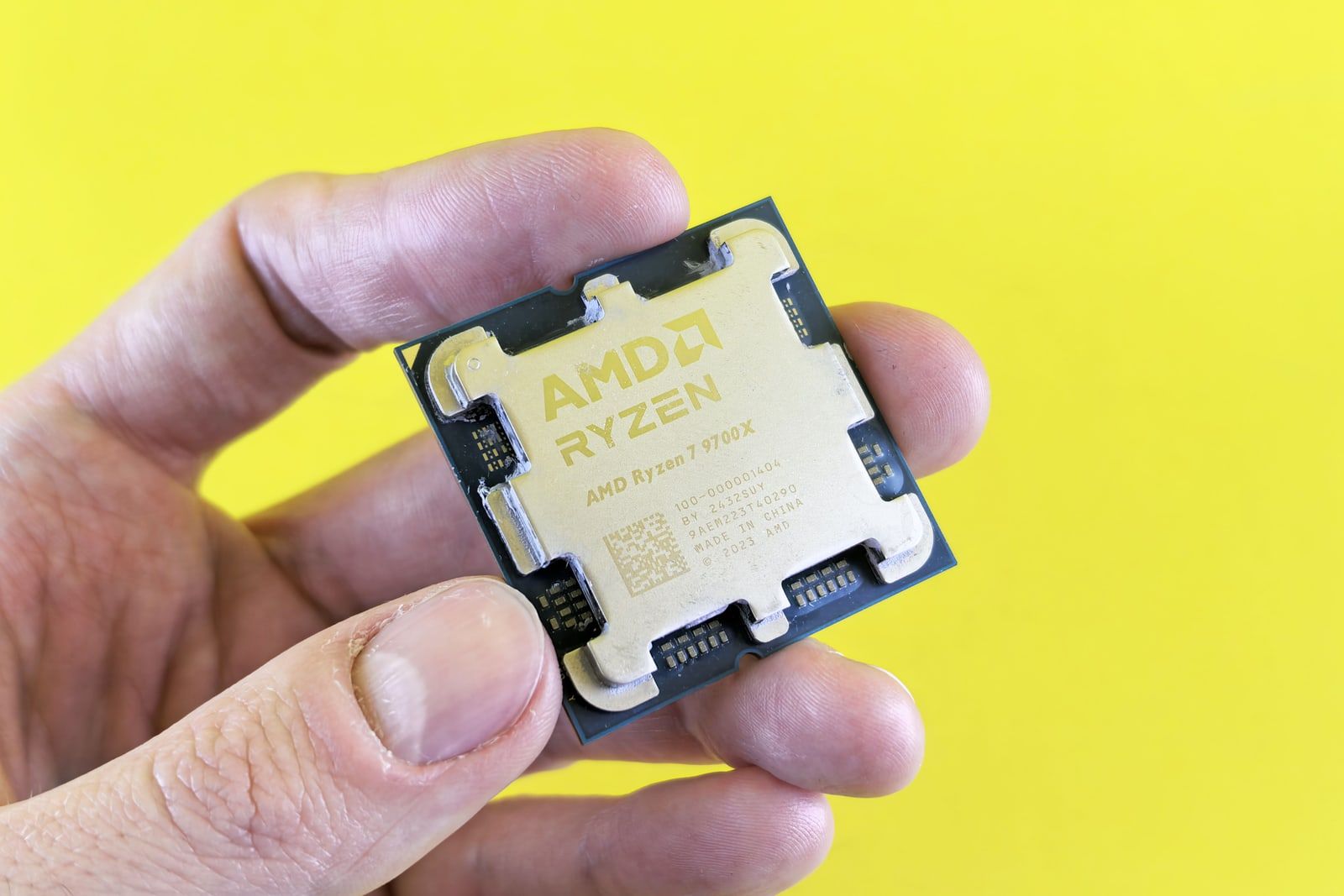
South Korea’s semiconductor exports rose 270.1% from a year earlier to $16.48bn in the first ten days of September, according to customs data reported by Xinhua on 11 September. That is a record for the first ten days of any month.
Chips pulled total exports up 82.6% to $34.97bn over 1 to 10 September, also a record for the period and above the previous high of about $30bn set in July. On those figures, semiconductors made up about 47% of everything South Korea shipped abroad in the ten days.
The Korea Customs Service attributed the jump to “robust semiconductor shipments amid the global artificial intelligence boom,” The Korea Herald reported.
Not only chips
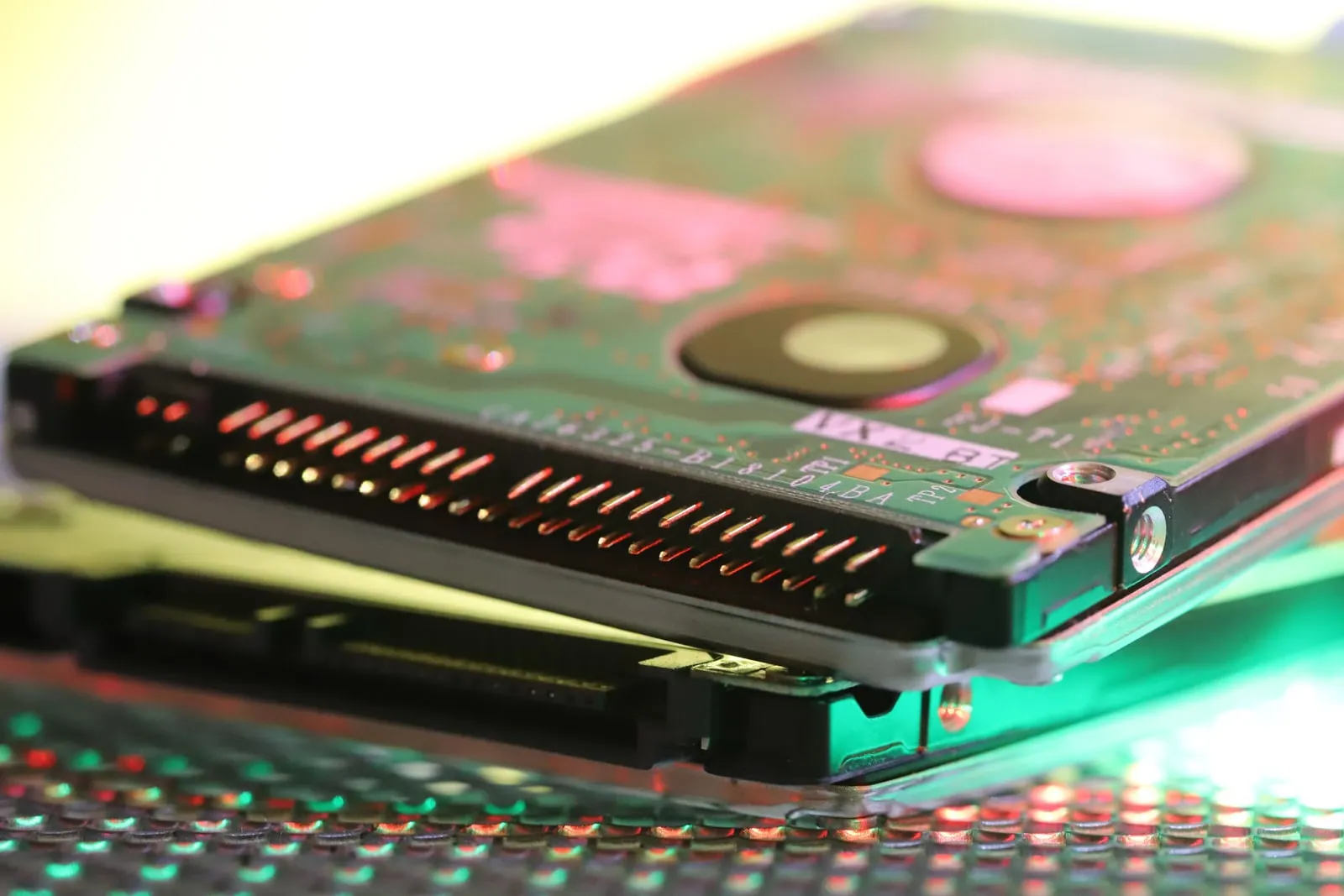
The AI build-out showed up outside the chip line too. Exports of computers and peripherals rose 93.1% to $635m, which Xinhua attributed to strong demand for solid-state drives driven by AI investment.
Other categories grew as well, though from a smaller base. Petroleum product exports rose 57% to $1.87bn and car exports 10% to $1.7bn, while ship exports rose 66.8% and steel 10.3%, according to The Korea Herald.
Imports grew far more slowly, up 20.7% to $24.61bn. That left a trade surplus of $10.36bn for the ten days, and the daily average of exports reached $4.11bn, Xinhua reported.
Where the chips went
The two largest buyers of South Korean goods both increased their purchases sharply. Exports to China doubled to $7.95bn, while exports to the United States rose 137.5% to $7bn, The Korea Times reported.
The US figure matters for the AI supply chain. American hyperscalers are building data centres at a pace that depends on high-bandwidth memory and storage, much of which comes from Korean factories. A 137.5% rise in shipments to the US in ten days is a direct read on that demand.
The year so far
Exports from the start of the year to early September reached $728.5bn, up 54.1% from the same period a year earlier, with an accumulated trade surplus of $212.9bn, according to The Korea Herald.

A caveat on ten-day data
The figures cover only the first ten days of the month, and early-month numbers can move sharply when the calendar shifts a few working days in or out of the window. They are best read as a signal of direction, not a final count.
The direction, though, has been consistent. The July record that September’s first ten days surpassed was itself only two months old. Full-month September trade data, due at the start of October, will show whether the pace held for the rest of the month.