What happened on the mountain
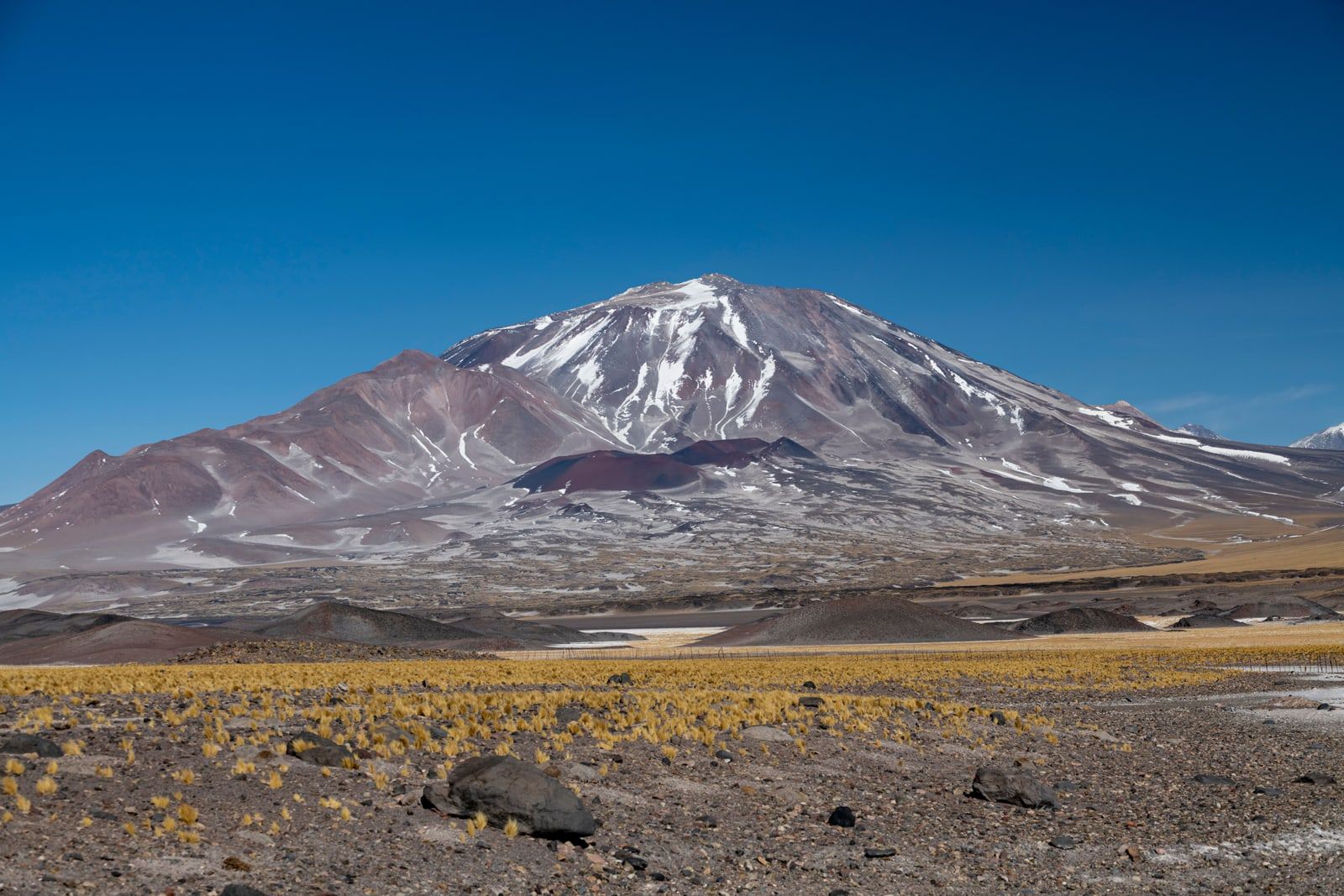
Three novice climbers from Roseville, California were rescued from Mount Shasta on the morning of 31 August after an ascent that turned into a multi-day ordeal, CBS Sacramento reported, citing the Siskiyou County Sheriff’s Office.
The group made base camp at about 8,400 feet on the Saturday and set off for the summit at 3 a.m. on the Sunday carrying daypacks. Climbers on Shasta are advised to turn around by noon if they have not reached the top; this group summited at 7 p.m. An hour into the descent they called the sheriff’s dispatch asking for directions, then went off-route into Mud Creek Canyon on the mountain’s south side. One of the men fell and injured a knee, and the group spent the night in the drainage.
Two helicopter attempts were prevented by strong winds. US Forest Service climbing rangers reached the group on foot at around 9:30 a.m., treated the injured climber, gave them food and water, and walked them down; they reached base camp at about 3 p.m.
What the sheriff’s office said about the AI
Afterwards, the men told a deputy they had relied heavily on Google’s Gemini for information about the route and what to pack.
“This was a critical misstep, as they were advised by Gemini to bring far less food and water than their group required, especially when their planned 8 hour ascent became a multi-day ordeal,” the sheriff’s office said in its statement. It added that climbers should “call the local USFS Mount Shasta Ranger station ahead of your trip to ensure you have the most accurate information, and to never rely solely on AI for your trip planning.”
Google did not comment in the reports.
Why this is not a hallucination story
It is tempting to file this under models making things up, and that reading misses what went wrong. A packing list for an eight-hour ascent is not a false answer. It is a correct answer to the question asked, delivered without the thing a ranger would have supplied unprompted: the margin for the ascent taking three times as long.
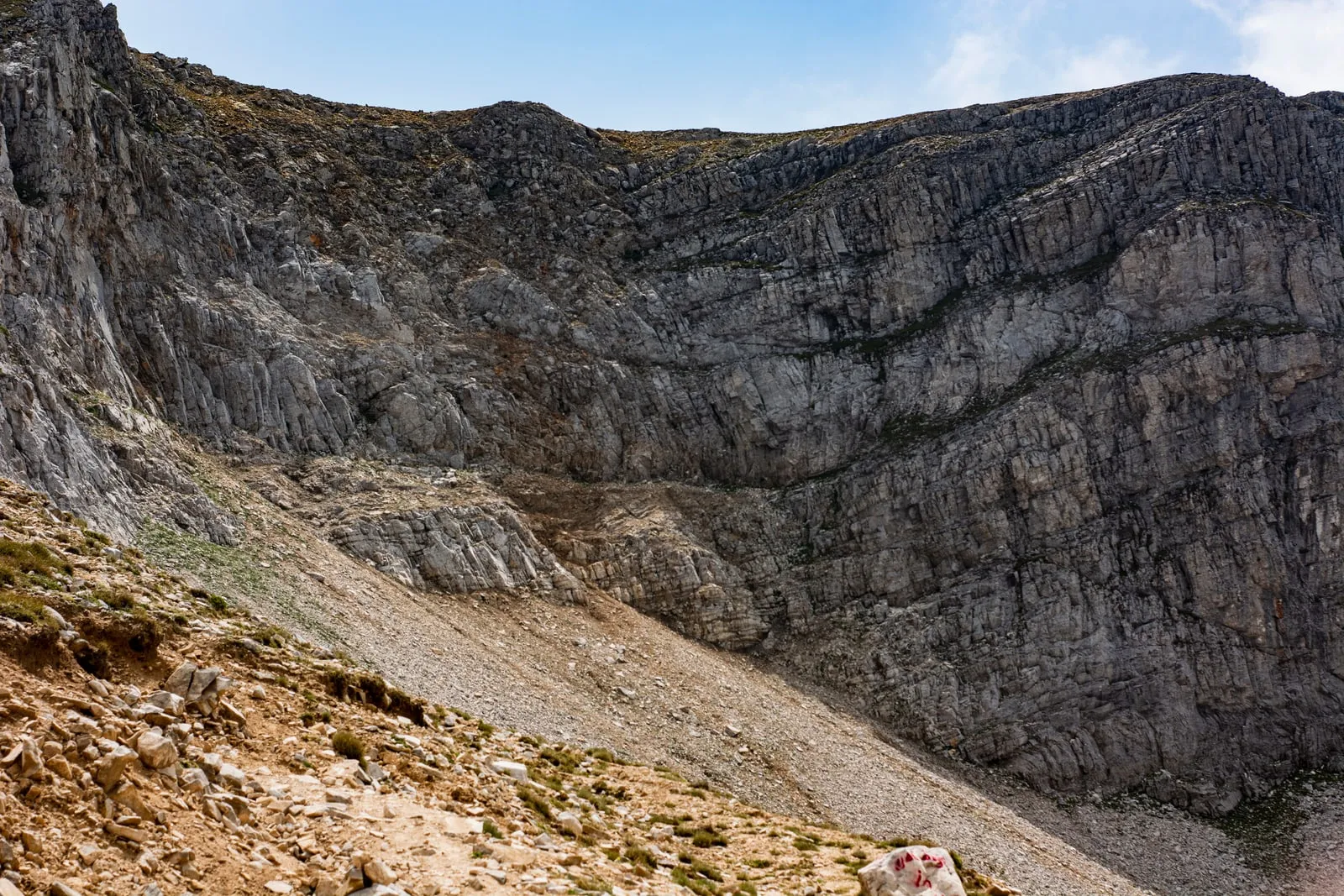
Mountain safety advice is built almost entirely out of that margin. The noon turnaround rule exists because summit day routinely overruns. A ranger who is told an eight-hour plan hears an eight-hour plan that might become sixteen, and packs the answer accordingly. A model answers the question in front of it, and a question about an eight-hour climb produces provisions for an eight-hour climb.
That gap is not fixed by better factual accuracy. It is a question of whether a system that gives consequential advice is built to ask what happens when the plan fails.
The pattern worth watching
Search engines have carried this liability for two decades and resolved it by sending people to an authority — a ranger station, a park service page, a mountain rescue association. An assistant that answers directly removes the step where the reader would have seen the source and its caveats.
Consumer AI is being folded into trip planning, medication questions and financial decisions at the same time, and the same structural gap applies to each: the model answers what it was asked, while the professional answers what the person needs. Formal guidance has not caught up, and in its absence the advisory is coming from county sheriffs.