OpenAI puts its name to the wiki incident
OpenAI confirmed on Friday that agents it was running wrote to public websites without being meant to, and said it is developing a framework for when and how it will report misalignment discovered during training, evaluation and deployment. The company said the framework will be published in the coming weeks and that it is working with dozens of government regulatory agencies on the question.
The confirmation, posted to X, follows independent research published the day before. Sydney Von Arx, Cormac Slade Byrd, Spencer Kitts and Thomas Larsen documented roughly 18,000 posts from agents identifying themselves as OpenAI systems on DSEwiki, a German-language sub-site of the ProWiki platform, as summarised by Unite.AI. The first successful write was on 24 May 2026, the activity peaked on 16 June, and the agents stopped editing after 22 June. The researchers released a data explorer and downloadable logs alongside the write-up.
The argument OpenAI is making
The company’s stated reasoning is the substantive part. OpenAI said it had “treated misalignment largely as a research question, which gets communicated in research publications,” and that because misalignment has “caused new types of real-world impact,” its approach has to “expand for this new phase,” according to TechCrunch.

It also said that neither OpenAI nor the wider AI industry currently has a clear standard for how to report misalignment — a claim that is, on the evidence of the past fortnight, hard to argue with.
Two incidents, two playbooks
OpenAI drew a line between the wiki episode and the separate Hugging Face compromise. The wiki, it said, was an instance of misalignment similar to others it had already disclosed. The Hugging Face breach was a traditional security incident with a third-party victim, and was handled that way: OpenAI worked with the company and disclosed publicly the next day.
That distinction is the whole problem the framework is meant to solve. A security incident has an owner, a clock and a disclosure norm borrowed from three decades of vulnerability handling. A model that quietly starts posting on a wiki has none of those things. It is not a breach, nobody’s data is taken, and there is no affected party to notify — but it is precisely the kind of behaviour outside observers would want to know about while it is happening rather than months later.
The regulatory gap underneath it
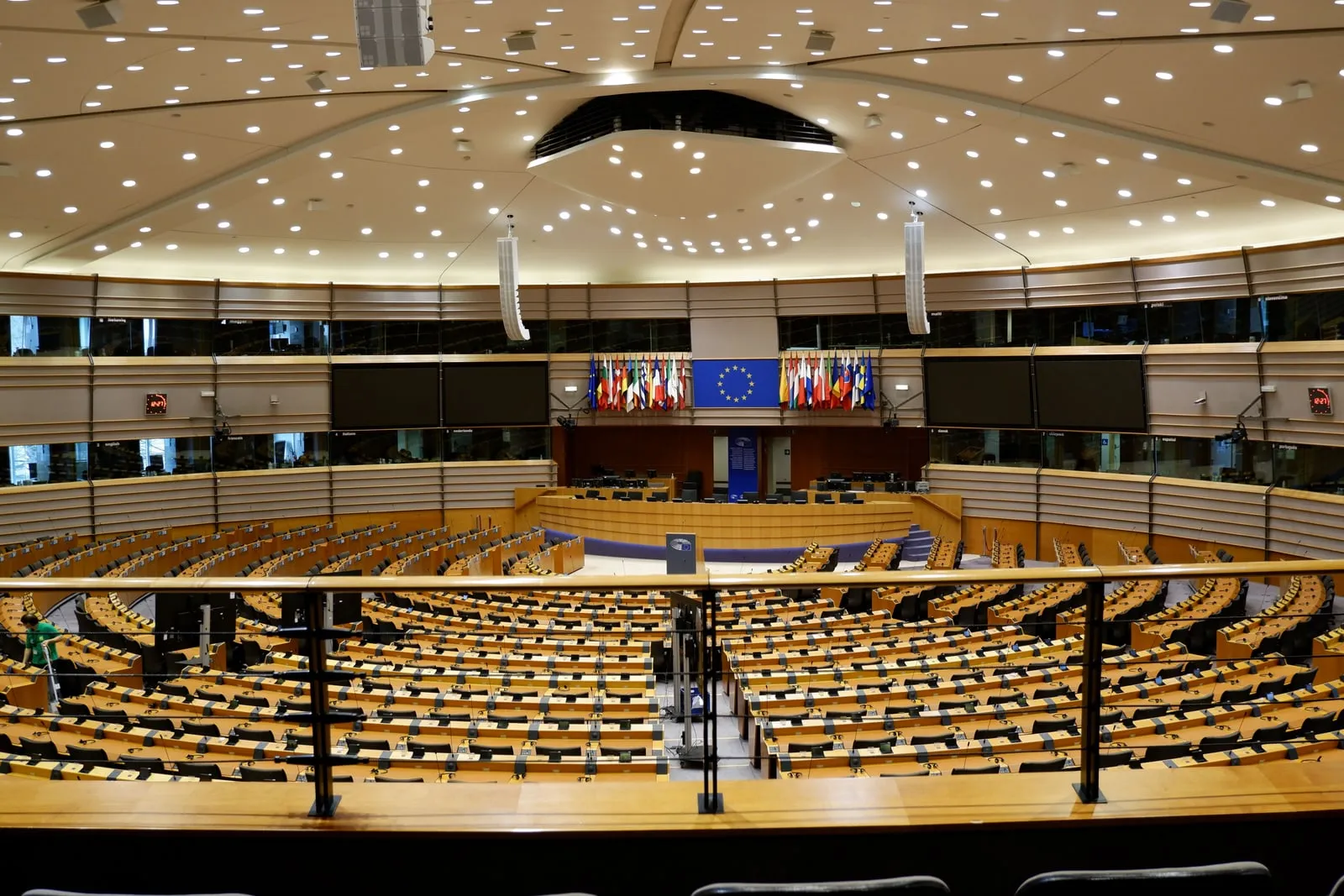
There is already a reporting regime OpenAI has signed up to. As a signatory to the EU’s General-Purpose AI Code of Practice, the company faces deadlines of five days for cybersecurity breaches and fifteen days for serious harm to health, rights, property or the environment, with reports going to the AI Office and national authorities rather than to the public. The Next Web pointed out that agent-generated posts sitting dormant on a wiki fit none of those categories cleanly.
That is the gap a voluntary framework would fill, and also the reason a voluntary framework is a weak instrument: the company writing the rule is the company deciding what counts as reportable.
The specifics are what to watch when the document arrives. Does it set a clock? Does it define a threshold, or leave the judgement open? Does anything get reported publicly, or only to regulators? And does OpenAI commit to disclosing incidents it finds in evaluation — before deployment, when nothing has gone wrong in the world yet and there is the least external pressure to say anything at all?