The deal
OpenAI has bought Glass Imaging, a Los Altos, California startup that uses neural networks to improve smartphone photos, in a deal valued at more than $300m, The Wall Street Journal reported on 14 September. Neither company has publicly confirmed the purchase, SiliconANGLE noted, and OpenAI did not immediately respond to TechCrunch’s request for comment.
Glass Imaging was founded in 2019 by Ziv Attar and Tom Bishop, two former Apple engineers who led the team that developed the iPhone’s Portrait Mode, according to TechCrunch. Attar joined Apple in 2015, when Apple bought his Israeli camera startup LinX Imaging for about $20m, SiliconANGLE reported.
What Glass Imaging makes
The company’s product, GlassAI, is what SiliconANGLE describes as a neural image signal processor. Instead of passing a camera’s raw sensor data through a chain of separate steps, it runs that data through networks trained against a specific camera module, handling demosaicing, noise reduction, sharpening and the fusing of multiple frames in a single pass.
The point is to get more out of the small lenses and sensors that fit inside a phone. TechCrunch described the approach as optimising the image at the moment the shutter fires, rather than editing the photo afterwards.
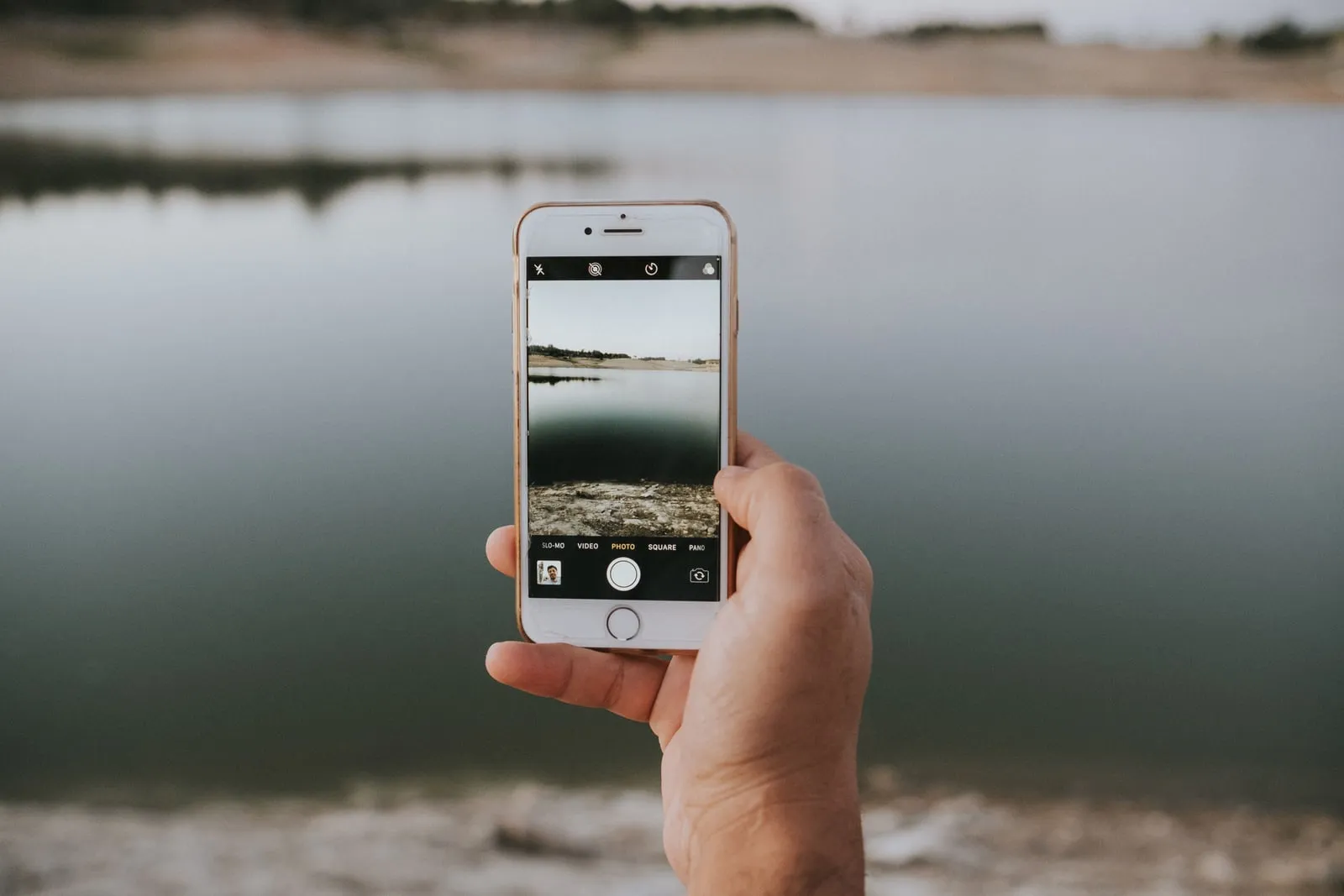
The technology is already shipping. Honor uses it for zoom on its 600 series phones, which have a 200-megapixel main camera, according to SiliconANGLE.
Before the sale, Glass Imaging had raised about $30m. That included a $20m Series A led by Insight Venture Management in May 2025 and a $9.3m seed round in 2024, SiliconANGLE reported. At more than $300m, the reported price is roughly ten times the capital the company raised.
Why OpenAI might want it
OpenAI has not said what it plans to do with the company. The obvious fit is hardware. OpenAI paid $6.5bn in stock for Jony Ive’s device company io Products in May 2025, and TechCrunch reported that it has been developing a range of hardware including smartphones, earbuds and AI companion devices.
A device built around an AI assistant that can see needs a camera that performs well in poor light, at a distance and on a small, cheap sensor. Glass Imaging’s work addresses exactly that problem, and brings in engineers with direct experience of shipping computational photography at Apple’s scale.
The purchase also continues a run of acquisitions. SiliconANGLE listed it alongside the io deal and OpenAI’s acquisition of the tech podcast company TBPN in April.
What to watch
The first sign of how OpenAI intends to use the team will be whether GlassAI stays available to other phone makers such as Honor, or is folded into OpenAI’s own device work. Neither company has said anything about existing customer contracts, and no closing date or deal terms beyond the reported price have been disclosed.