The release
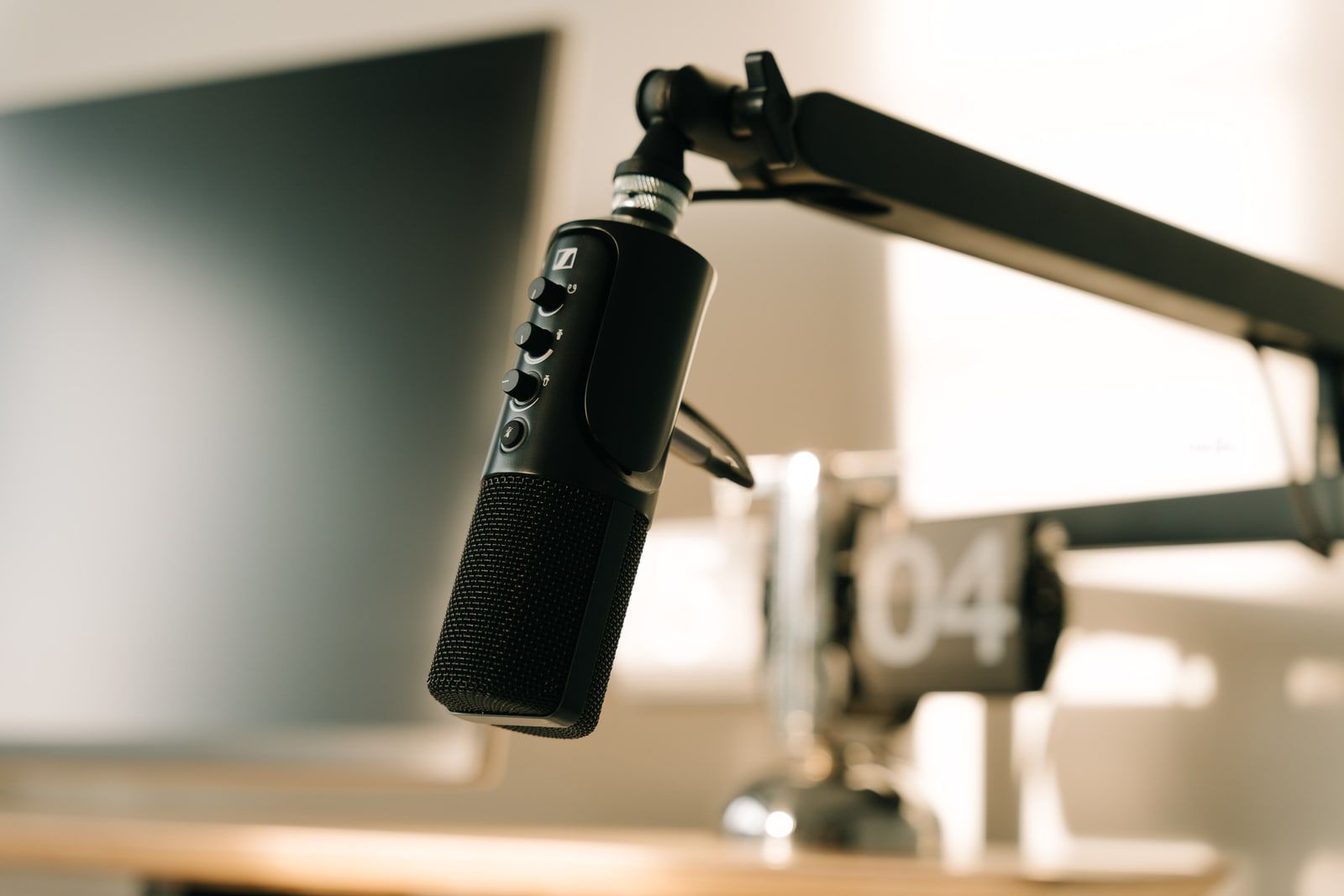
Microsoft AI released MAI-Transcribe-2 on 3 September, a speech-to-text model built in-house and covering 60 languages.
The headline is the price: $0.10 per hour of audio. Microsoft describes that as a limited-time offer running through the end of 2026, which makes it a positioning move rather than a settled rate. The model is available through Microsoft Foundry, the MAI Playground and OpenRouter.
What Microsoft claims
On accuracy, Microsoft says MAI-Transcribe-2 ranks first on the FLEURS benchmark across 60 languages with an average word error rate of 5.2%, and second on Artificial Analysis’s word-error-rate leaderboard, where it says the model defines the Pareto frontier for accuracy against latency.
On speed, the company claims the model is up to 10 times faster than OpenAI’s GPT-Transcribe, seven times faster than ElevenLabs’ Scribe v2 and five times faster than Google’s Gemini 3.5 Transcribe.
Every one of those figures is Microsoft’s, comparing Microsoft’s model against named competitors. The Artificial Analysis placement is the one measured outside the company, and it is a second place rather than a first — a distinction the announcement’s title does not make.
The features that decide real deployments
Word error rate on read speech is not what breaks a transcription pipeline in production. Speaker diarisation, word-level timestamps, behaviour in noise and handling of code-switching are.
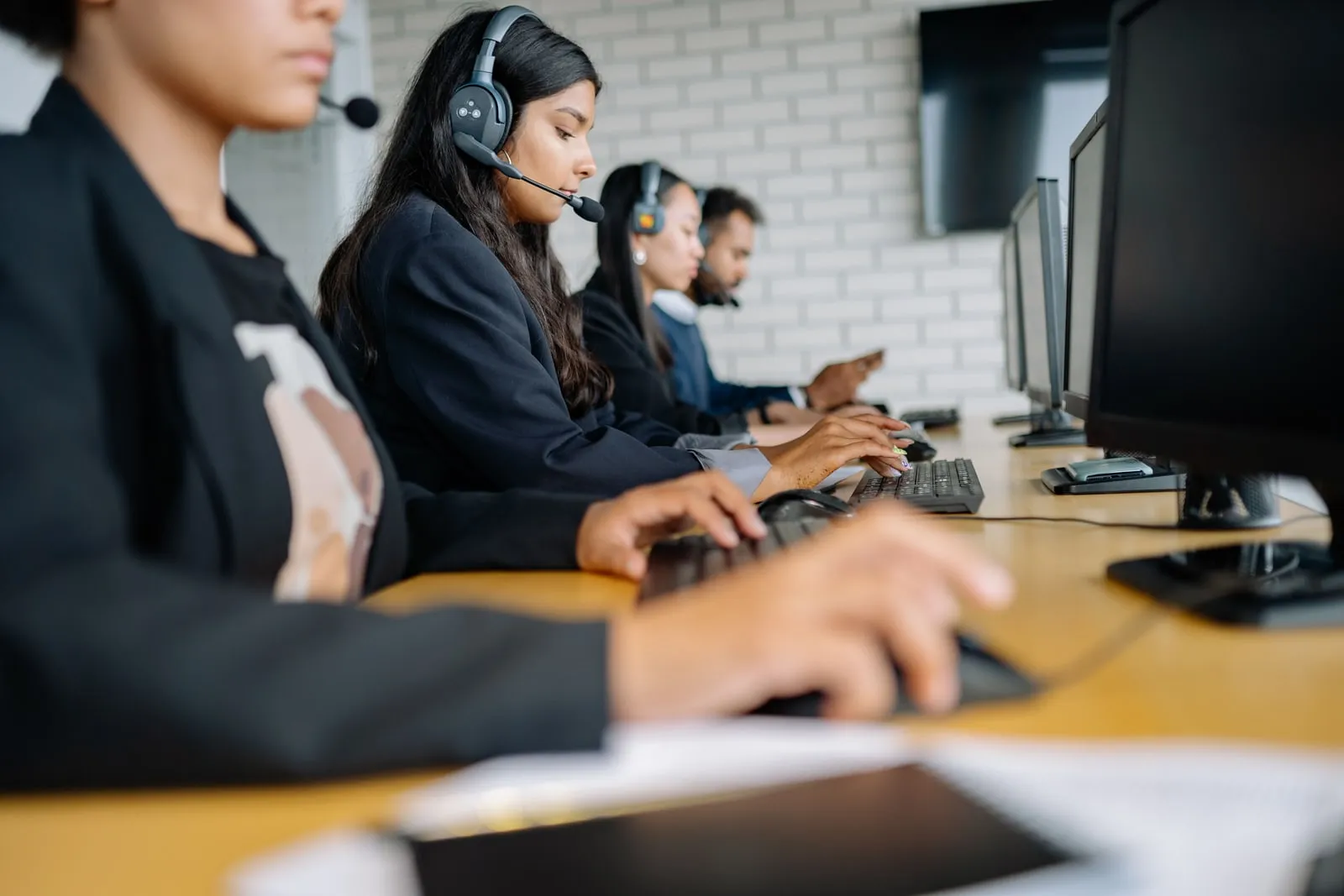
MAI-Transcribe-2 lists all of them, plus automatic language identification, keyword biasing and configurable output styles — a clean transcript with the fillers removed, or strict verbatim. Microsoft points the model at video captioning, meetings, clinical notes, call-centre documentation, accessibility tools and voice agents.
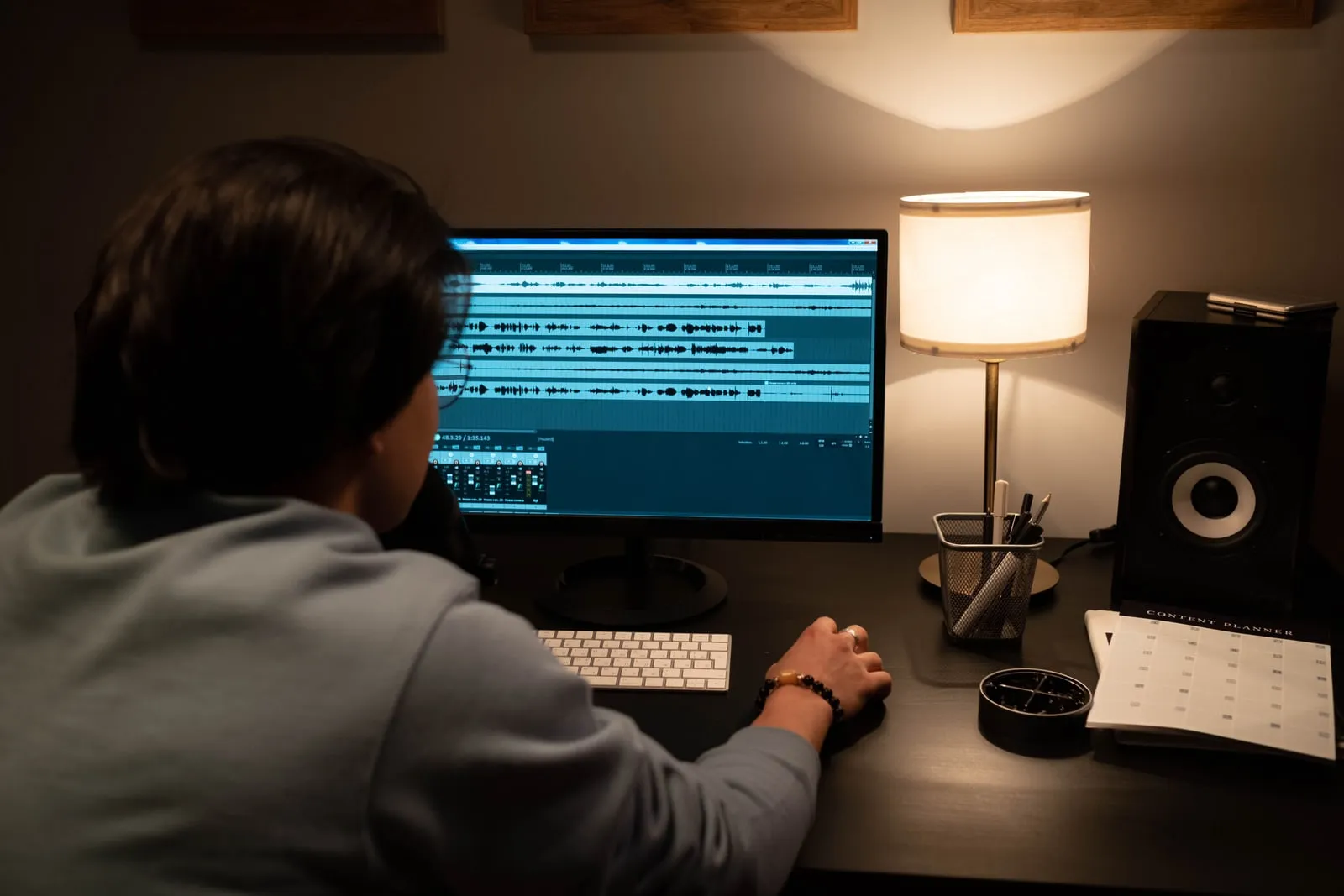
The voice-agent case is why the speed claims matter more than the accuracy ones. A conversational agent’s latency budget is spent mostly before the language model sees a word, and transcription is a large share of it.
What to watch next
Two things. What the price becomes in January, since $0.10 an hour is explicitly promotional and the rest of the market has to decide whether to follow a rate that may not persist. And whether independent evaluation on messy real-world audio — accents, overlapping speakers, telephone bandwidth — reproduces a 5.2% average word error rate, which read-speech benchmarks such as FLEURS are not designed to test.