Firmware for a $5 board, and an SDK for whatever you build
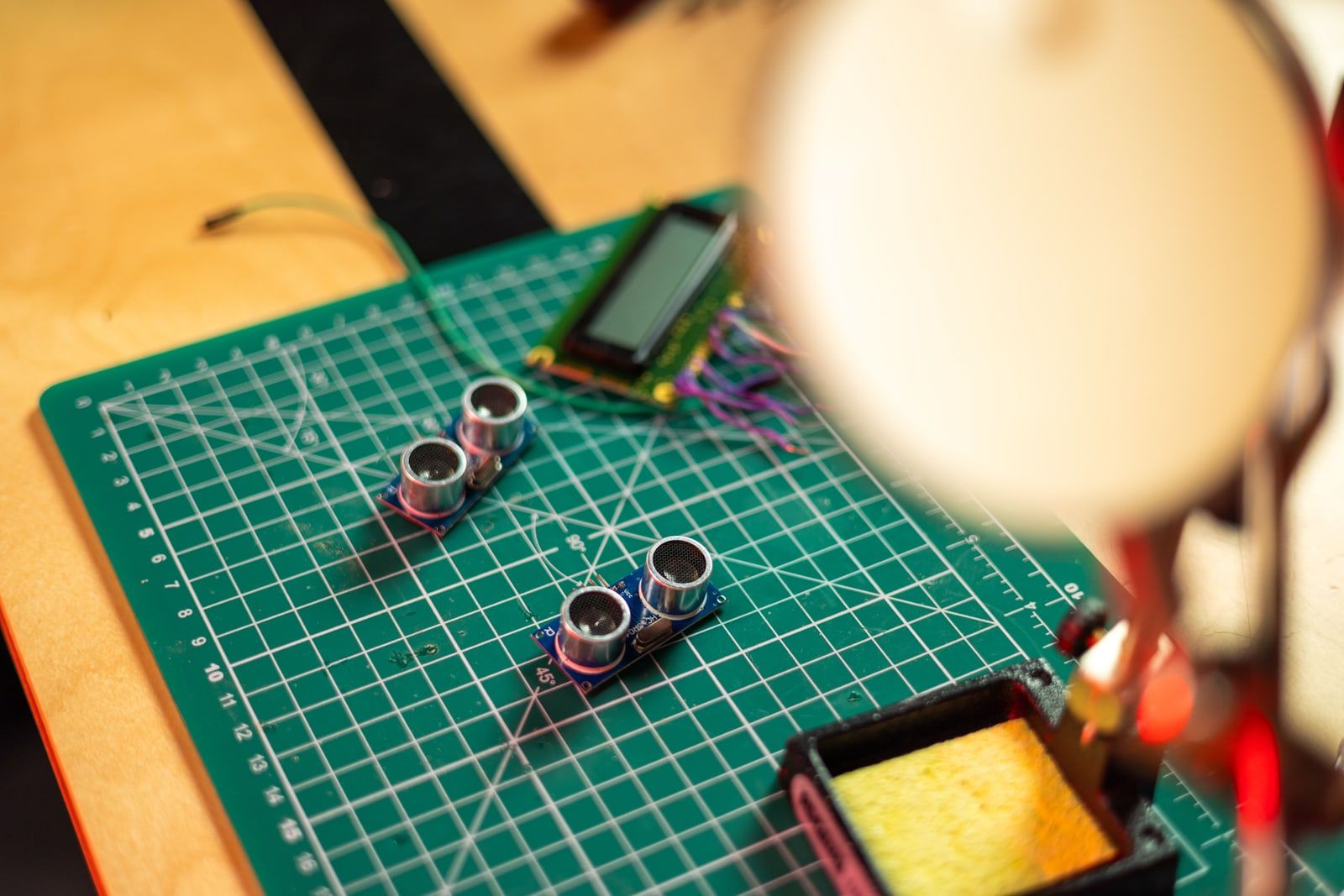
Meta has opened its Muse agent to hardware that Meta did not make. Under the name Muse Gadgets, the company published firmware for ESP32 boards and a Linux SDK that lets a custom device connect to Muse, both under the Apache 2.0 licence, along with a Discord channel for people building with them.
The company also made a device of its own. The Muse Home Link is described as a small USB-C gadget that connects Muse to a home network and lets it control televisions, speakers and anything else that exposes an HTTPS interface. Meta manufactured 5,000 units, says they ship within weeks, and is giving them to Muse subscribers free while supplies last.
The code lives in a GitHub repository under facebookincubator, with a separate site at gadgets.muse.ai.
Why give the hardware away
The ESP32 is the cheapest serious microcontroller a hobbyist can buy, which makes the choice of board the clearest statement of intent. Meta is not selling a product here; it is seeding a population of people who will attach Muse to things nobody at Meta thought of.
That has an obvious payoff. Apple and OpenAI are both building dedicated AI devices, and nobody yet knows what form factor people actually want. Meta’s own hardware record this year runs through smart glasses, a camera-free variant and a dedicated Muse gadget — a lot of guesses. Watching several thousand hobbyists decide what to build is a cheaper way to find out than shipping another device.
It also extends Muse’s reach without Meta having to negotiate anything. A Muse that can drive a television over HTTPS is a Muse inside a category Meta does not sell into, reached by handing out a dongle.
The part that is unresolved
Muse has had a difficult few weeks on exactly this axis. In late September, researchers showed that every Muse user has a full Ubuntu machine in the cloud, Meta patched a flaw that could have let an attacker reach another user’s Muse machine, and a Dutch optician chain pulled Meta’s smart glasses from sale over privacy concerns.
Muse Gadgets widens the surface again, deliberately. Firmware on a hobbyist board connecting a cloud agent to a home network is a configuration with no obvious security owner: not Meta, which did not build the device, and not the hobbyist, who did not build the agent.
What to watch is whether the SDK ships with any constraint on what a connected gadget may ask Muse to do, and whether the 5,000 Home Link units turn out to be a giveaway or the start of a product line.