What Google opened
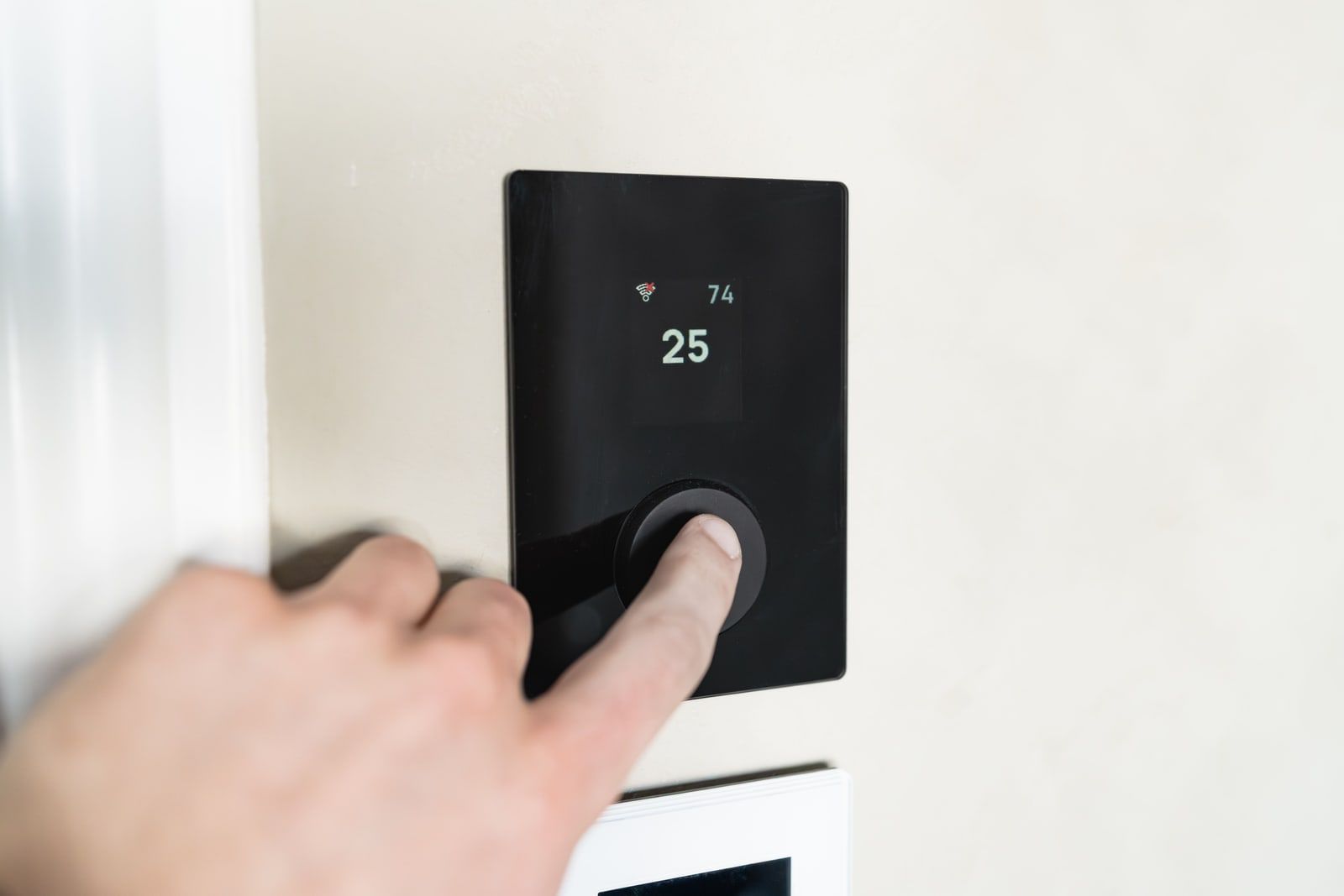
Google has opened early access to Home MCP, a server that connects Google Home to AI agents through the Model Context Protocol, the open standard for linking AI models to outside tools and data. According to Google’s developer documentation, the server lets agents inspect a home’s structure, monitor device states, carry out control actions and analyse past events.
Google’s MCP overview page describes four capabilities: getting the list of rooms and devices in a home, querying live device state such as connectivity, executing actions on devices, and querying past states and event logs to answer questions about what happened. Its example prompts include “Is my home secured?” and “What happened while I was out?”
Who can use it
Google lists an active Google Home Premium Advanced subscription as a requirement. TechCrunch reported that access is rolling out over the coming weeks to Premium Advanced subscribers in the US, the $20-a-month tier, and that Google would not say whether it would reach other tiers or countries.

Google’s overview page names Antigravity, OpenClaw and Claude as examples of personal agents, and its documentation gives setup instructions for Google Antigravity, Claude Cowork and OpenClaw. TechCrunch also listed Hermes and ChatGPT among agents that can connect, and Engadget included Hermes.
Developer-grade for now
Connecting an agent is not yet a consumer feature. Google’s instructions require creating a Google Cloud project, getting access approval, enabling the Home API and generating OAuth credentials, whose client ID and secret are then entered into the agent. According to TechCrunch, Home MCP works with devices across the Google Home ecosystem, including Nest doorbells and thermostats and Matter devices such as light bulbs.
Safeguards and limits
Google says Home MCP “enforces rate limits and safety protections, such as prohibiting sensitive actions like unlocking doors.” It also warns that, depending on the agent, connecting it can produce unexpected or undesired behaviour. Anyone connecting a home shared with others should tell household members that the agent can control devices and access home data, the documentation says, and an agent’s access can be revoked at any time from the Google Home app. Access to familiar-face data from Nest cameras needs separate, explicit consent from a manager of the home.
The documentation lists known limitations. Creating and managing automations is not supported yet, some experimental device traits may not work as expected, and responses can be slower than expected, which Google says it is working on. Engadget noted that experts have warned about security flaws in MCP, such as a lack of enforced authentication.
What to watch
Google says automations support is planned for a future release, and TechCrunch reported that the company is collecting feedback from early users through its Smart Home for Developers community. The other open question is whether Home MCP will move beyond the top subscription tier and the US.